
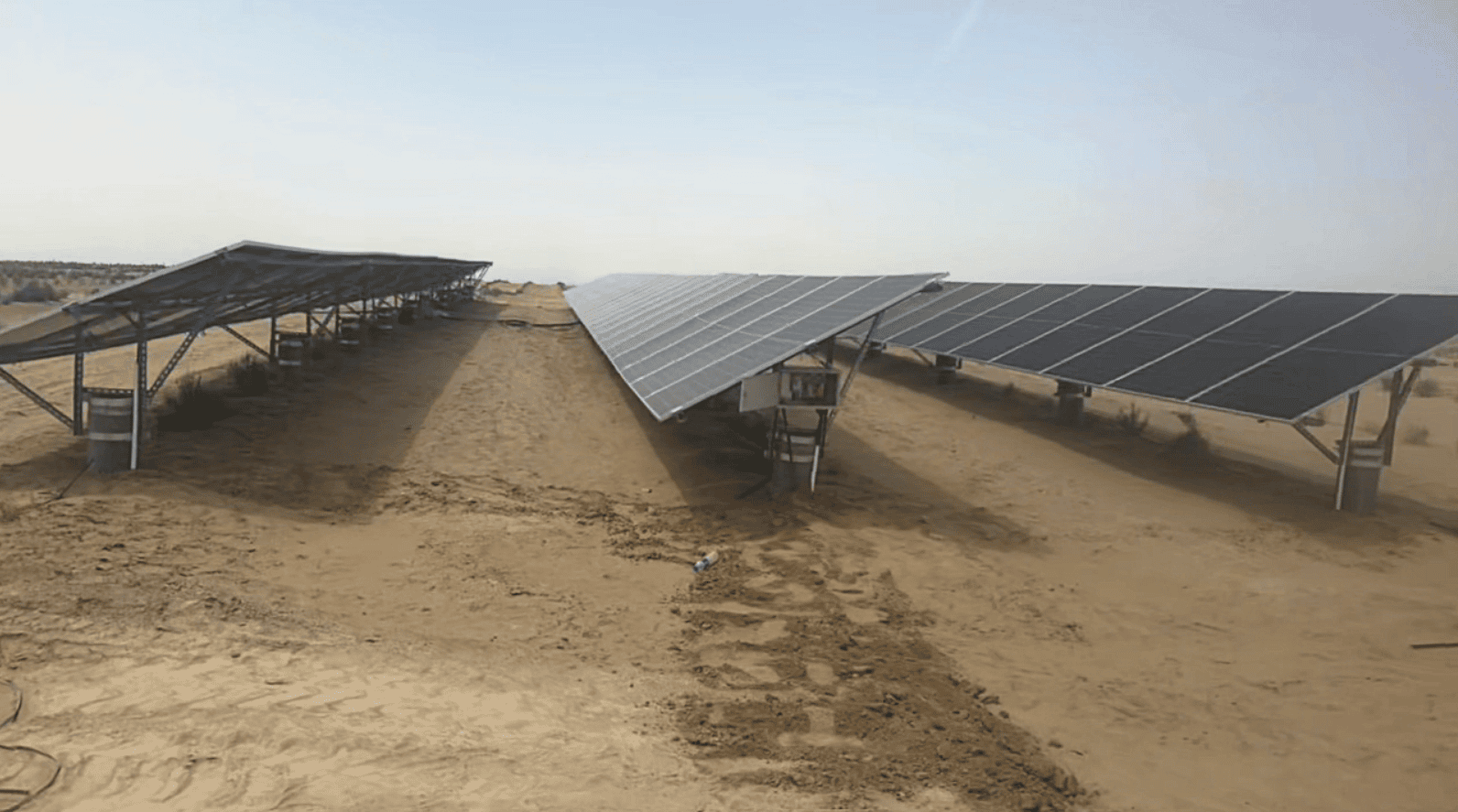
When a distributor or EPC team orders a solar pump inverter, “tested before shipment” sounds reassuring but is too vague to compare suppliers. A useful pre-shipment check should show what was tested, which project values were loaded, what documents were packed, and which checks still belong to the installer on site.
This checklist is a practical factory-acceptance starting point. It helps a buyer request evidence without treating a factory test as a substitute for correct wiring, grounding, PV string verification or hydraulic commissioning.
What a pre-shipment test should prove
A factory check should answer five questions:
- Is the unit the model, power class and order configuration that was agreed?
- Were the motor and PV values taken from the project documents rather than guessed from kW alone?
- Do the basic controls, protections and display functions respond as expected?
- Are the enclosure, terminals, labels and accessories complete and identifiable?
- Can the supplier provide a signed record that the buyer can match to the serial number?
It cannot prove that a particular well will deliver a target flow after installation. Hydraulic duty depends on the pump curve, total dynamic head, pipe route and site conditions. It also cannot replace local electrical safety checks.
Seven checks to put on the purchase order
1. Confirm the order identity
Record the model, rated power, input and output arrangement, serial number, enclosure option, accessories and customer label. Ask the supplier to show the same identifiers on the test sheet and packing photos. This prevents a correct test record being attached to the wrong carton.
2. Read the motor nameplate into the test record
The record should include motor power, rated voltage, phase, rated current, frequency, speed when available, pump type and cable length. Drive documentation from Schneider Electric uses motor nameplate voltage, current and frequency as setup values, so the test sheet should show the source of each value instead of saying only “7.5 kW motor.”
If the nameplate is unclear, keep the value as “to confirm” and ask for a readable photo. Do not let a factory operator fill the gap with a typical value.
3. Check the PV input plan
List the panel model, quantity, Voc, Vmp, array power and proposed string arrangement when those details are available. The supplier should state which values were used for the inverter setup and which are still pending from the installer.
This is a recordkeeping check, not a promise that every array will operate identically in the field. Temperature, shading, cable losses and the actual string wiring still need site verification.
4. Record protection and control settings
Ask for a parameter backup or parameter list covering motor data, start and stop logic, dry-run or water-level inputs when used, overload protection, restart behavior and fault history reset. The list should identify the firmware or parameter version if the supplier uses one.
Avoid accepting a generic screenshot with no model or serial number. A distributor needs to know which settings belong to which unit before sending it to an installer.
5. Run basic control and display checks
The supplier should record the checks that are possible on the factory bench: power-up, keypad or control input, display readings, start/stop command, frequency change, alarm indication and reset behavior. If a loaded pump run is not available, label the result clearly as a no-load or simulated check.
Do not turn “powers on” into “will deliver the required water.” A motor run needs the correct pump, protection, wiring and test conditions.
6. Inspect terminals, wiring and enclosure
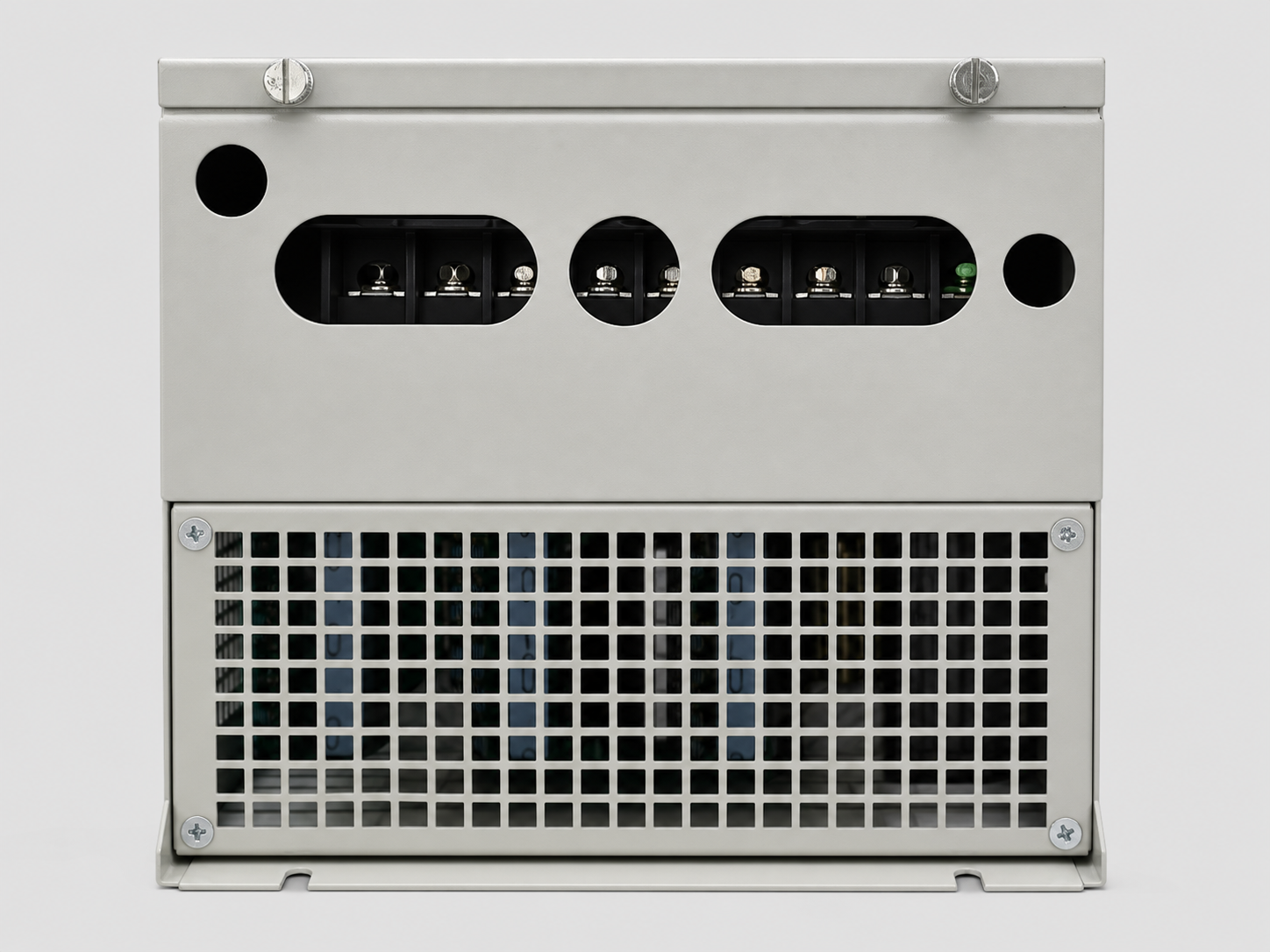
Request clear photos of the front label, terminals, grounding point, cable glands, fan or ventilation path, enclosure condition and included accessories. Check that the wiring diagram and terminal labels match the shipped configuration.
Outdoor installation still needs a suitable cabinet location, weather protection and local code compliance. An IP label alone does not validate the whole installation.
7. Match documents and serial numbers
The minimum document pack should include the test sheet, parameter backup or setup list, wiring diagram, current datasheet or manual, serial-number list and packing photos. For a repeat order, ask the supplier to highlight any parameter or label change from the previous batch.
Factory evidence and site acceptance are different
| Factory evidence before shipment | Installer or EPC checks on site |
|---|---|
| Model, serial number and order configuration | Received model and serial number match the purchase order |
| Motor and PV values loaded from approved documents | Actual nameplate, PV strings, polarity and open-circuit voltage |
| Bench control, display and alarm response | Insulation, grounding, cable termination and protective devices |
| Enclosure, labels and accessory inspection | Pump rotation, hydraulic duty, head, flow and water-level behavior |
| Test sheet, parameter backup and manuals | First start, fault-clear procedure and handover record |
Grundfos’ solar-pumping guidance treats location, daily water production and total dynamic head as sizing inputs. That is why a factory electrical test cannot replace field confirmation of water duty.
Copyable wording for a distributor purchase order
Supplier shall provide a serial-number-matched pre-shipment test record covering order configuration, motor nameplate values, available PV input data, programmed protection and control parameters, basic control/display/alarm checks, enclosure and accessory inspection, and the document pack. The record shall identify any test that was no-load, simulated or pending site commissioning. Factory testing does not waive the installer’s responsibility for local electrical, PV, grounding and hydraulic checks.
This wording gives both sides a shared definition. It also makes a missing test result visible instead of allowing “factory tested” to remain an unqualified promise.
Red flags before you approve shipment
- The supplier lists only motor kW and no voltage, phase or rated current.
- The test sheet has no model or serial number.
- “100% tested” appears without test conditions or result fields.
- The PV string plan is absent even though panels were part of the order.
- A screenshot shows settings but no parameter name, unit or version.
- A factory run is presented as proof of site flow or well performance.
- The document pack uses an old manual without confirming the current model.
If any item is unresolved, record the gap and a recovery date. A short delay for missing evidence is easier to manage than a shipment that creates a field troubleshooting case.
Where this checklist fits in the buying workflow
Start with the solar pump inverter quotation checklist when you are collecting pump and site data. After the model is selected, use this pre-shipment checklist to define the supplier’s evidence package. Once the equipment arrives, continue with the first-start commissioning checklist and the relevant SolarSeeker inverter product route.
For a project-specific review, send the pump nameplate, head, flow, cable distance, PV information and site location through the SolarSeeker contact page. The solar pump selection guide helps the team choose the next technical route.
FAQ
Is a factory test the same as commissioning?
No. A factory test checks the supplied unit under stated bench conditions. Commissioning verifies the actual PV array, wiring, grounding, pump rotation, water duty, protections and site conditions.
What is the most important value to record?
Record the motor nameplate values together: voltage, phase, rated current, frequency and power. Power alone is not enough to confirm the inverter setup.
Should a buyer require a full-load pump test?
Request the test that is practical for the order and state its conditions. If a full-load pump run is not available, the supplier should label the result as no-load or simulated and leave hydraulic acceptance to the site team.
What should a distributor keep for after-sales support?
Keep the serial-numbered test sheet, parameter backup, wiring diagram, current manual, packing photos and the installer’s commissioning record together. This gives support staff a traceable starting point when a fault is reported.