
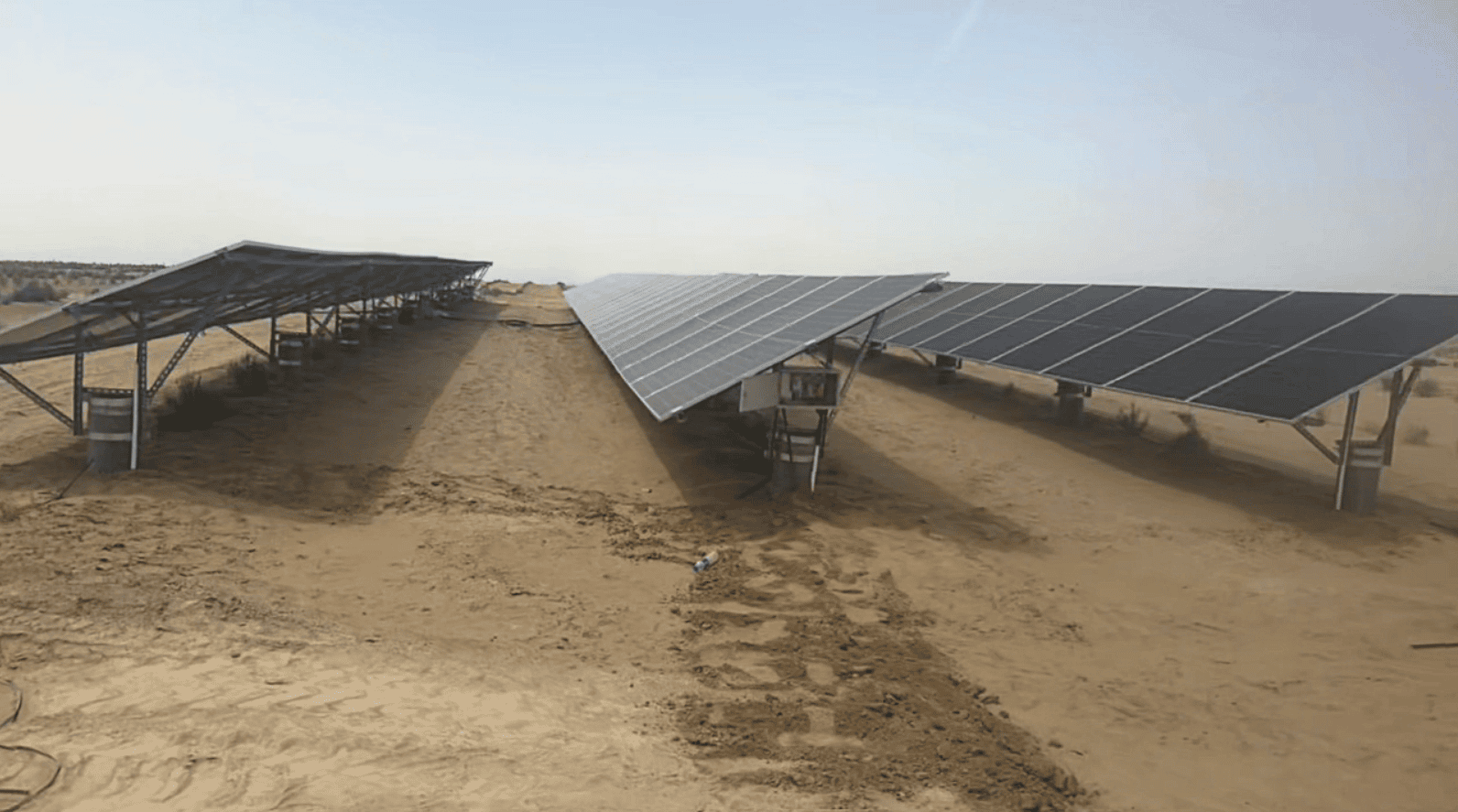
A distributor should stock around proven local pump nameplates, not around a universal voltage ratio.
There is no safe global rule that says a solar pump inverter distributor should hold a fixed percentage of 220V and 380V units. Start with the voltage, phase, power band and installation conditions shown on real local pump nameplates. Then keep each electrical family separate and use confirmed-order review for uncommon requests.
Base Your Inventory on Motor Nameplates, Not Supplier Catalogues
A warehouse can be full of inverters and still fail to serve the pump dealers calling that week. The usual cause is simple: somebody bought by kW only. A 5.5 kW request is incomplete until the team knows the pump voltage, phase, rated current and site conditions.
Before setting a stocking policy, collect a sample of accepted quotations, service calls and pump nameplates. Keep the source anonymous if needed. For each record, capture:
- Pump voltage and phase
- Rated power and rated current
- Pump type and application
- Whether grid support is required
- Indoor or outdoor controller location
- Whether the request was quoted, won, lost or delayed
This turns inventory from a supplier catalogue exercise into a local service decision.
Use a Four-Bucket Stocking Matrix
The first version of the matrix does not need exact quantities. It needs clear buckets and a rule for each one.
| Bucket | What belongs here | Stocking rule | What to confirm before release |
|---|---|---|---|
| 220V single-phase pump family | Repeated local nameplates for 220–240V single-phase pump motors | Consider a base range only after repeat quote evidence | Motor current, pump power, PV plan and enclosure location |
| 220V three-phase pump family | Local 220–240V three-phase pump requests, including phase-conversion cases | Keep separate from single-phase output units | Input supply, motor phase, current and control requirement |
| 380V three-phase pump family | Repeated 380–440V three-phase irrigation, well or higher-power requests | Build around proven project bands, not a broad catalogue | Pump nameplate, duty, cable route, PV string and installation environment |
| Confirmed-order / exception route | Unusual power, enclosure, control, documentation or site requirements | Do not make it routine stock until the pattern repeats | Exact model, electrical family, variant, accessories and delivery requirement |
The important point is not which bucket is larger. It is that a 220V single-phase pump, a 220V three-phase pump and a 380V three-phase pump are different matching jobs. One voltage label cannot replace the phase check.
Keep Voltage and Phase Separate
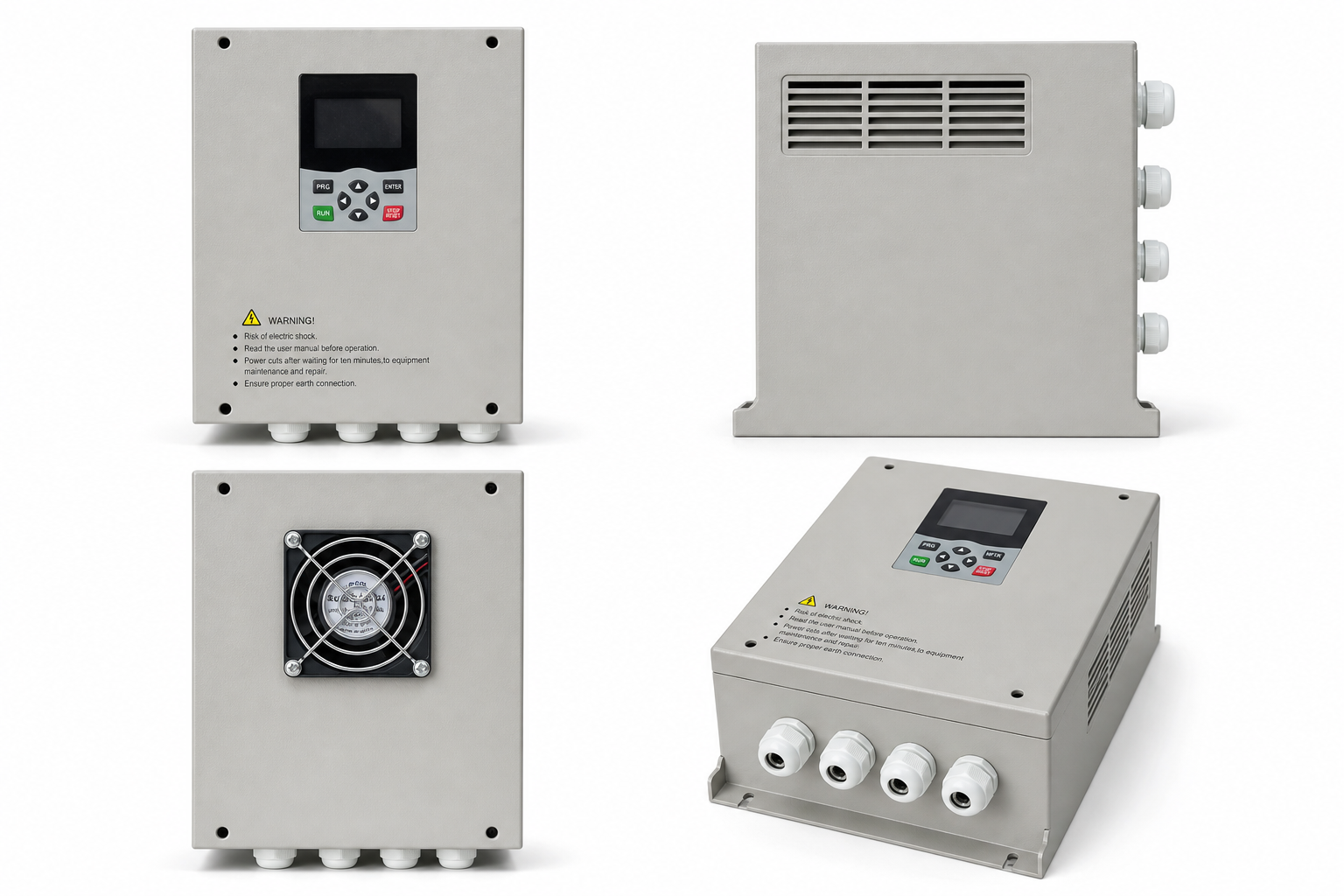
Solarseeker’s current product families show why this matters. The SP1 route is for 220–240V single-phase pump systems. The SP2 route covers a 220–240V single-phase input path with 220–240V three-phase pump output. The SP3 route is for 220–240V three-phase pump systems. The SP4 route is for 380–440V three-phase pump systems.
That does not mean every distributor should carry every model. It means the buyer must not use “220V” as a shortcut for the motor and supply arrangement. A wrong phase match can create a commissioning delay, a field callback and an avoidable return discussion.
For an outdoor location, treat enclosure protection as another decision. Do not assume every standard unit is suitable for every exposed installation. Confirm the exact platform and environment before quoting it as an outdoor solution.
Review Thirty Real Quotes Before You Change the Mix
Use a small, repeatable review instead of reacting to one large inquiry. After around 30 relevant quotations or technical requests, sort them by electrical family and outcome.
| Review question | What it tells the distributor |
|---|---|
| Which voltage-and-phase family appears repeatedly? | Which family may deserve a base stock position |
| Which requests were lost because of model availability? | Whether a specific family needs faster access |
| Which units caused setup questions or returns? | Where training, documents or a confirmed-order rule is safer than extra inventory |
| Which applications require outdoor protection? | Whether an enclosure option belongs in the local support plan |
| Which power bands repeat after nameplate checks? | Which narrow bands may be worth reviewing for stock |
Thirty is a working checkpoint, not a universal statistical threshold. If the sample contains only one contractor or one tender, keep the conclusion provisional. The next review should include actual purchase orders, not inquiry volume alone.
A Practical Distributor Scenario
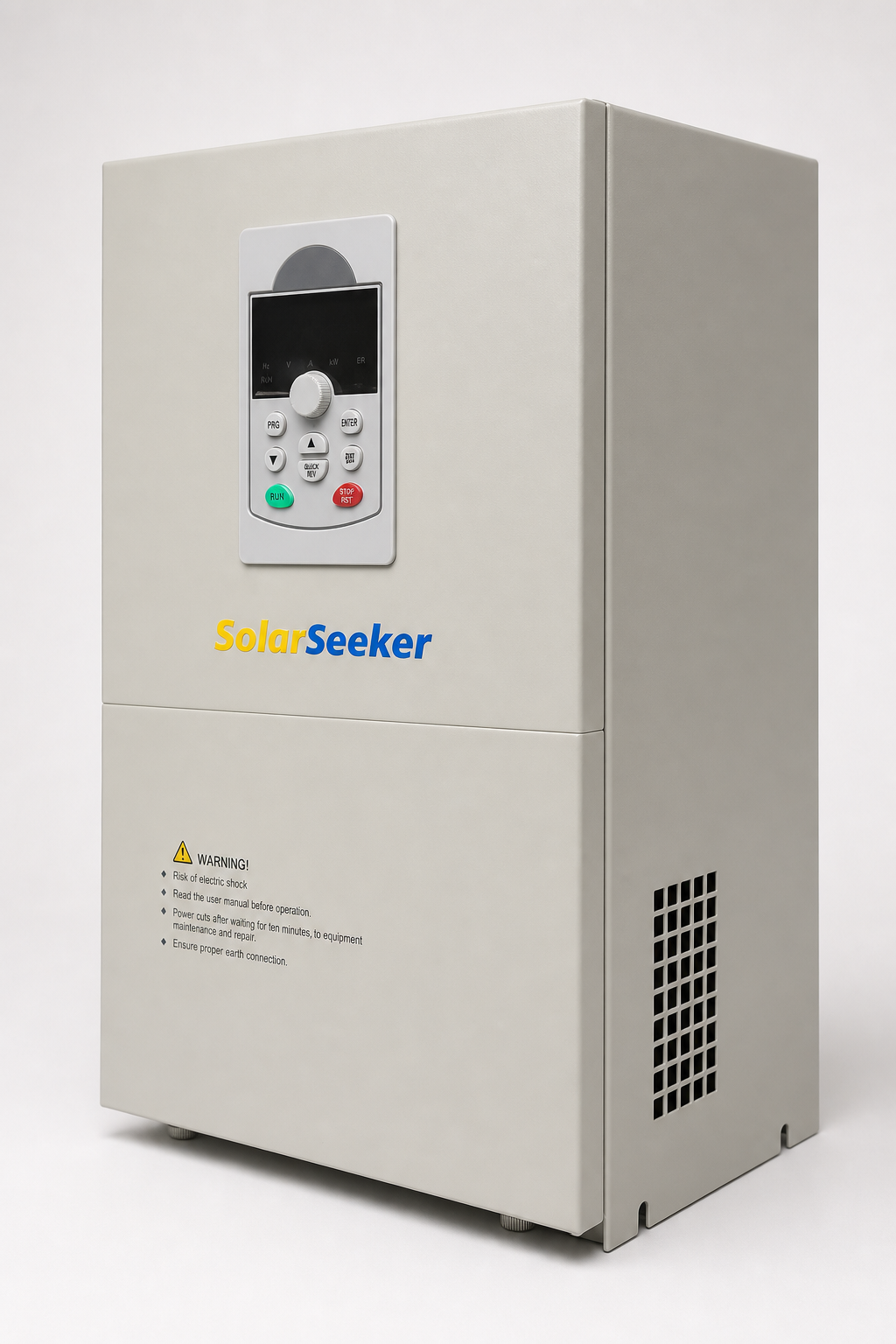
Imagine a pump dealer that receives many small-well and farm requests. The team sees several 220–240V single-phase pump nameplates, a smaller group of 220–240V three-phase requests, and occasional 380–440V projects from irrigation contractors.
The safe first move is not to fill every shelf. The dealer can define a base review for the recurring 220V families, create a named process for 380V three-phase project checks, and keep outdoor-enclosure and uncommon-power requests in the confirmed-order bucket. Each request still goes through a nameplate check.
This approach leaves room for growth without telling the sales team that a larger motor always means a 380V stock unit. Voltage, phase, current and field conditions decide the route.
What Not to Stock by Assumption
- Do not use another country’s catalogue as proof of local demand.
- Do not stock by kW without voltage, phase and rated-current evidence.
- Do not treat a one-off tender as a recurring channel pattern.
- Do not promise an IP rating, accessory or control option without the exact variant check.
- Do not turn an inquiry count into a purchase forecast.
- Do not substitute a generic inverter for a pump-specific matching review.
The Solarseeker solar pump inverter hub is the right route for comparing project paths. Use the site’s solar-pump selection guide when a request needs a full pump-and-site review rather than a stock decision.
Before You Buy the Next Batch
Ask the sales and service teams for 20–30 anonymized pump nameplates, including voltage, phase, rated current and pump power. Add the common application, outdoor or indoor location, and the result of each quote. Solarseeker can then help turn that evidence into a practical stocking matrix and model-check process. For a project review, send the pump nameplate, head, flow, PV plan and site conditions through the contact page.