
Applications / Deep Well Water Supply
Deep Well Solar Pumping System for Reliable Water Supply
A deep well water project is not only a pump purchase. For a solar water pump for deep well applications, the PV array, solar pump inverter, submersible pump, protection cabinet and field wiring must be matched as one system.
For a well-matched solar-powered deep well system, the inverter works as the control center while the pump, PV array, cabinet and sensors are selected around the actual well depth, voltage and project environment.
PV
Solar Power Input
MPPT
Inverter Control
220V/380V
Pump Matching
Field
Cabinet and Sensors
System Flow
How a deep well solar pumping system works
In a deep well application, water demand decides the pump. The pump decides the inverter. The inverter decides the PV string, cabinet protection and commissioning work.
Step 1
PV array produces DC power
Solar panels are wired in series and parallel to reach the inverter’s MPPT voltage range.
Step 2
Inverter converts and controls
The solar pump inverter converts DC to controlled AC output and adjusts pump speed as sunlight changes.
Step 3
Submersible pump lifts water
The pump must match total head, flow, voltage, phase and rated current, not only HP or pipe diameter.
Step 4
Protection keeps it running
Dry-run, overload, under-voltage, over-temperature and sensor logic protect the pump and inverter.
Step 5
Water goes to tank or network
Water can be stored in a tank, sent to irrigation lines, or supplied to village and farm distribution points.
Inverter Role
The inverter is the control center of a deep well solar pump system
Deep wells put more stress on the drive than shallow water sources. The motor starts under load, cable distance is often long, and the pump may run for many hours in heat, dust or humidity.
A correct inverter does three jobs at the same time: it tracks solar power, protects the motor, and keeps water output stable enough for the application. This is why we always confirm the pump nameplate before choosing SP1, SP3, SP4 or a protected controller path.
MPPT keeps the pump moving
The inverter tracks available PV power and adjusts motor frequency instead of forcing hard starts when clouds pass.
Voltage and phase must match
A 380V three-phase deep well pump normally points to SP4. A smaller 220V pump may fit SP1 or SP3.
Fault codes reduce downtime
Under-voltage, dry-run and overload codes help installers find whether the issue is PV input, water source or pump load.
Cabinet protects the field build
Outdoor deep well sites often need a cabinet for breakers, terminals, cable glands, sensors and cleaner maintenance.
Selection Path
Choose the system path by pump voltage, head and site conditions
We use this table before quoting a deep well solar pumping system. It keeps broad requests like deep well pump, solar deep well water supply and off-grid water pumping tied to real engineering data.
| Project Situation | What We Check | Recommended SolarSeeker Path | Open Page |
|---|---|---|---|
| Small or medium 220V well | 220V pump, moderate head, home or small farm demand | SP1 for single-phase pump, SP3 for 220V three-phase pump | 220V options |
| Deep 380V well pump | 380V three-phase motor, high head, longer cable and larger flow | SP4 380V three-phase solar pump inverter | SP4 |
| Existing pump needs matching | Nameplate, voltage, phase, rated current, head and flow | SolarSeeker selects inverter, controller or cabinet by actual pump data | Product catalog |
| Harsh outdoor well site | Dust, salt fog, humidity, heat, access distance and protection level | SP4 with cabinet, or SP6 protected controller path when required | Cabinet |
| Existing system needs component matching | Pump data, inverter, PV plan, sensors, cable and protection needs | Inverter/cabinet path plus pump, PV and accessory matching guidance | System design |
System Components
What to verify in a deep well solar pumping system
A reliable deep well project is built from matched parts. If one layer is guessed, the whole system becomes harder to install and support.
Solar Pump Inverter
The core drive that controls motor speed, tracks solar input and protects the deep well pump.
View catalog
Submersible Well Pump
Selected by well depth, total head, flow, diameter, voltage, phase and rated current.
Select pump
Control Cabinet
Protects wiring, breakers, terminals and control components in exposed outdoor sites.
View cabinet
PV and Field Accessories
Panels, sensors, connectors, cable glands, spare parts and field accessories should be verified against the pump and site design.
Check system design
Field Conditions
Deep well projects change by region, but the system logic stays the same
We keep the inverter, pump and protection plan tied to the real site: climate, water depth, power level, maintenance access and installation environment.
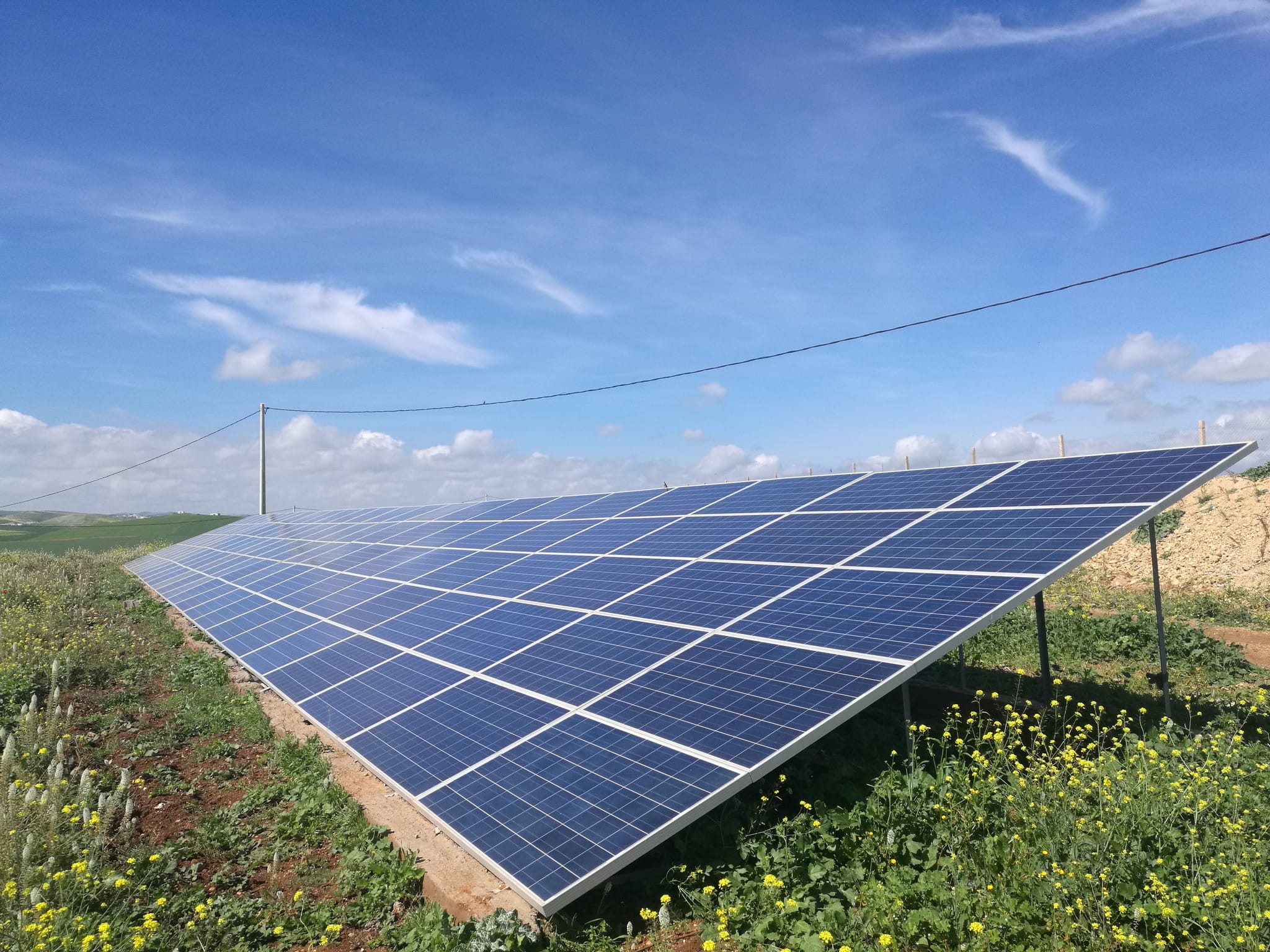
Middle East and Desert Sites
High temperature, dust and deep water sources often point to SP4 plus cabinet protection.
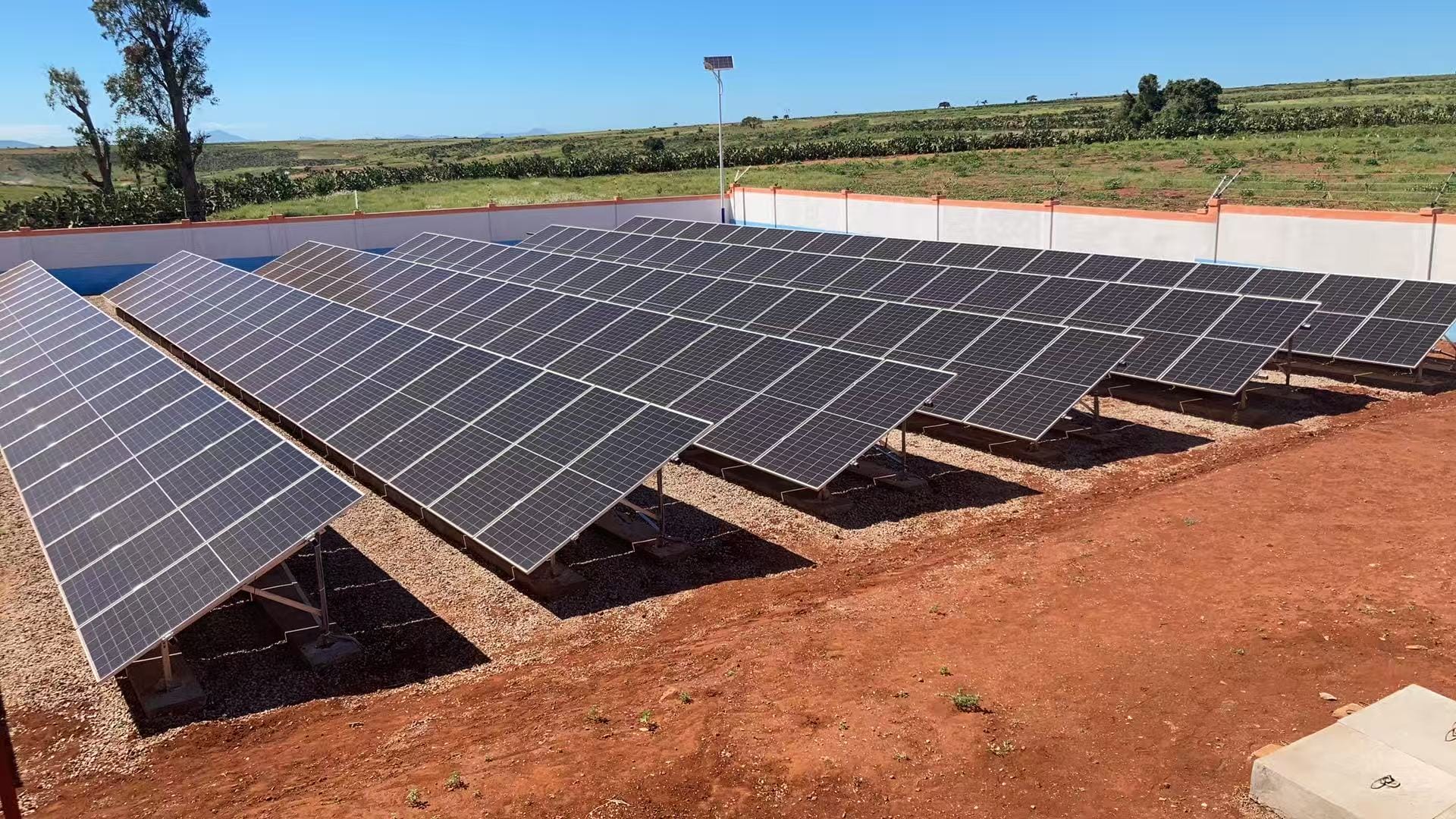
Africa Off-Grid Supply
Remote wells need simple commissioning, stable fault diagnosis and a clear accessory checklist.
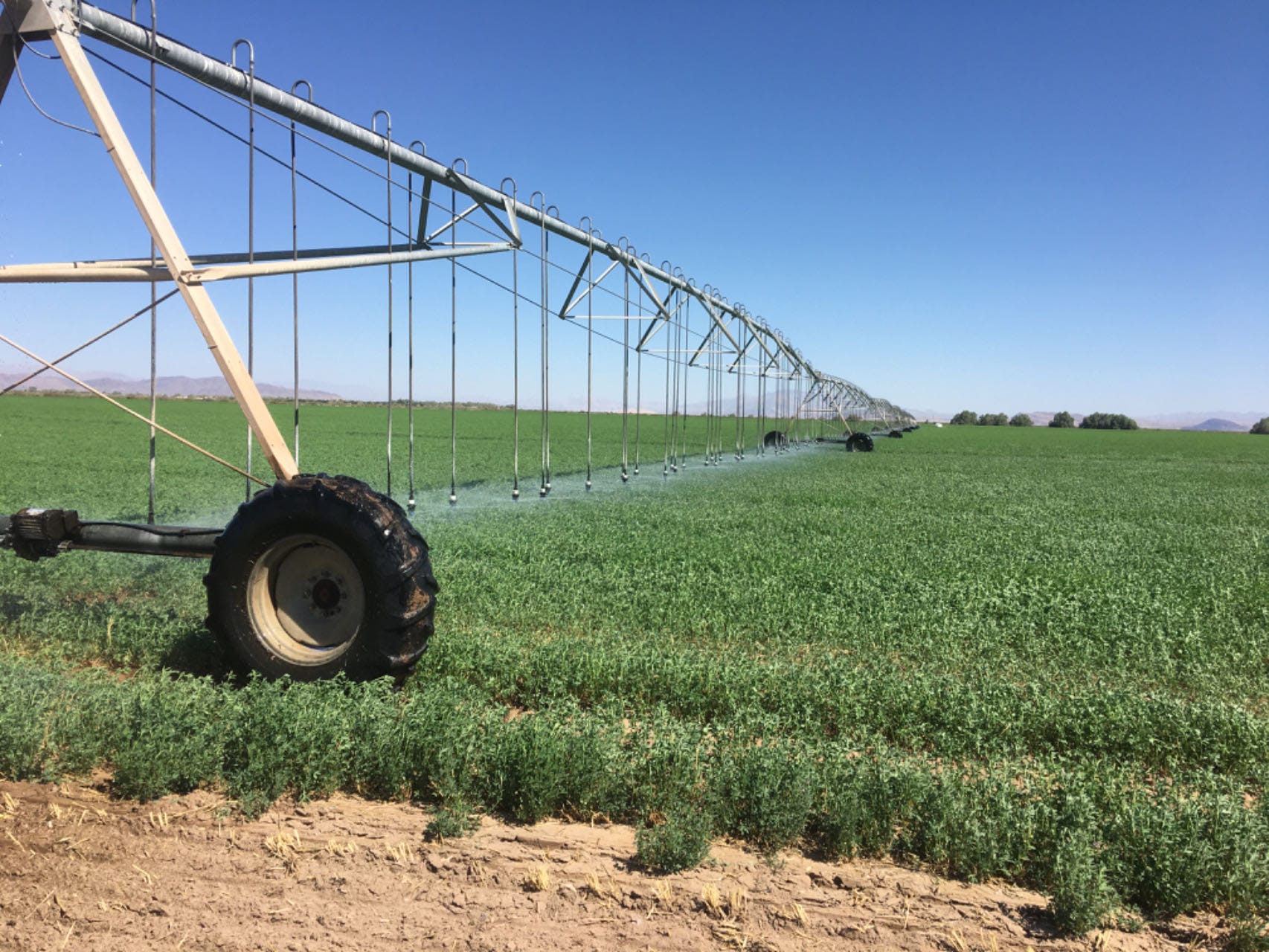
South America Farm Wells
Farm water supply and irrigation usually need flow, head and daily water volume checked together.
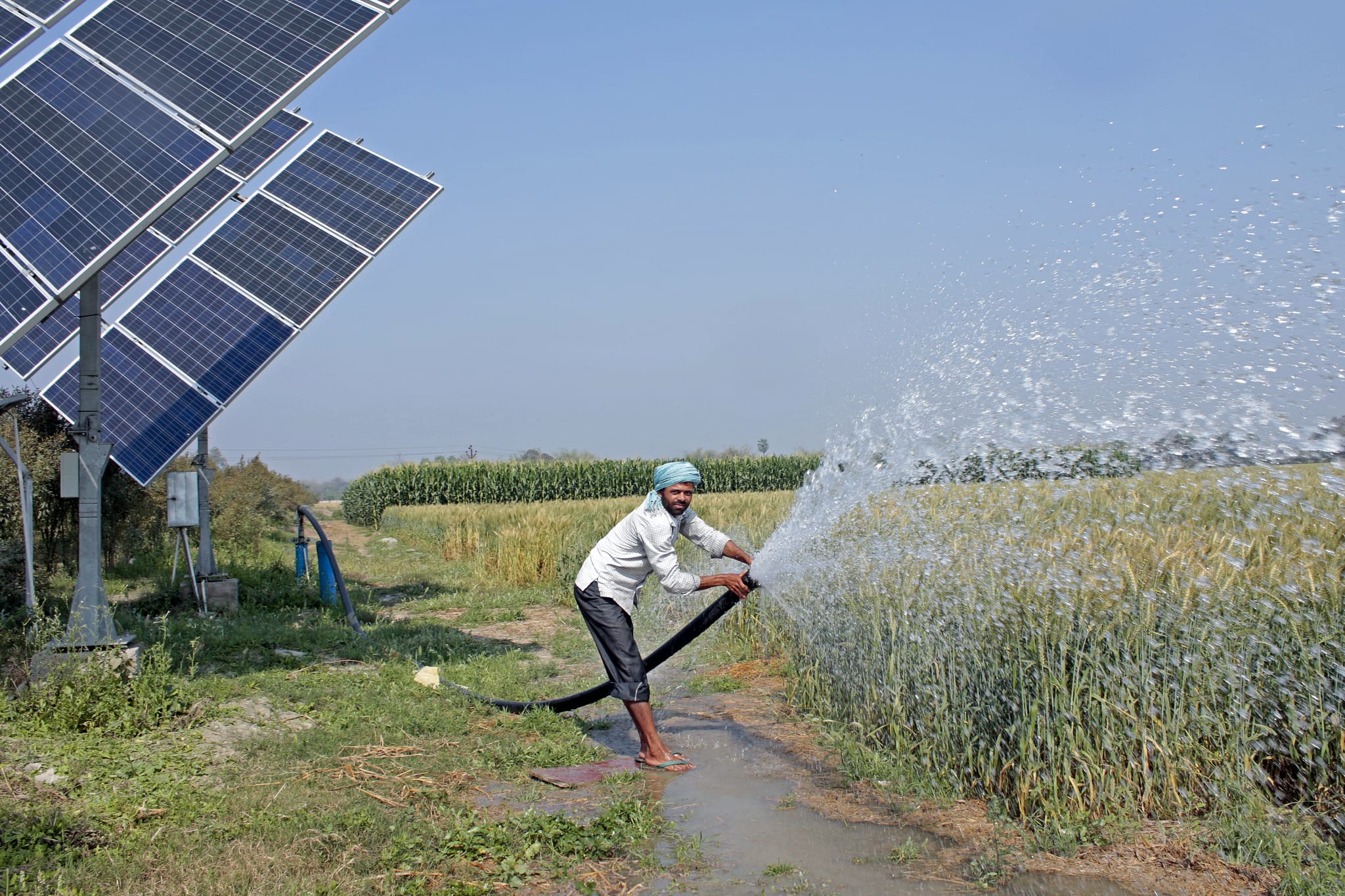
Southeast Asia Wells
Humidity, local voltage, cable distance and service access shape the inverter and cabinet choice.
Project Proof
Deep well and water supply cases from SolarSeeker projects
These cases show how the inverter, pump, PV array and field equipment come together in real installations.
SP4011
5.5kW Pump
Submersible well pump powered by SP4011
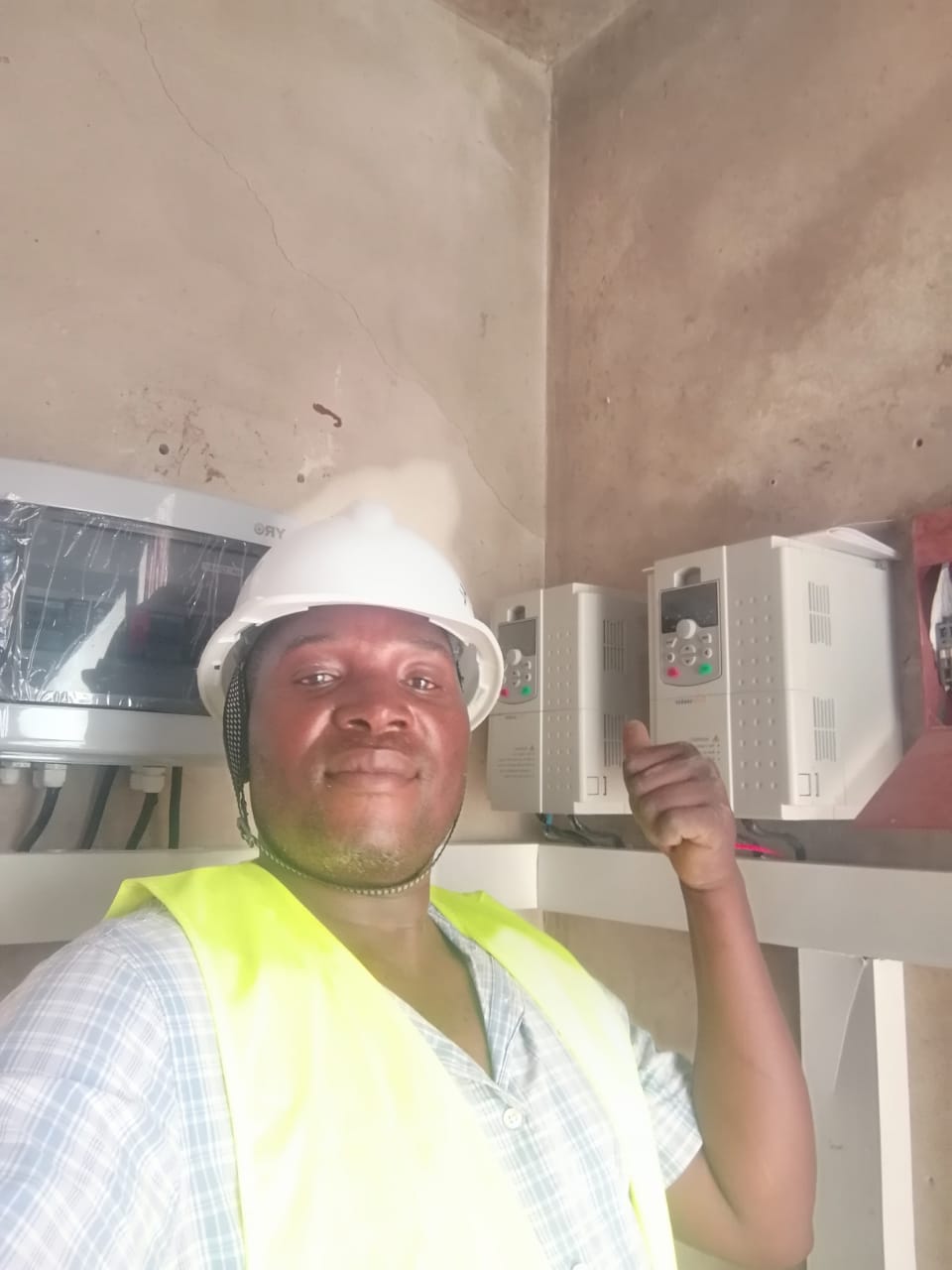
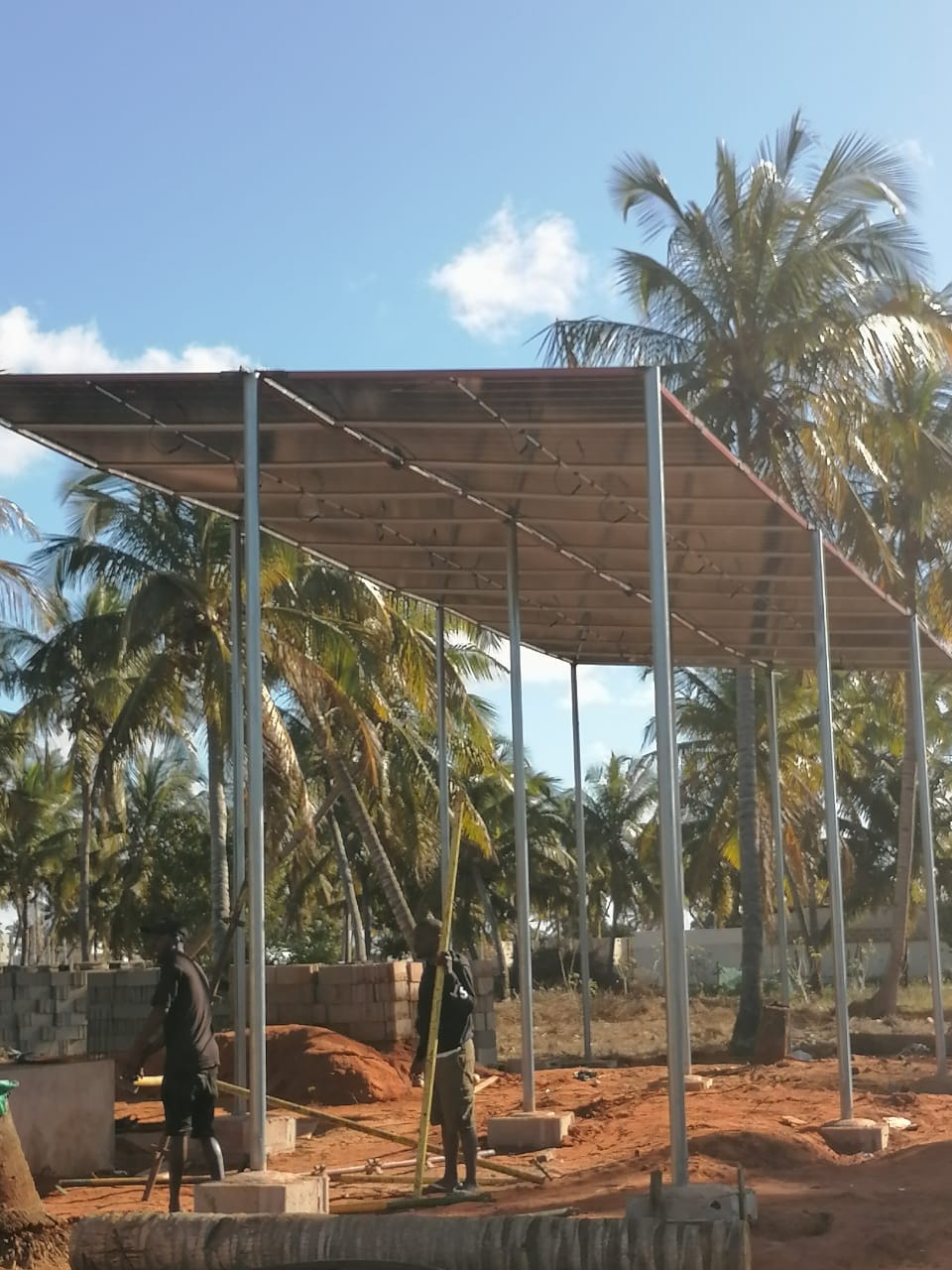
The Mozambique project uses an SP4011 inverter with a 5.5kW submersible pump and 26 x 550W panels. The PV array is arranged as 13 panels in series across two parallel strings.
Community Supply
84 Panels
Remote community water supply package
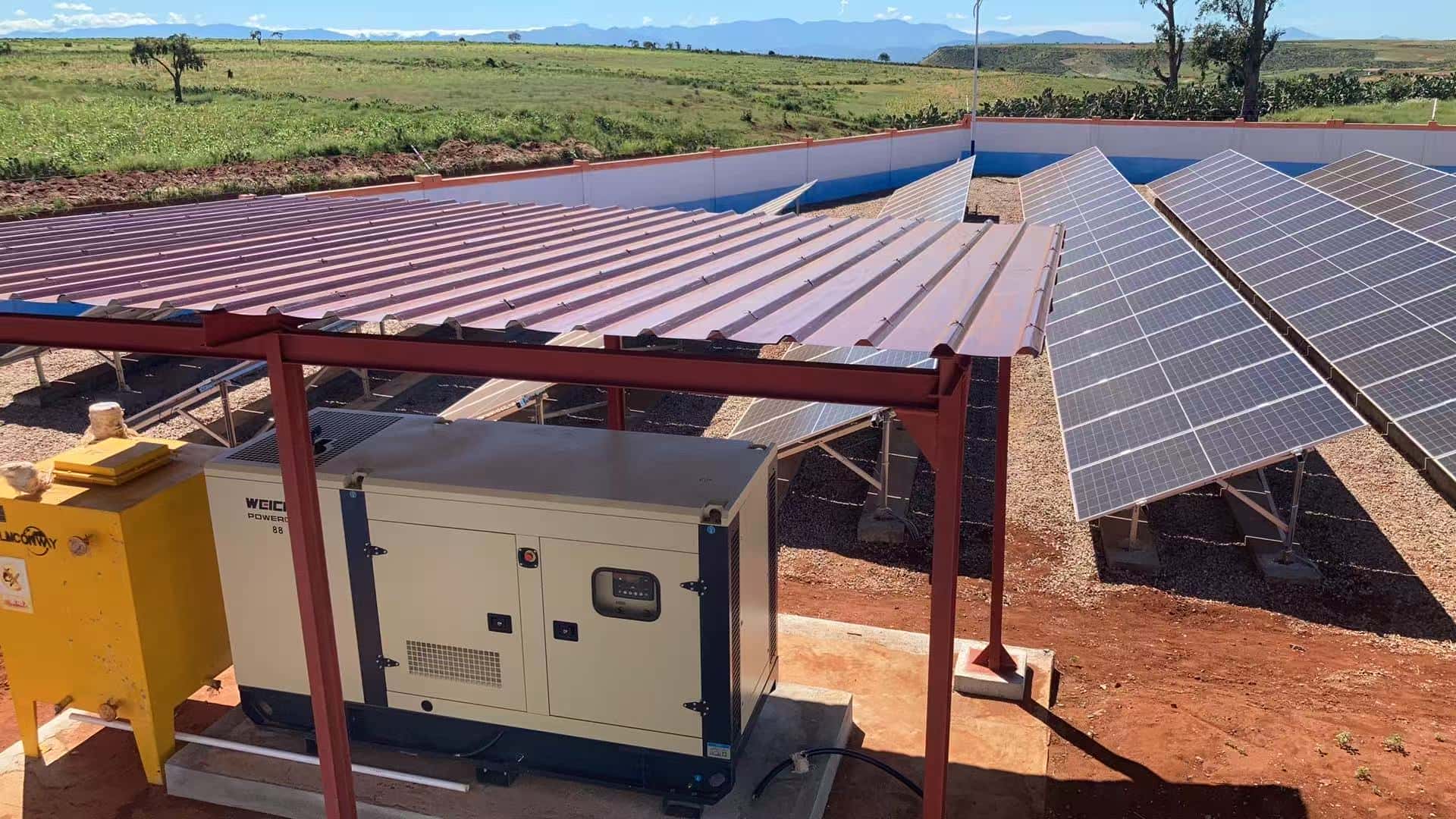
The Madagascar project uses a 30HP pump system, 84 x 585W solar panels and SolarSeeker control cabinets to lift water for treatment and community distribution.
SP4005
Desert Edge
Hot and dusty pumping site near Erfoud
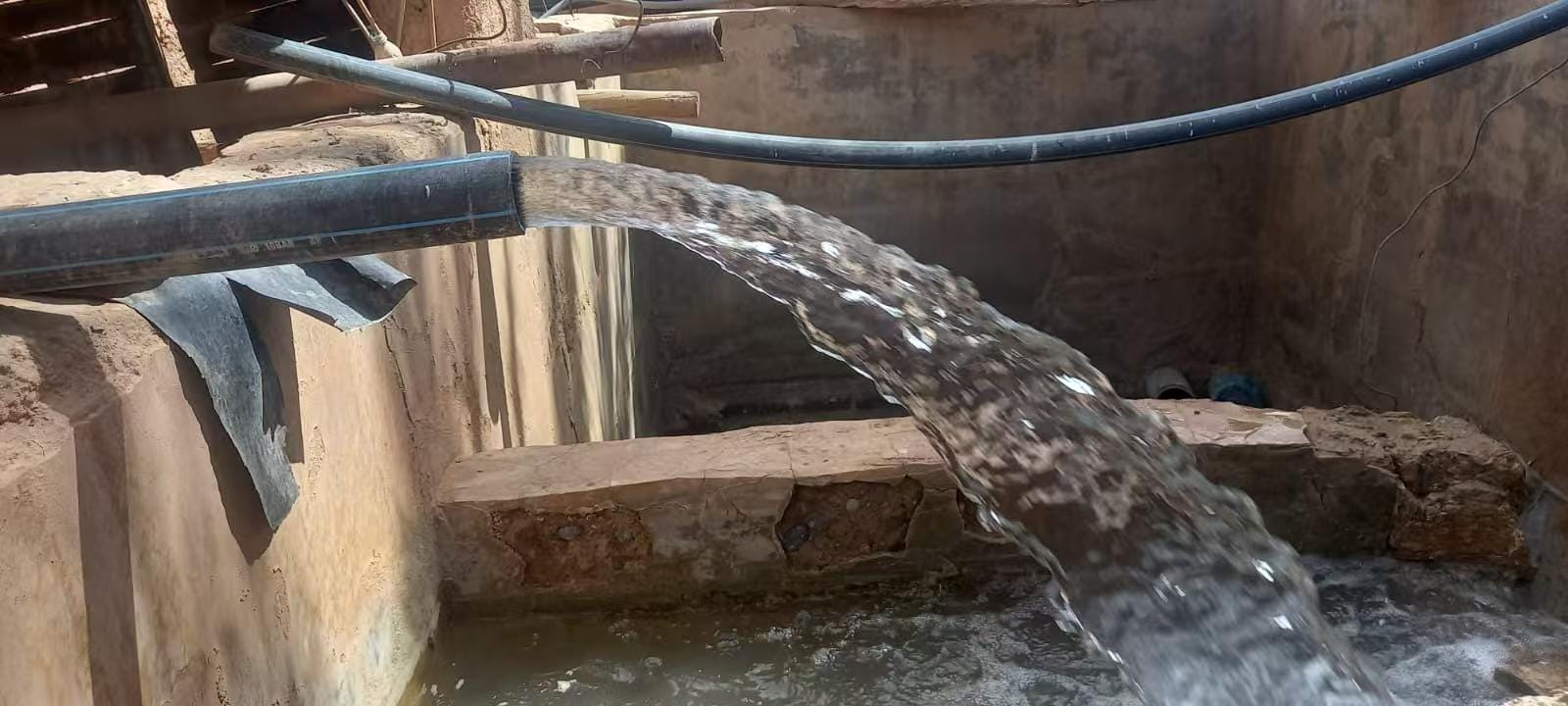
The Erfoud, Morocco case pairs SP4005 with a 4kW three-phase pump and 16 PV panels. It is a useful reference for arid regions where heat and dust are part of daily operation.
High-Power Reference
For very large pumping loads, use SP4 and cabinet planning together
The Paraguay 200kW irrigation project is not a typical well system, but it shows why high-power pump loads need inverter sizing, cabinet wiring and field protection to be planned together.
Before Quotation
Send the well and pump data before choosing the inverter
Deep well mistakes usually start from missing data. A pump nameplate photo is the fastest starting point, but well depth, head and flow make the recommendation much more accurate.
Pump Nameplate
Voltage, phase, kW or HP, rated current and frequency.
Well Data
Static water level, dynamic level, total head and pipe distance.
Water Demand
Required flow rate, daily water volume and operating hours.
Site Conditions
Country, sunlight, cable distance, dust, salt fog, humidity and cabinet needs.
Engineer Review
We can check the deep well system design before you order parts
Send the nameplate and well data. We will confirm the inverter path, pump match, PV array direction and whether the site needs a cabinet or accessory checklist.
SP1, SP3 or SP4 inverter recommendation
PV array and MPPT voltage check
Cabinet, sensor and accessory checklist
Direct path to product catalog and model pages
FAQ
Deep well solar pumping system FAQ
Common questions we answer before recommending a solar pump inverter for a well project.
What is a deep well solar pumping system?
It is a water supply system where solar panels power an inverter or controller, and the inverter drives a submersible pump to lift water from a deep well to a tank, irrigation line or distribution network.
Why is the inverter so important in a deep well application?
The inverter controls pump speed, tracks available solar power, protects the motor and reports faults. For deep wells, this control is essential because head, cable length and long running hours create higher stress on the pump.
When should we use a 380V inverter for a deep well pump?
Use a 380V solar pump inverter when the pump motor is 380V three phase, when the well requires high head or high flow, or when the project is closer to commercial, irrigation or industrial water supply.
Can SolarSeeker help match the pump, inverter and PV array together?
Yes. We can review pump nameplate data, well depth, flow, head, cable distance, site country and panel plan, then recommend the inverter path and the pump/PV/cabinet matching requirements.
Do deep well solar pump systems need batteries?
Most systems do not need batteries. A common design is to pump water during sunlight hours and store water in a tank. Batteries are only considered when the site needs night operation or special backup.
What should we send to get a recommendation?
Send a pump nameplate photo, well depth, total head, flow demand, daily operating hours, cable distance, site country, and whether the system will be installed indoors, outdoors, in dust, humidity or coastal air.
Next Step
Planning a deep well water supply project?
Send your pump nameplate and well data. SolarSeeker will help confirm the right inverter and the pump, PV array, cabinet and field-accessory requirements before the project moves forward.