
220V Solar Pump Inverter for Single Phase and Three Phase Pumps
For a 220V pump project, the inverter choice starts with the motor nameplate. If the pump is 220V single phase, choose SP1. If the pump is 220V three phase, choose SP3.
This keeps small wells, farm irrigation, livestock water, village supply, and commercial 220V pumping systems on the right path before panels, cables, or cabinets are quoted.
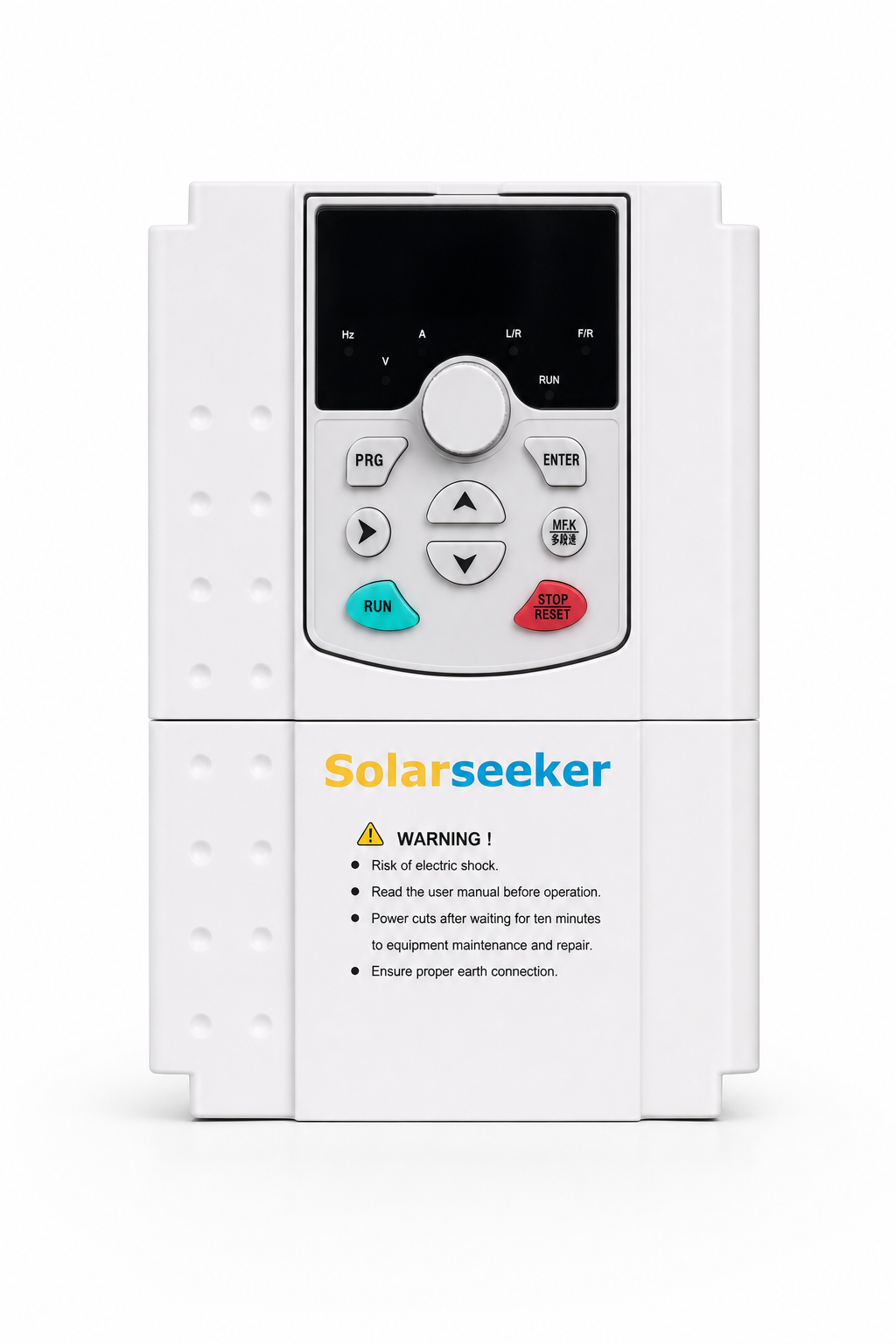
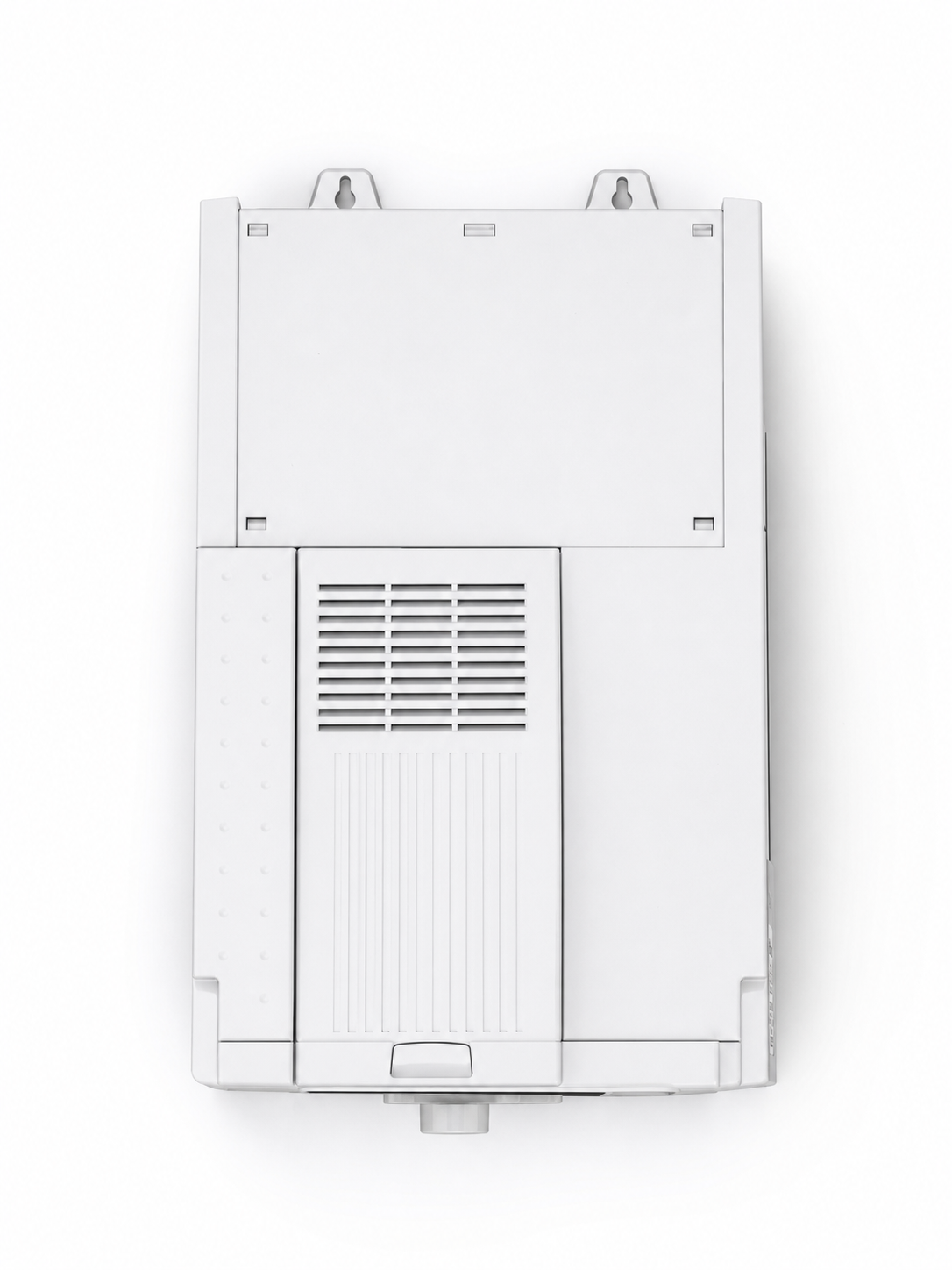
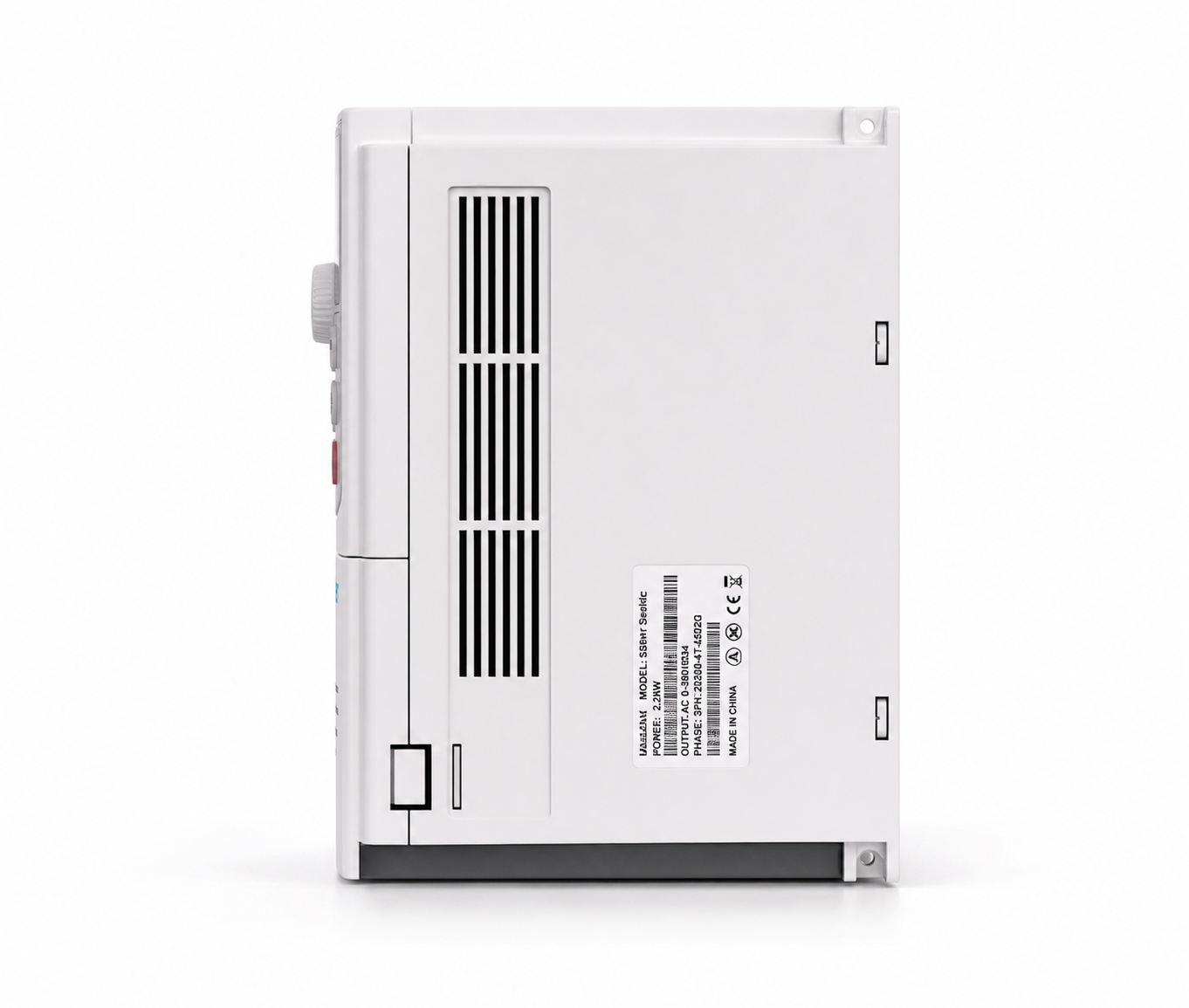
Start With The Pump
Choose SP1 or SP3 by the pump motor phase
Before discussing panel count or well depth, check the phase printed on the pump. A 220V single phase pump normally uses SP1. A 220V three phase pump normally uses SP3.
SP1 220V Single Phase Solar Pump Inverter
Choose SP1 when the pump nameplate shows 220V single phase. It fits residential wells, garden irrigation, small farms, livestock water, village water supply, and dealer-ready pump kits.
- 0.4kW to 5.5kW SP1 model range
- Simplified interface with fewer complex parameters
- Start waiting function for weak-sun mornings
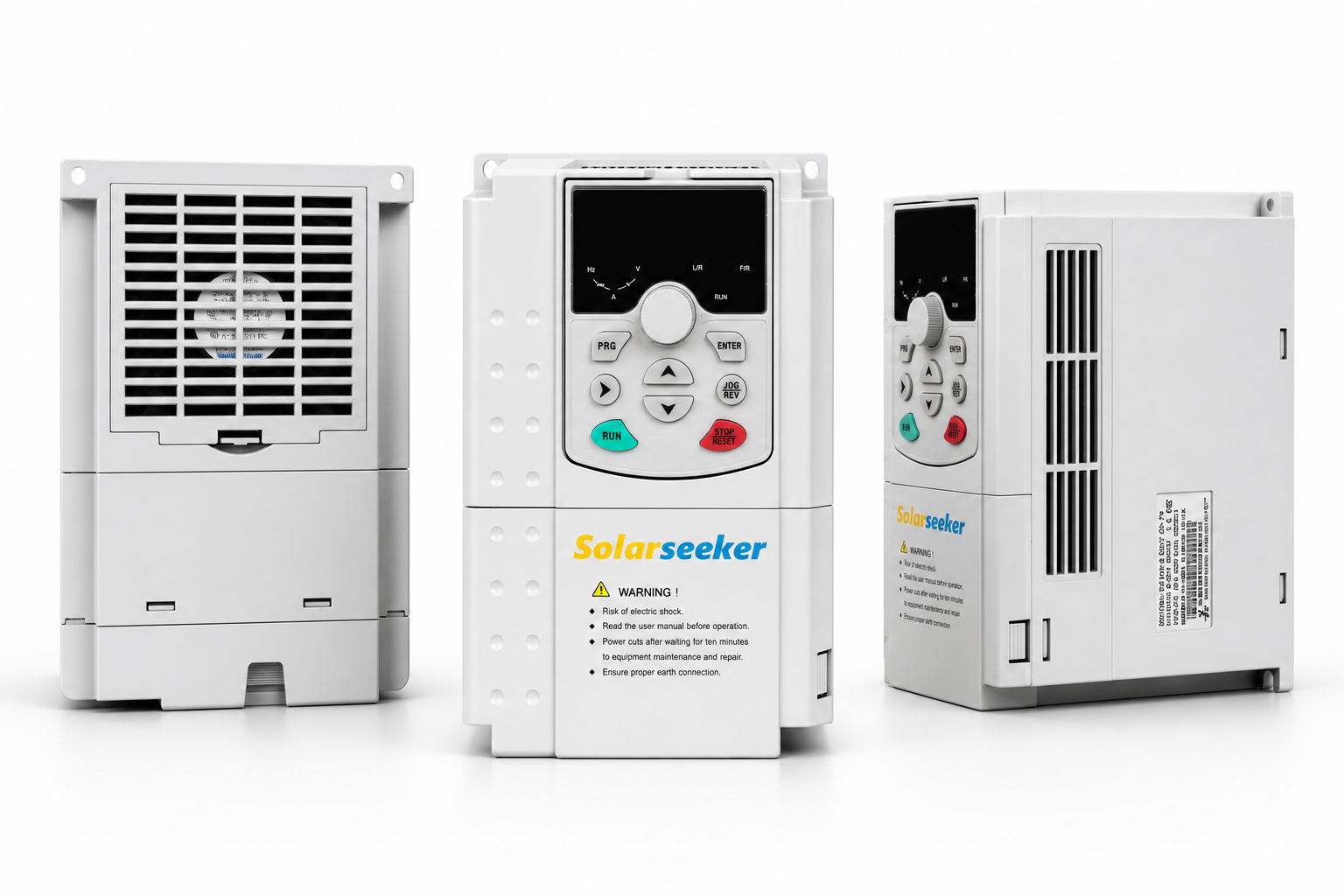
SP3 220V Three Phase Solar Pump Inverter
Choose SP3 when the pump motor is 220V three phase and needs a direct solar drive. It is the stronger route for commercial farms, orchards, resorts, workshops, and larger 220V water transfer systems.
- 0.75kW to 15kW SP3 model range
- Stable running for three phase pump motors
- Suitable for longer daily irrigation demand
How It Works
What is a 220V solar pump inverter?
A 220V solar pump inverter converts PV power into controlled AC output for a 220V pump motor. It tracks solar input, regulates pump speed, protects the motor, and keeps water pumping without batteries when sunlight is available.
MPPT solar input
The inverter follows the available PV power so the pump can keep working through normal sunlight changes.
Start waiting function
The system waits until solar energy is enough before starting, helping reduce repeated start-stop cycles in weak sunlight.
Simplified operation
A cleaner operation interface reduces unnecessary parameter work for installers and dealer support teams.
50°C field operation
SP1 and SP3 are built for hot pump rooms, dry-season irrigation sites, and field installations where ambient temperature rises.
SP1 vs SP3
Compare SolarSeeker 220V solar pump inverter models
Use this table before quotation. It keeps the two 220V product paths clear for dealers, installers, and project buyers.
| Model path | Pump match | Typical power | Best use | Next step |
|---|---|---|---|---|
| SP1 220V Single Phase | 220V single phase pump motor | 0.4kW to 5.5kW | Small wells, farms, livestock water, household and village supply | SP1 page |
| SP3 220V Three Phase | 220V three phase pump motor | 0.75kW to 15kW | Commercial farms, orchards, resorts, facilities, larger 220V water transfer | SP3 page |
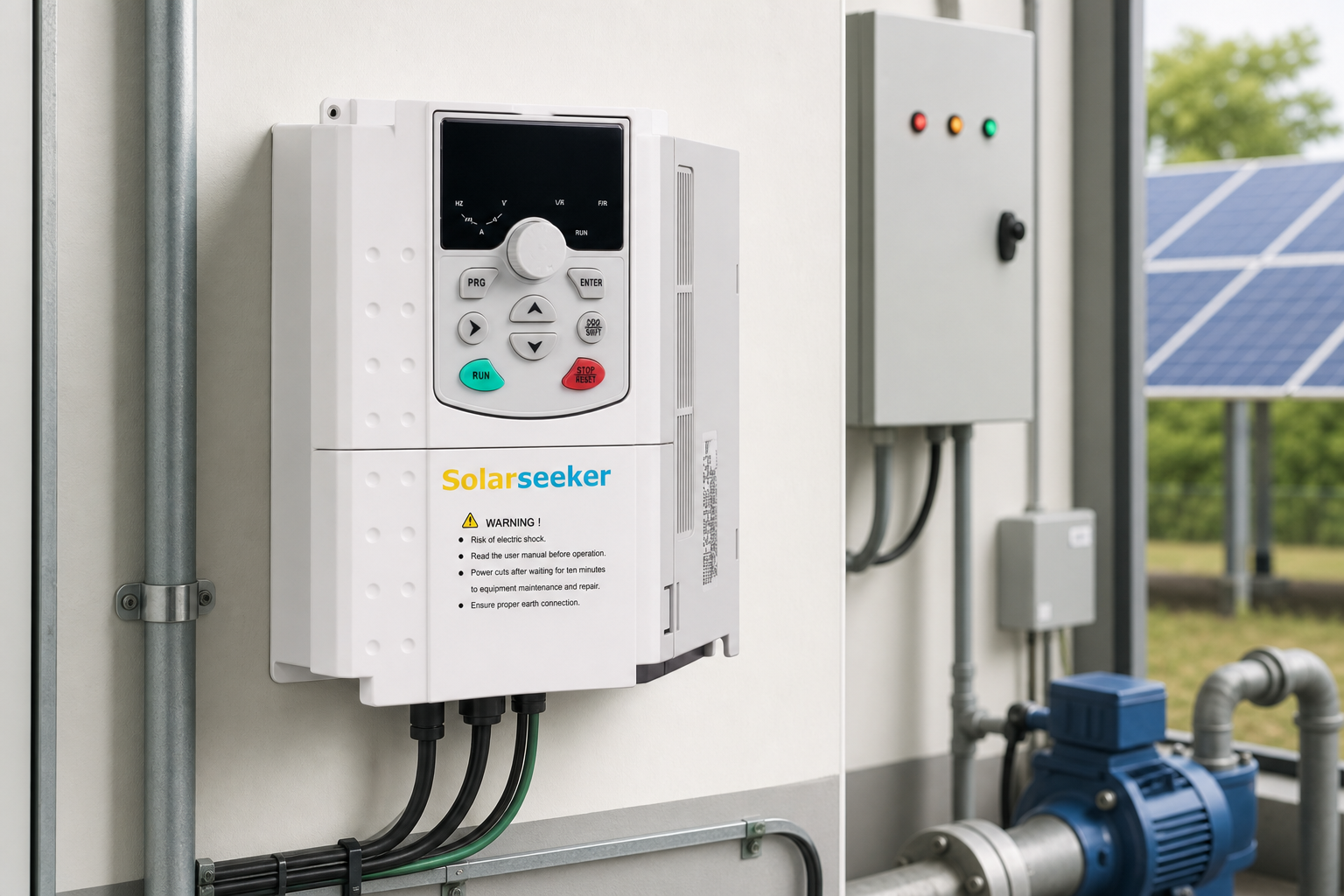
Small And Medium 220V Projects
Where 220V solar pump inverters fit best
A 220V solar pump inverter is usually chosen when the buyer already uses 220V pumps and local installers are familiar with 220V wiring and service. It is practical for small and medium projects before moving to 380V systems.
Wells and household water supply
SP1 is often the first path for 220V single phase well pumps that fill a tank during the day.
Small farm irrigation
SP1 and SP3 can support vegetables, orchards, livestock water, and seasonal irrigation depending on the pump motor phase.
Commercial 220V water systems
SP3 is the stronger path for 220V three phase pumps in resorts, workshops, residential compounds, and larger farms.
Before Quotation
Send these details to choose the right 220V inverter
The fastest way to avoid wrong selection is to send the pump nameplate first. SolarSeeker can then confirm SP1 or SP3, check current margin, and suggest the PV array.
Get Model RecommendationPump nameplate photo
Voltage, phase, power, rated current, frequency, and motor type.
Water target
Head, flow, well depth or suction condition, pipe distance, and daily water demand.
PV array plan
Panel wattage, series/parallel plan, site sunlight, and whether grid backup is required.
Installation environment
Indoor or outdoor location, rain, dust, heat, cable distance, and whether a cabinet is needed.
Field Support
What installers care about after the model is chosen
Once the pump phase is clear, the next questions are practical: will it start cleanly in weak morning sun, can the installer set it up without long parameter work, and can it handle hot pump rooms or dry-season field sites?
SP series up to 900V DC input capability
SolarSeeker’s wider SP series supports PV input configurations up to 900V DC. Confirm the model-specific input range before quotation.
Reduced parameter complexity
The simplified interface helps installers finish basic commissioning with less support pressure.
Start waiting protection
The pump waits for enough solar energy instead of repeatedly trying to start under weak sunlight.
3-year warranty
A consistent warranty policy supports distributors, OEM partners, and project buyers.
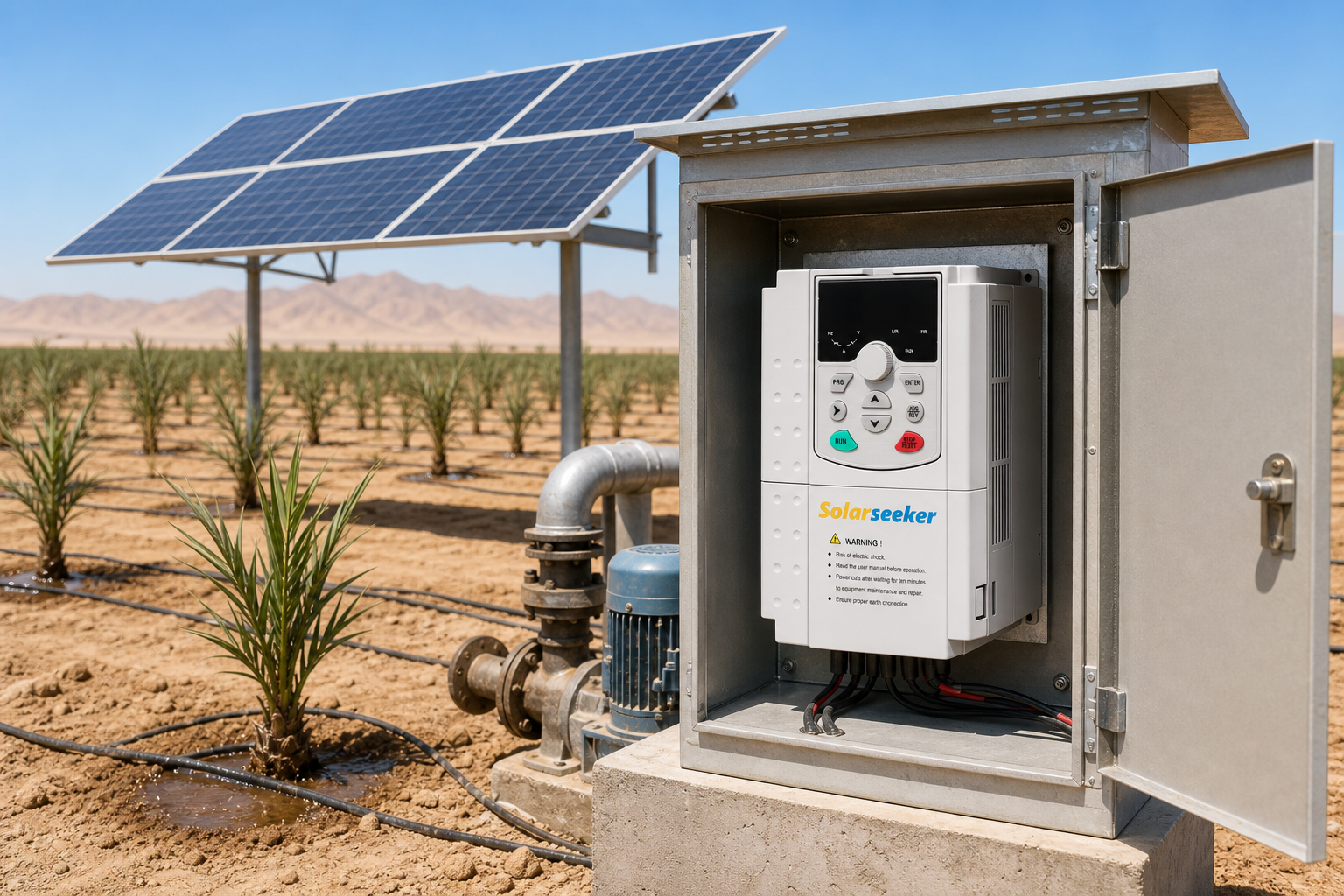
Product Boundary
When should you choose a different product path?
A 220V inverter is not always the best answer. If the project moves into high power, deep wells, long cable distances, or exposed outdoor cabinet work, check the related SolarSeeker product path before ordering.
Use 380V for larger systems
Deep wells, larger irrigation systems, and high-power pump motors often fit the 380V solar pump inverter path better.
Add a cabinet for harsh sites
Outdoor rain, dust, direct sun, lightning risk, and unattended sites may need a solar pump cabinet or protected installation.
Use kits for complete supply
When the buyer wants pump, inverter, panels, cables, and accessories together, a complete kit may reduce matching risk.
For Channel Buyers
How dealers and EPC teams can plan 220V stock
Stock planning should follow the local pump market. If most small well pumps are single phase, keep SP1 as the common fast-moving model. If commercial 220V three phase pumps are common, prepare SP3 for irrigation and facility projects.
For pump dealers
Build the counter conversation around one simple question: is the pump single phase or three phase? This makes SP1/SP3 routing easy for sales staff and reduces after-sales mistakes.
Check SP1 stock modelFor irrigation contractors
Confirm head, flow, daily running hours, motor rated current, and field environment before final selection. For commercial 220V three phase projects, SP3 is usually the first model path to check.
Check SP3 model rangeField Examples
Real 220V projects where the pump nameplate decided the model
A similar-looking water project can need a different inverter if the motor phase or current changes. Use these cases as a starting point, then send your own pump data before copying a model.
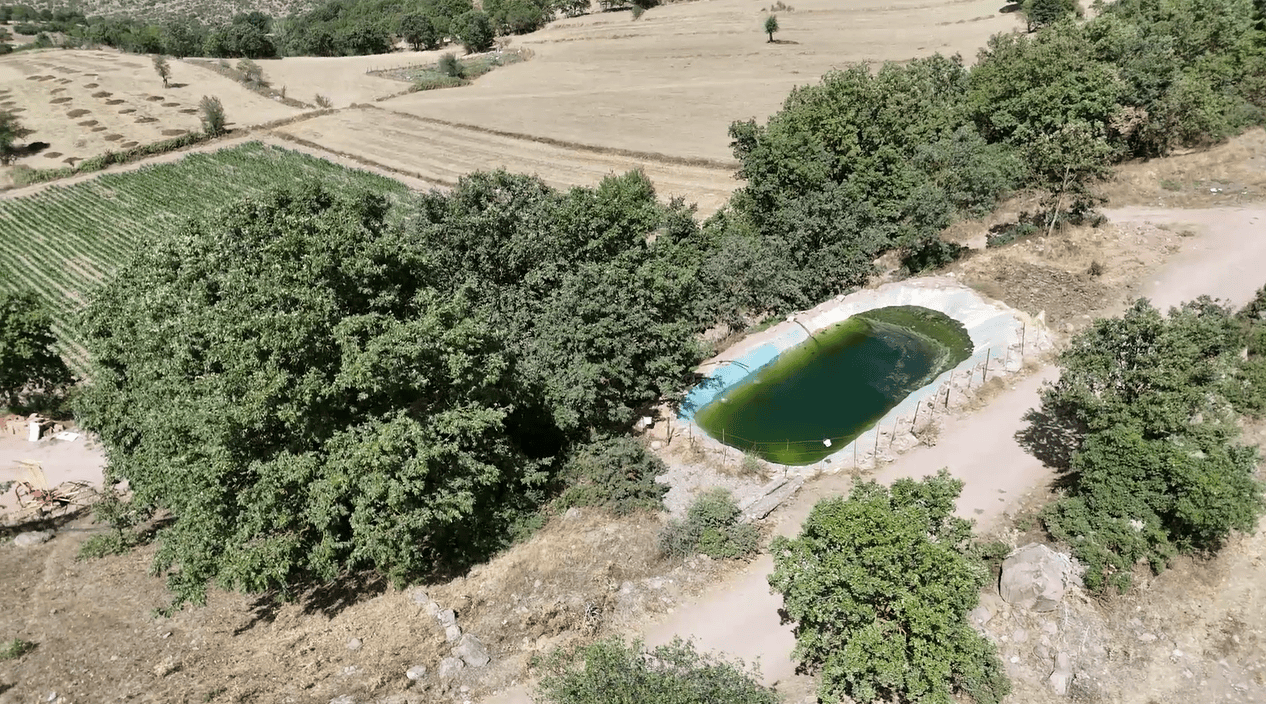
Two-Well Orchard Irrigation
One well used SP1004 for a 1.5HP single-phase pump. The second well used SP3004 for a 3HP 220V three-phase pump.
- Path
- SP1 + SP3
- Pump
- 1.5HP / 3HP
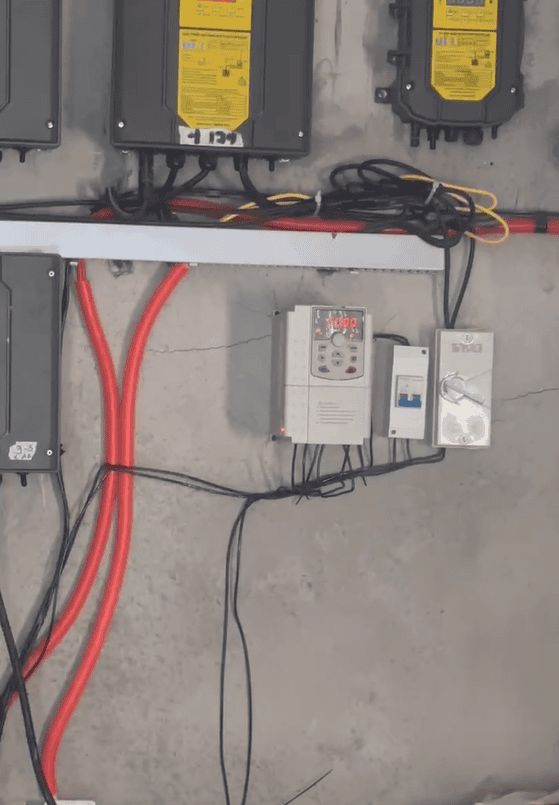
Single Phase Motor Water Supply
A 2.2kW 220V single-phase pump was matched with SP1004 4kW, using AC input test and solar DC hybrid input.
- Path
- SP1
- Motor
- Single phase
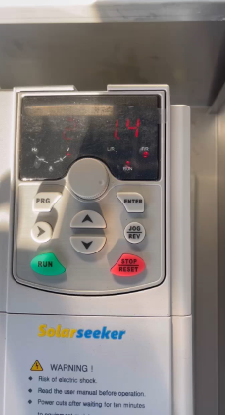
Shanghai Pond Aeration System
A 1.5kW inverter installation for pond aeration, showing how smaller 220V single-phase projects can be checked before quotation.
- Path
- SP1
- Use
- Aeration
Have a 220V three-phase pump but no similar case yet? Send the nameplate first. SolarSeeker can check whether the SP3 path fits before you commit to panels, wiring, or cabinet layout.
Check SP3220V solar pump inverter FAQ
How do I choose between SP1 and SP3?
Choose by pump motor phase. If the nameplate shows 220V single phase, start with SP1. If it shows 220V three phase, start with SP3. Send the nameplate photo before ordering so SolarSeeker can confirm current margin and PV array matching.
Can a 220V solar pump inverter run an existing AC pump?
Yes, when the pump voltage, phase, power, and rated current match the selected inverter. SP1 is for 220V single phase pumps, while SP3 is for 220V three phase pumps.
What information is needed for a 220V pump quotation?
Send the pump nameplate, project country, well depth or suction condition, head, flow target, daily running hours, cable distance, and installation environment. These details help confirm whether SP1 or SP3 is the right path.
Is 220V suitable for irrigation projects?
Yes, many small and medium irrigation projects use 220V pumps. SP1 is common for single phase farm pumps, while SP3 is better for 220V three phase pumps with higher daily water demand.
When should I move from 220V to 380V?
Consider a 380V solar pump inverter for deep wells, higher power motors, long cable distances, large irrigation systems, or industrial water transfer. If you are unsure, send the pump data and site conditions for a model recommendation.
Before Quotation
Send These Details Before Quotation
For 220V pump projects, the key question is whether the pump is single phase or three phase. Send the nameplate first so SolarSeeker can route the project to SP1 or SP3.
Confirm SP1 or SP3 before discussing panel count
Avoid mixing 220V single phase and 220V three phase projects
Useful for pump dealers quoting small wells and farm pumps
220V pump nameplate
Send voltage, phase, power, rated current and frequency. The phase decides the SP1 or SP3 path.
Single phase or three phase
Tell us if the motor is 220V single phase or 220V three phase, not only the pump horsepower.
Head, flow and daily water
Well depth, pipe distance, flow rate and daily water demand help us check whether the pump load is realistic.
PV array plan
Panel power, Voc, Vmp, quantity and planned series-parallel connection must stay inside the inverter input range.
Installation site
Share country, sunlight, heat, humidity, rain exposure and whether the inverter will be inside a box or cabinet.
Buyer and quantity
Tell us if this is a sample, dealer stock, farm project, EPC order or OEM package.
Simple message format: 220V pump nameplate + phase + head/flow + panel data + country + quantity. If some data is missing, send what you have first and SolarSeeker can help check the rest.
Need help choosing a 220V solar pump inverter?
Send the pump nameplate and basic project details. SolarSeeker will help confirm whether SP1 or SP3 is the right fit, then recommend the model and PV array direction before shipment.