
380V Solar Pump Inverter for Deep Wells and Large Irrigation
Not every solar pumping project should stay in the 220V range. When the pump nameplate shows 380V three phase, or the project moves into deep wells, long pipelines, high flow irrigation, or industrial water transfer, start from the 380V solar pump inverter path.
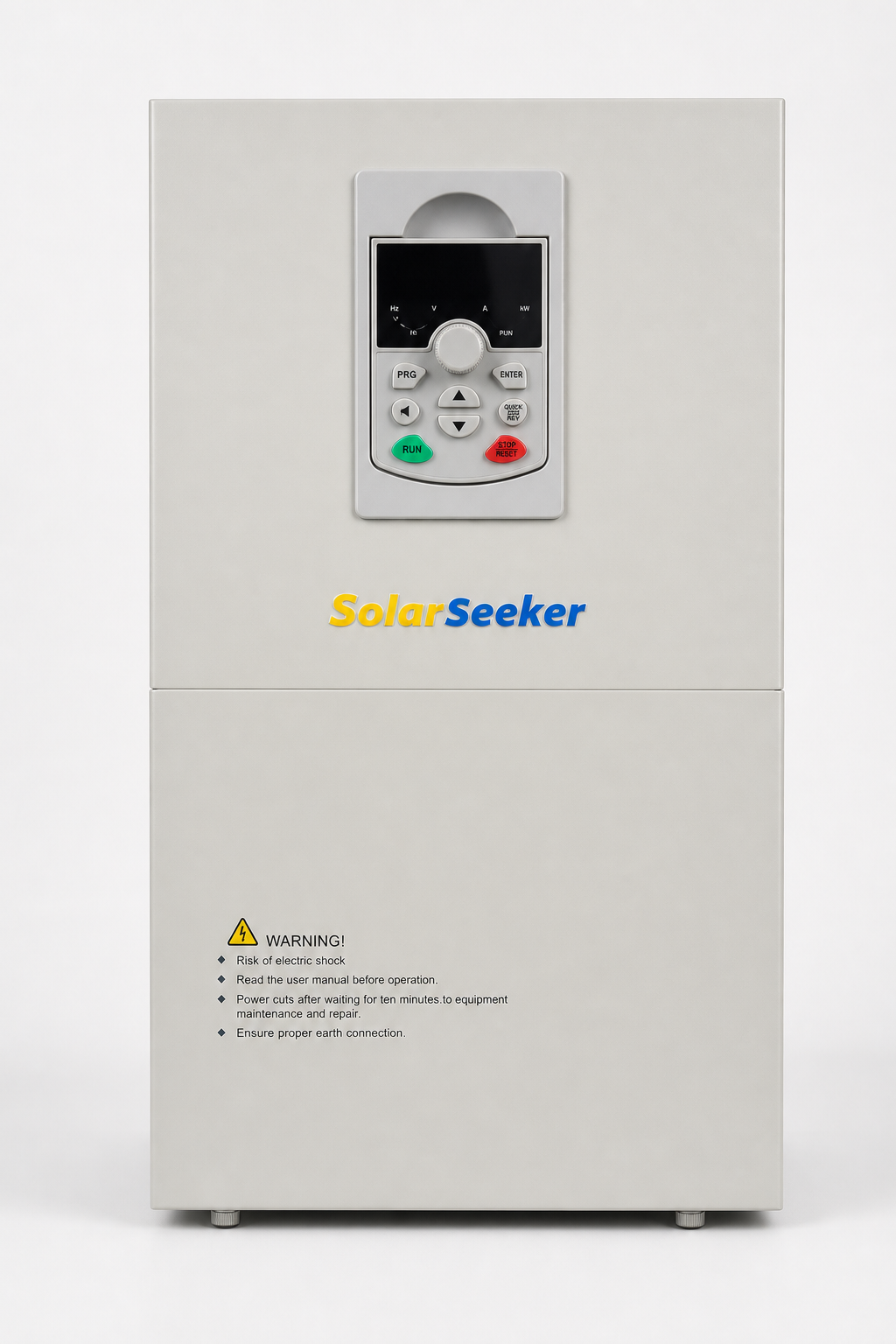
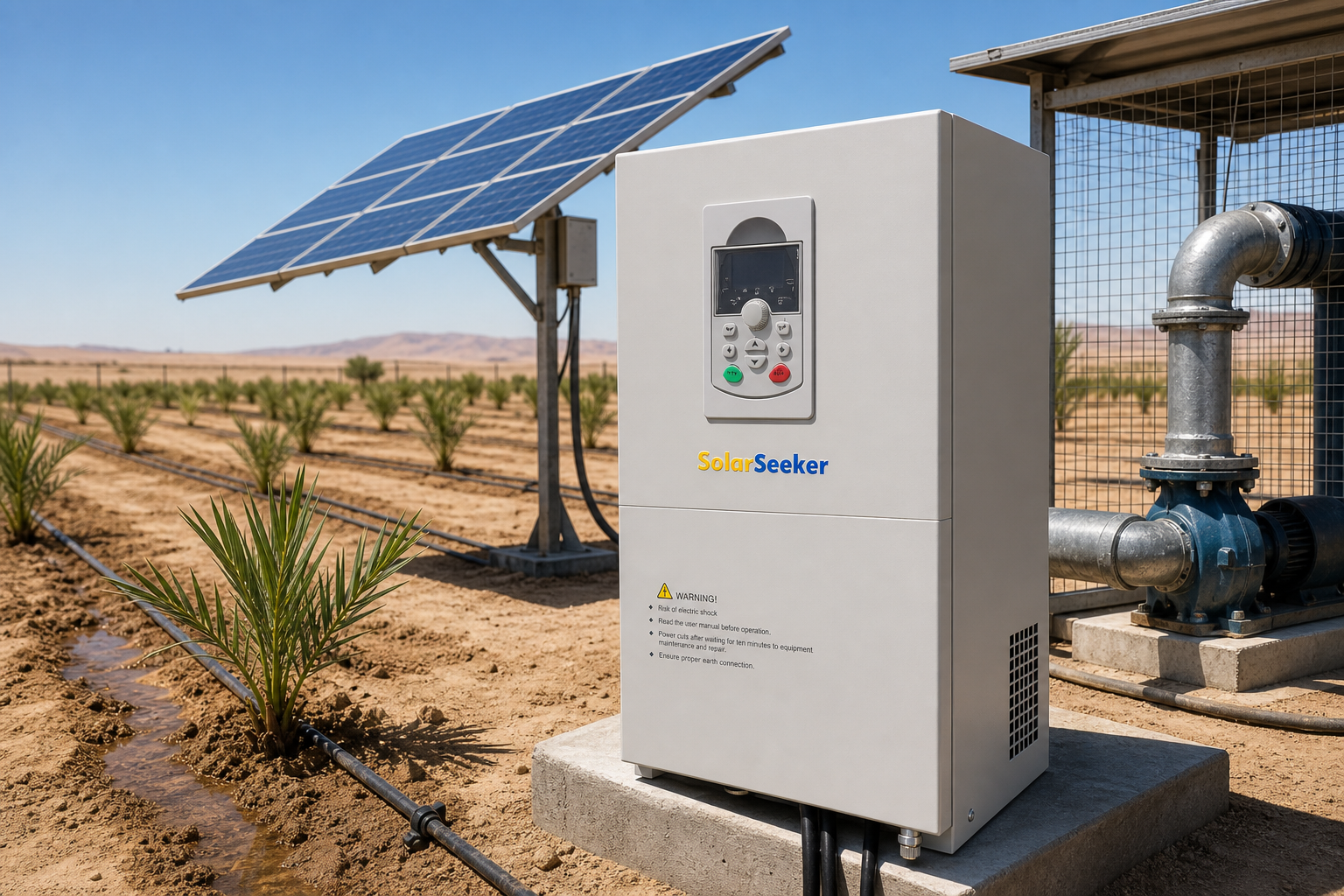
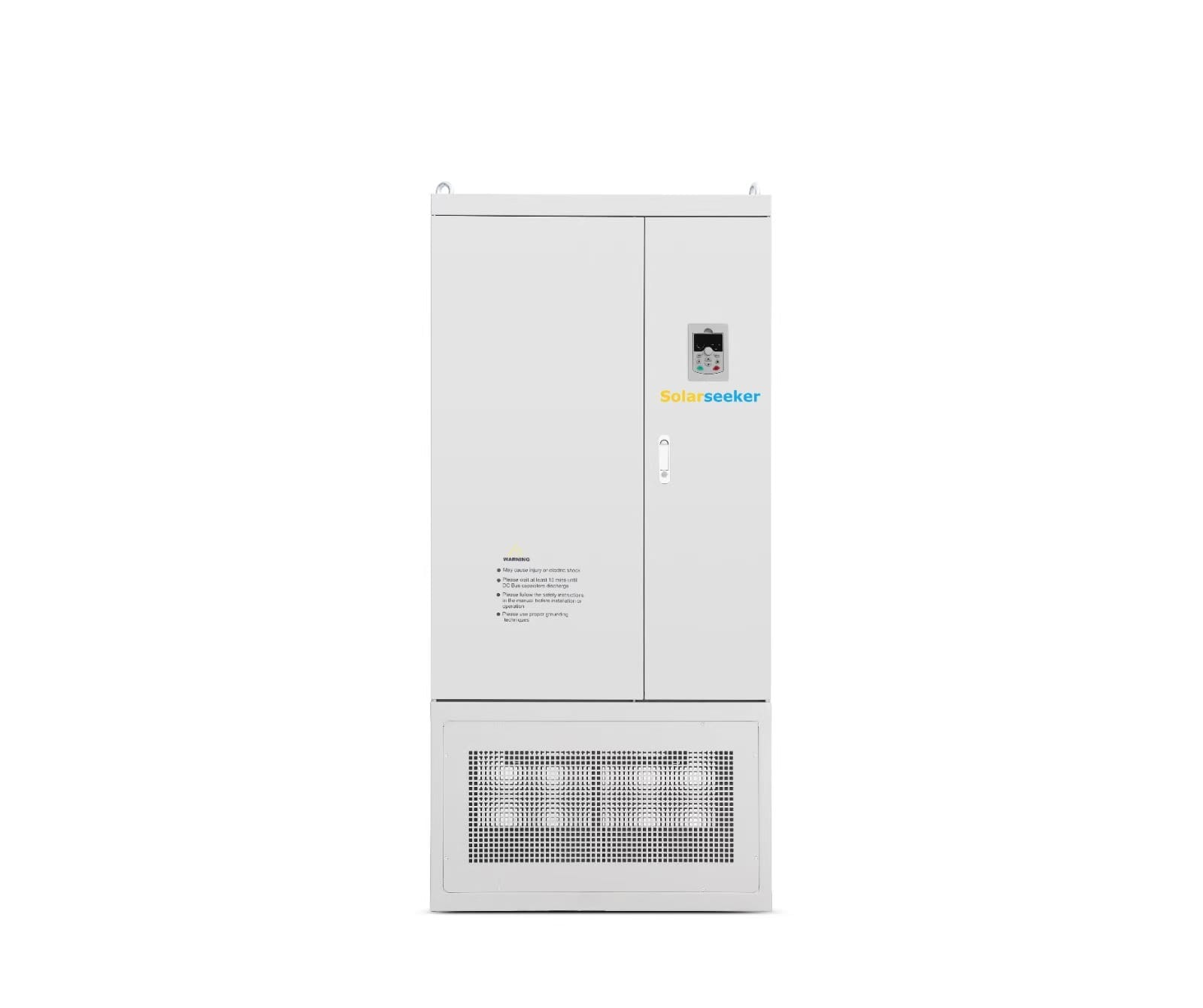
SolarSeeker uses SP4 as the main 380V inverter path, with IP65 solar pump cabinet support when the site needs cleaner wiring, surge protection, outdoor protection, and easier field maintenance.
When To Go 380V
Use the 380V path when pump load, site distance, or daily runtime becomes serious
A 380V solar pump inverter is usually chosen because the pump is already a 380V three phase motor, or because the water project has moved beyond a small well or light farm pump.
380V three phase nameplate
If the pump motor output is 380V three phase, SP4 is the inverter path to check first.
Deep well or high head
Deep wells, long riser pipes, and high head requirements often need a stronger 380V system layout.
Large irrigation blocks
For center pivot, orchard, rice field, and high-flow irrigation, check the pump current and PV string plan before selecting a model.
Not for 220V pump motors
For 220V single phase or 220V three phase pumps, start from the 220V solar pump inverter path.
Main Product Route
SP4 is the main 380V three phase inverter for this category
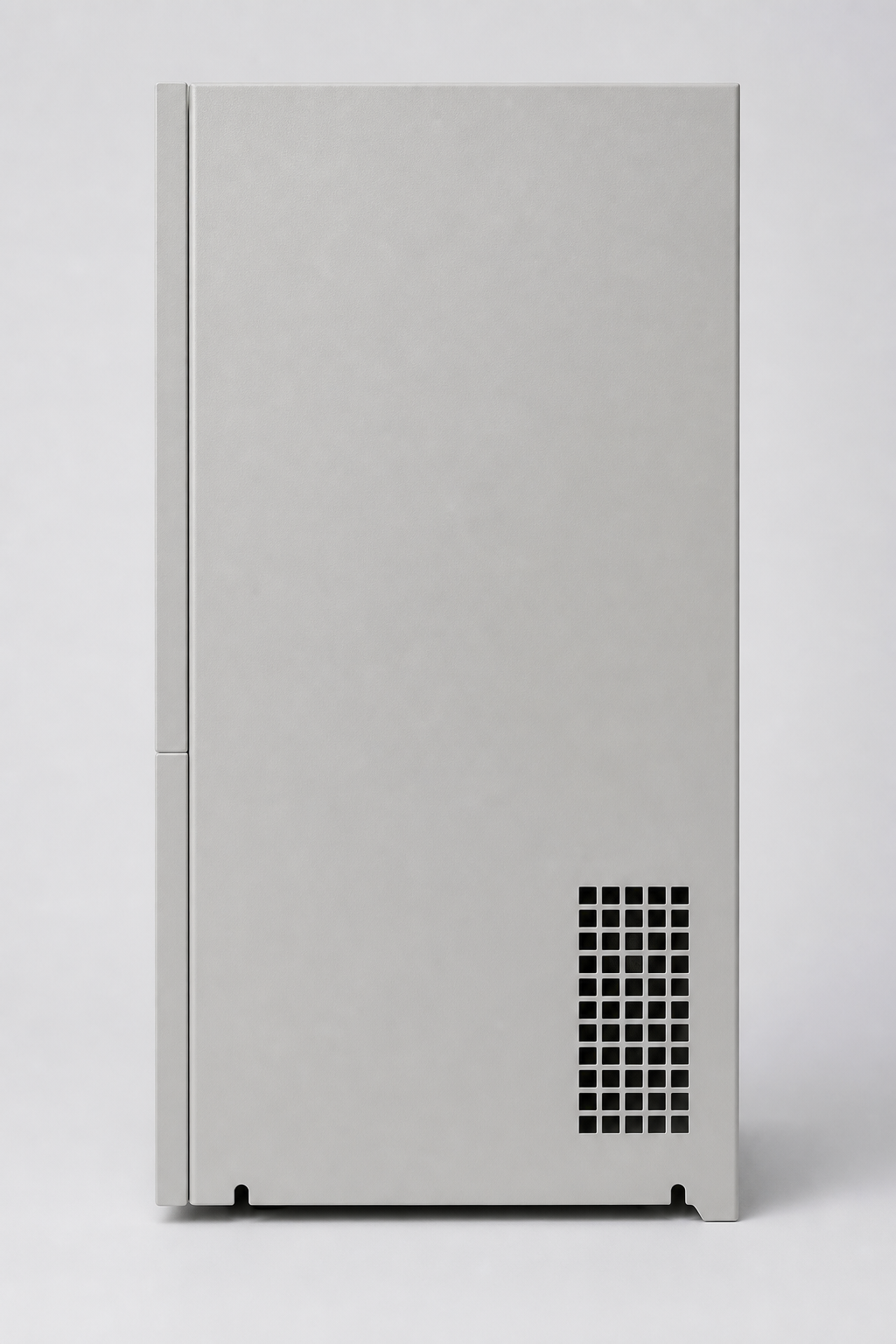
For a confirmed 380V three phase pump, open SP4 for model details, product photos, datasheet download, and quotation data. If the site is outdoor, dusty, humid, or high power, check the IP65 cabinet path before quoting.
SP4 highlights
- 270–800V DC / MPPT range
- 530–800V recommended DC input
- Start waiting function
- Simplified operation interface
- Operation up to 50°C
Send these details
- Pump nameplate photo
- Head, flow, and pipe distance
- PV module data
- Cabinet location and site temperature
Choose The Right Path
380V inverter, IP65 cabinet, or system-matching plan?
A buyer may ask for a water pump for solar, a deep well pump, a solar well pump system, or a complete irrigation package. The equipment path should still start from the pump nameplate and site conditions.
| Buyer situation | Best SolarSeeker path | Why it fits |
|---|---|---|
| 380V three phase pump, inverter only | SP4 380V Three Phase Solar Pump Inverter | Use this when the pump and site layout are already clear. |
| Outdoor, dusty, or high-power site | IP65 Solar Pump Cabinet | Protects wiring, switching, surge devices, terminals, and service access. |
| Farm wants PV, pump, inverter, and support together | Solar Irrigation System | Useful when water demand, PV array, and installation plan must be checked together. |
| Pump is 220V, not 380V | 220V Solar Pump Inverter | Use SP1 or SP3 depending on the pump phase. Use SP2 only for single-to-three phase conversion. |
System Build
A 380V solar well pump system needs the inverter plus correctly matched pump, PV and protection data
SolarSeeker supplies the solar pump inverter and control cabinet. We can advise pump, PV array, sensor and protection matching so the buyer can procure the other system components with the correct electrical and hydraulic data.
For a simple inverter replacement, SP4 may be enough. For many deep well, irrigation and industrial sites, system design should also account for cabinet protection, sensors, breakers, cable planning and installation conditions.
SP4 inverter
Converts PV input into controlled 380V three phase output for the pump.
Pump and hydraulic data
Head, flow, pipe length, and rated current decide whether the model choice is safe.
IP65 cabinet
Recommended for outdoor or high-power projects that need wiring protection and easier maintenance.
Sensors and accessories
Water level, tank full, dry-run, protection devices, and cable accessories reduce field risk.
Project Proof
Real 380V SP4 projects, from 4kW wells to 200kW irrigation
A 4kW well pump and a 200kW irrigation cabinet can both sit on the 380V path, but they do not need the same quote. Pump current, water demand, PV voltage, and cabinet layout all change the final recommendation.
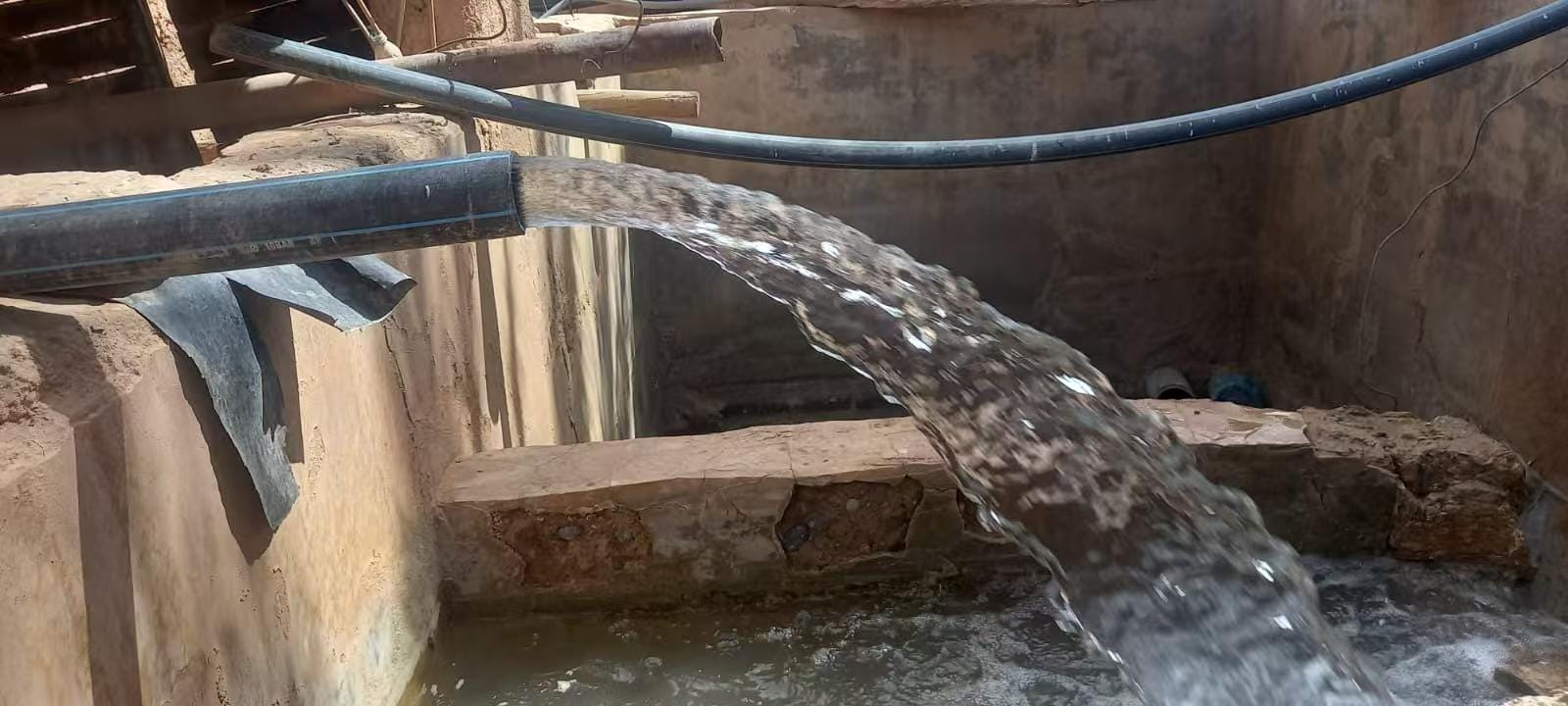
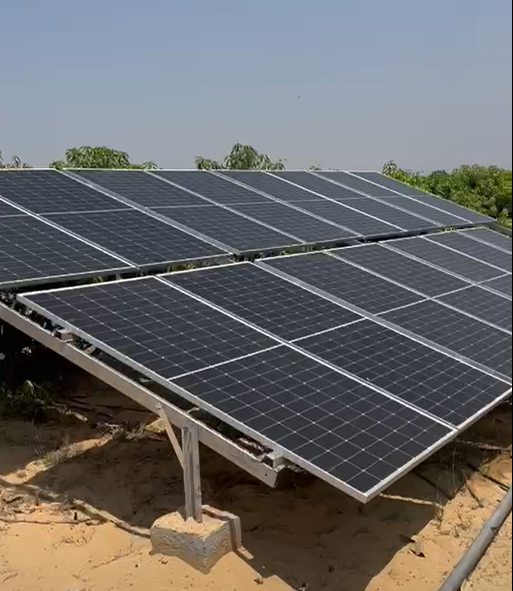
Morocco / SP4005
4kW pump with 16 solar panels
A 5.5kW inverter used with a 4kW pump and 16 pieces of 550W panels.
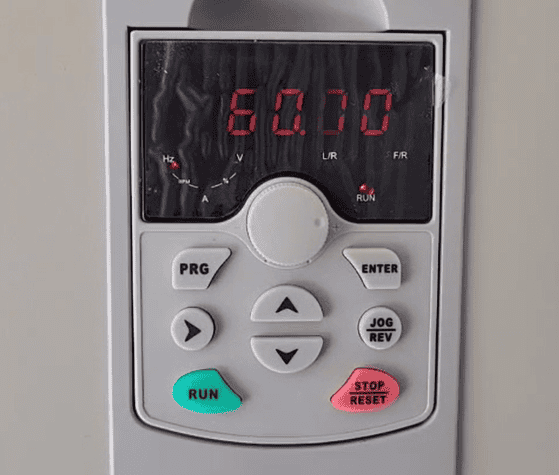
Egypt / SP4007
5.5kW olive garden irrigation
A 7.5kW inverter matched with a 5.5kW pump and 15 pieces of 550W panels.
Mexico / SP4075
55kW lemon orchard pump
A 75kW inverter selected around a 55kW pump, pressure line, and PV string plan.
Paraguay / SP4200
185HP center pivot irrigation
A 200kW cabinet project using 420 pieces of 600W panels for a high-power irrigation pump.
Before Quotation
What should you send before choosing SP4?
A 380V solar pump inverter can be oversized or undersized if the quote uses only HP or kW. Send these details first so SolarSeeker can check the model, PV voltage, protection, and cabinet need.
Pump nameplate
Voltage, phase, kW/HP, rated current, frequency, and pump type.
Water requirement
Head, flow, pipe distance, water source, and daily runtime target.
PV array plan
Panel wattage, Voc, Vmp, planned series/parallel layout, and installation space.
Cabinet environment
Outdoor exposure, dust, humidity, temperature, cable distance, and service access.
FAQ
380V solar pump inverter FAQ
When should a project use a 380V solar pump inverter?
Use a 380V solar pump inverter when the pump motor is 380V three phase, or when the system needs higher pump power, deep well pumping, large irrigation flow, or industrial water transfer.
Is SP4 the right model for every 380V pump?
SP4 is the main SolarSeeker path for 380V three phase pumps, but the exact SP4 model still depends on rated current, pump power, head, flow, cable distance, and PV array voltage.
Can a 380V inverter run a 220V pump?
No. The inverter output should match the pump motor voltage and phase. If the pump is 220V, start from the 220V solar pump inverter path and choose SP1, SP2, or SP3 based on the phase requirement.
When should I add an IP65 solar pump cabinet?
Add an IP65 cabinet when the installation is outdoor, dusty, humid, high power, or needs organized switching, terminals, surge protection, and easier maintenance access.
What verified SP4 specifications matter most for a 380V project?
SP4 supports up to 800V DC input, includes a start waiting function, simplifies daily operation parameters, works up to 50°C, and can be matched with SolarSeeker cabinet and project support.
What information should I send for a 380V system recommendation?
Send the pump nameplate, required head and flow, water source, cable distance, PV module data, installation temperature, and whether the project needs an IP65 cabinet or broader system-design review.
Before Quotation
Send These Details Before Quotation
380V projects usually involve higher pump loads, longer cable runs or deeper wells. Send the site data before choosing SP4, a matched cabinet or the broader system-design path.
Check whether SP4, a matched cabinet or broader system-matching support is needed
Reduce risk on deep wells and larger irrigation projects
Help EPC teams confirm voltage, protection and wiring before shipment
380V pump nameplate
Send voltage, phase, kW or HP, rated current and frequency so we can check the SP4 range.
Head, flow and well data
Deep well depth, dynamic water level, flow rate and pipe distance decide the real pump load.
PV string data
Panel Voc, Vmp, quantity and string design must match the 380V inverter DC input range.
Cable and cabinet distance
Long motor cables, outdoor cabinets and protection parts should be planned before quotation.
Harsh environment
Tell us about heat, dust, rain, humidity, desert conditions or coastal exposure.
Project scope
Inverter-only, matched IP65 cabinet and broader system-matching requests need different quotation details.
Simple message format: 380V pump nameplate + head/flow + PV string + cable/cabinet distance + site environment + quantity. If some data is missing, send what you have first and SolarSeeker can help check the rest.
Have a 380V pump nameplate?
Send the pump data and site conditions. SolarSeeker will help confirm whether the project needs SP4 only, SP4 with an IP65 cabinet, or a broader solar irrigation system-design review.