
Applications / Solar Irrigation
Solar Irrigation System Design for Farms, Rice Fields and Orchards
Irrigation projects do not fail because solar panels are difficult. They fail when pump voltage, water source, pressure, daily operating time and crop demand are treated as one simple number.
We help match the inverter, pump, PV array, cabinet and accessories around the real field condition: rice irrigation, orchards, vegetables, pond pumping, canal transfer or large farm systems.
SP4
Main path for larger three-phase irrigation
220V/380V
Matched by pump nameplate
Cases
Philippines, Guangxi, Colombia, Paraguay
Field Reference
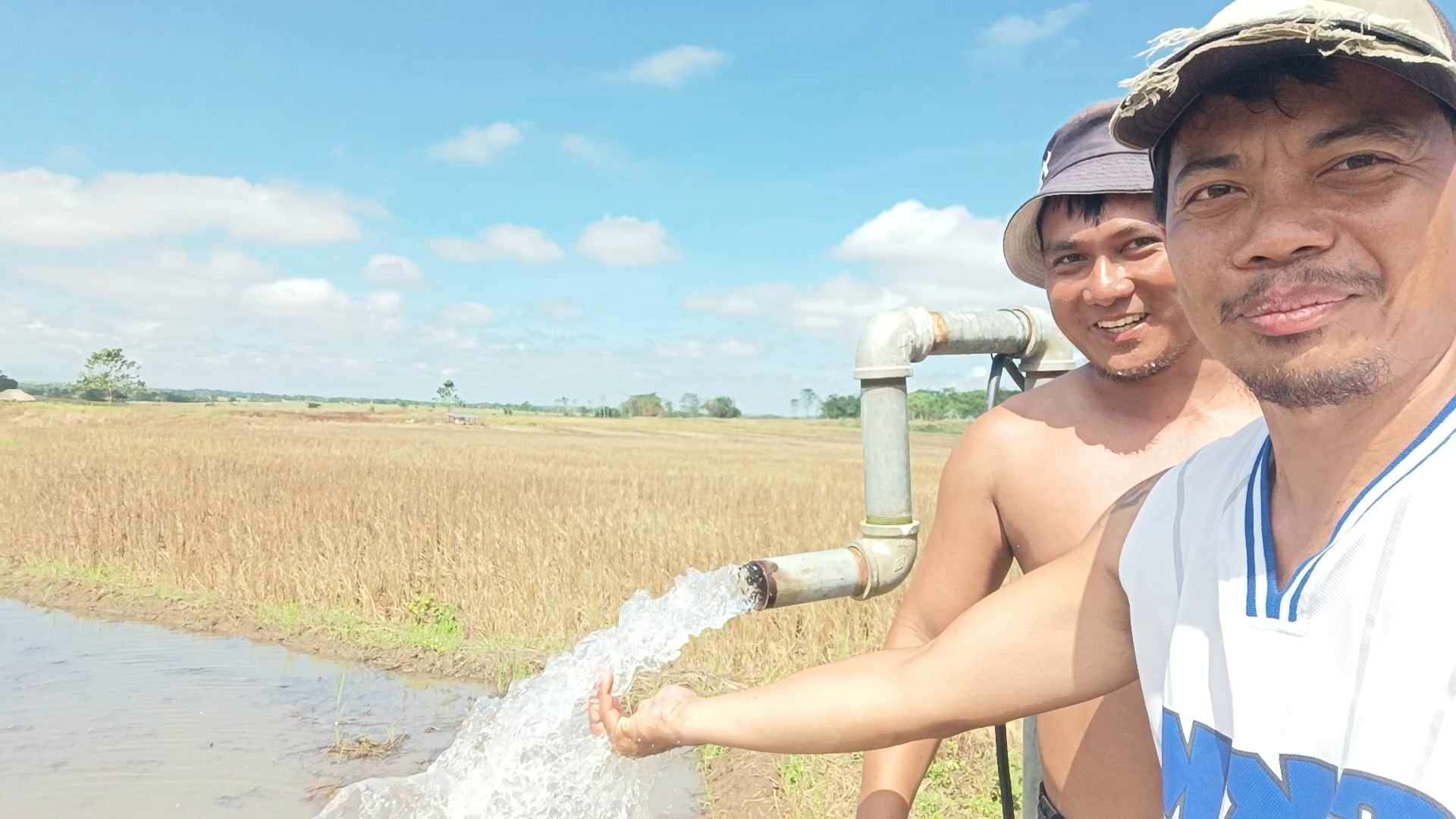
Rice farm irrigation with SP4005
4kW three-phase pump, 10 x 550W panels, and an SP4005 inverter for daytime irrigation duty.
Start With the Field
Crop demand changes the equipment path
A solar irrigation system for a small vegetable plot should not be sized like a 200kW farm. We start from crop, source, head and schedule.
Rice Fields
Water volume and stable daily pumping matter more than pressure. SP4 is common when the pump is 380V three phase.
Philippines caseOrchards
Drip and sprinkler lines need flow stability, pipe distance checks and enough PV margin for hot seasons.
Colombia caseLarge Farms
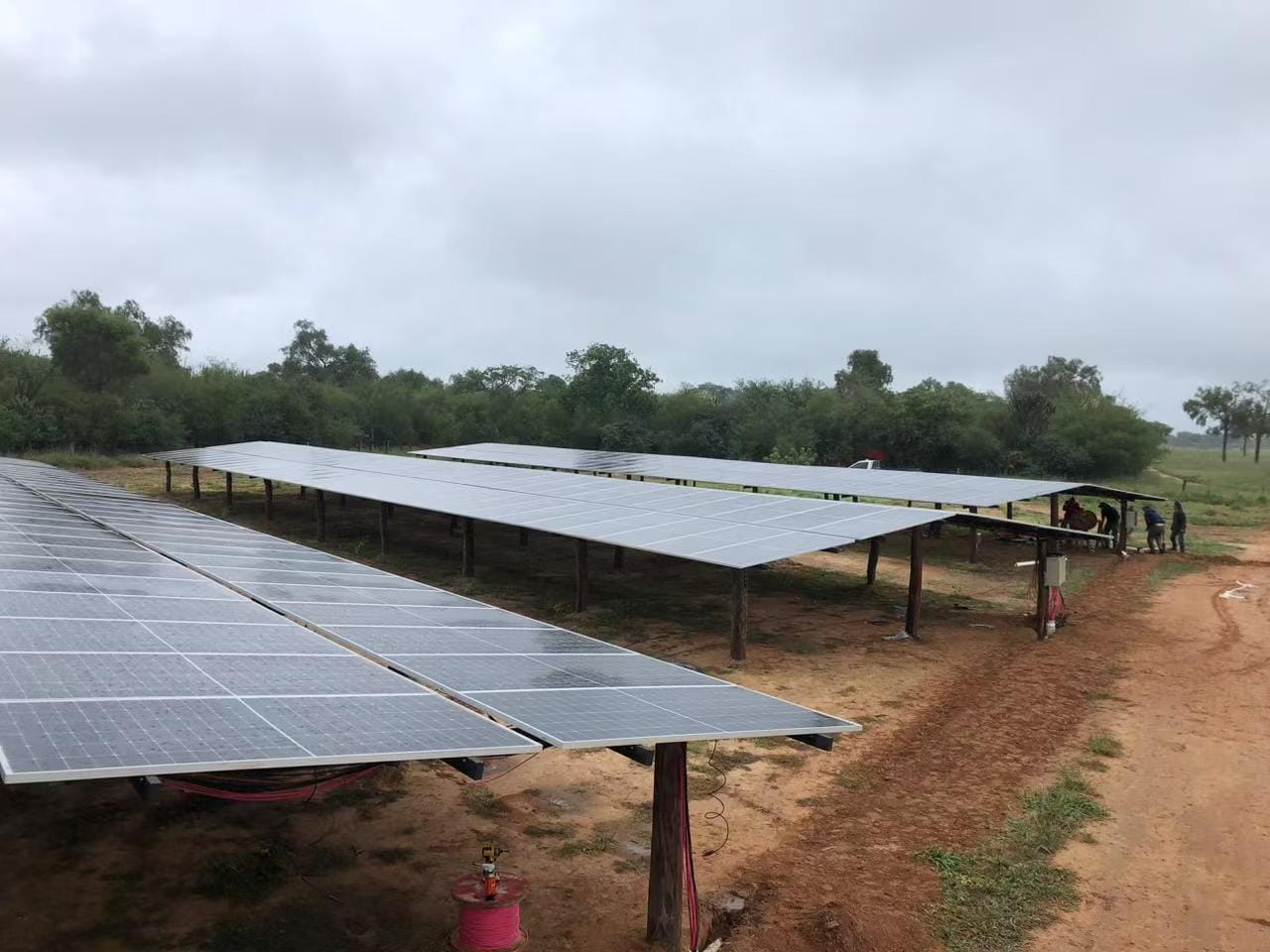
High-power pumps need cabinet wiring, protection devices, heat management and service-friendly layouts.
Paraguay caseSelection Matrix
Choose by pump voltage, field size and pressure
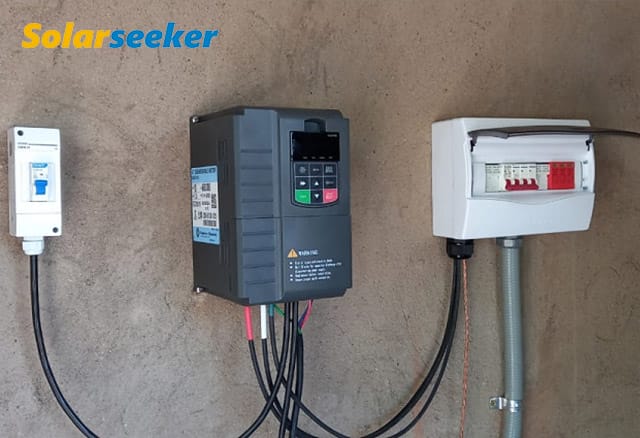
The solar pump inverter is the control center of the irrigation system. It converts PV energy into motor output, tracks solar power and protects the pump when water or sunlight changes.
Ask for Selection| Field Situation | We Check | Recommended Path | Next Page |
|---|---|---|---|
| Small vegetable plot | 220V pump, low to medium head, short daily runtime | SP1 or SP3 | 220V options |
| Rice field or orchard | Flow, pressure, pump current and season schedule | SP4 when pump is 380V three phase | SP4 |
| Pond, canal or reservoir pumping | Lift, suction condition, pipe route and water quality | Pump plus inverter matching | Pump selection |
| High-power farm | Cabinet, breakers, cooling, wiring and service access | SP4 cabinet package | Cabinet |
| Repeated distributor orders | Common pump sizes, protection needs and repeat-order settings | Standardized inverter/controller/cabinet configuration | Product catalog |
Project Proof
Real irrigation projects with pump and PV data
Case data helps prevent overgeneral sizing. Compare pump power, inverter model, PV array and field type before choosing equipment.
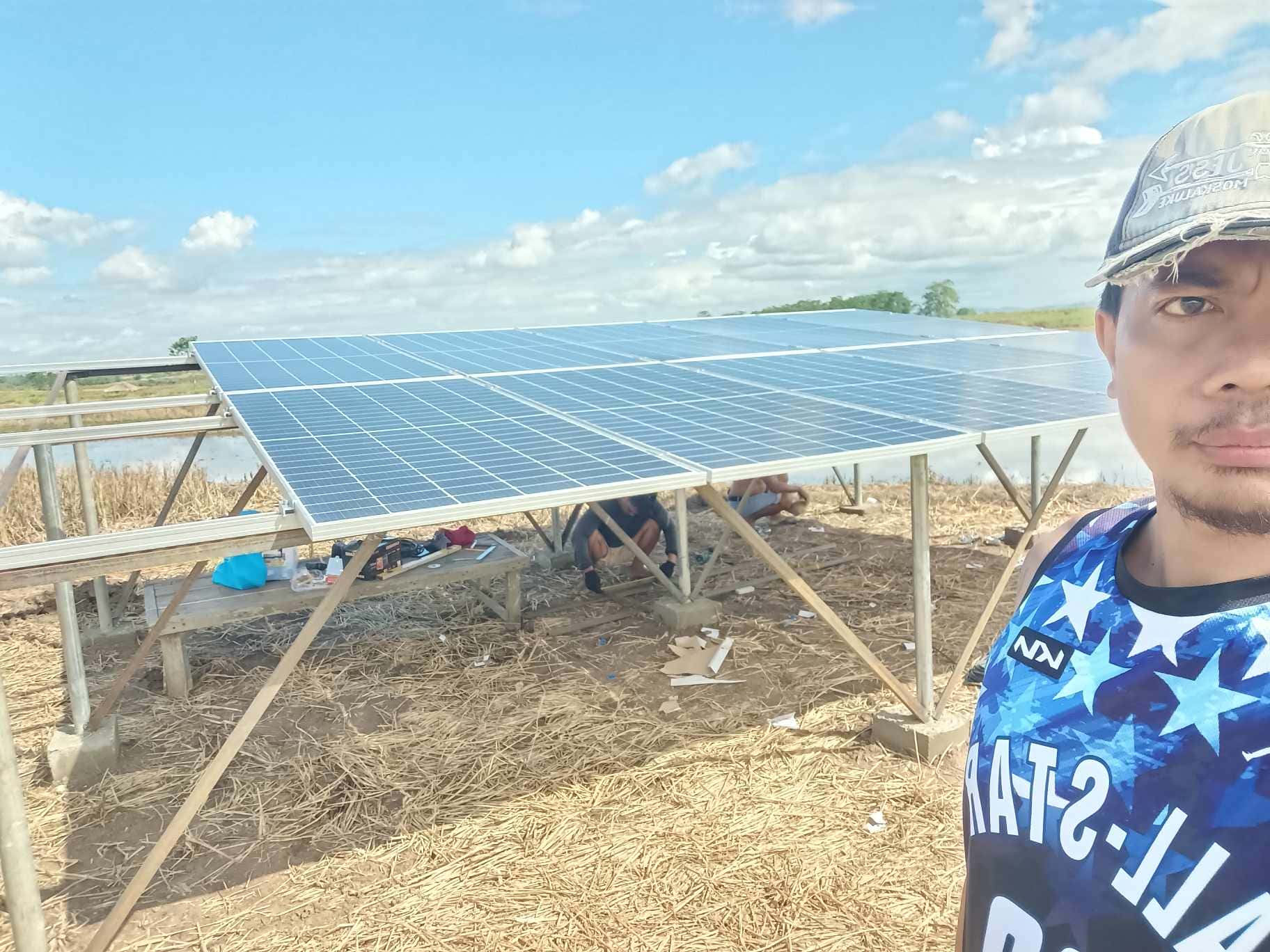
Philippines Rice Farm
SP4005 with 4kW three-phase pump
10 x 550W panels were matched to daytime irrigation demand for rice farming.
View case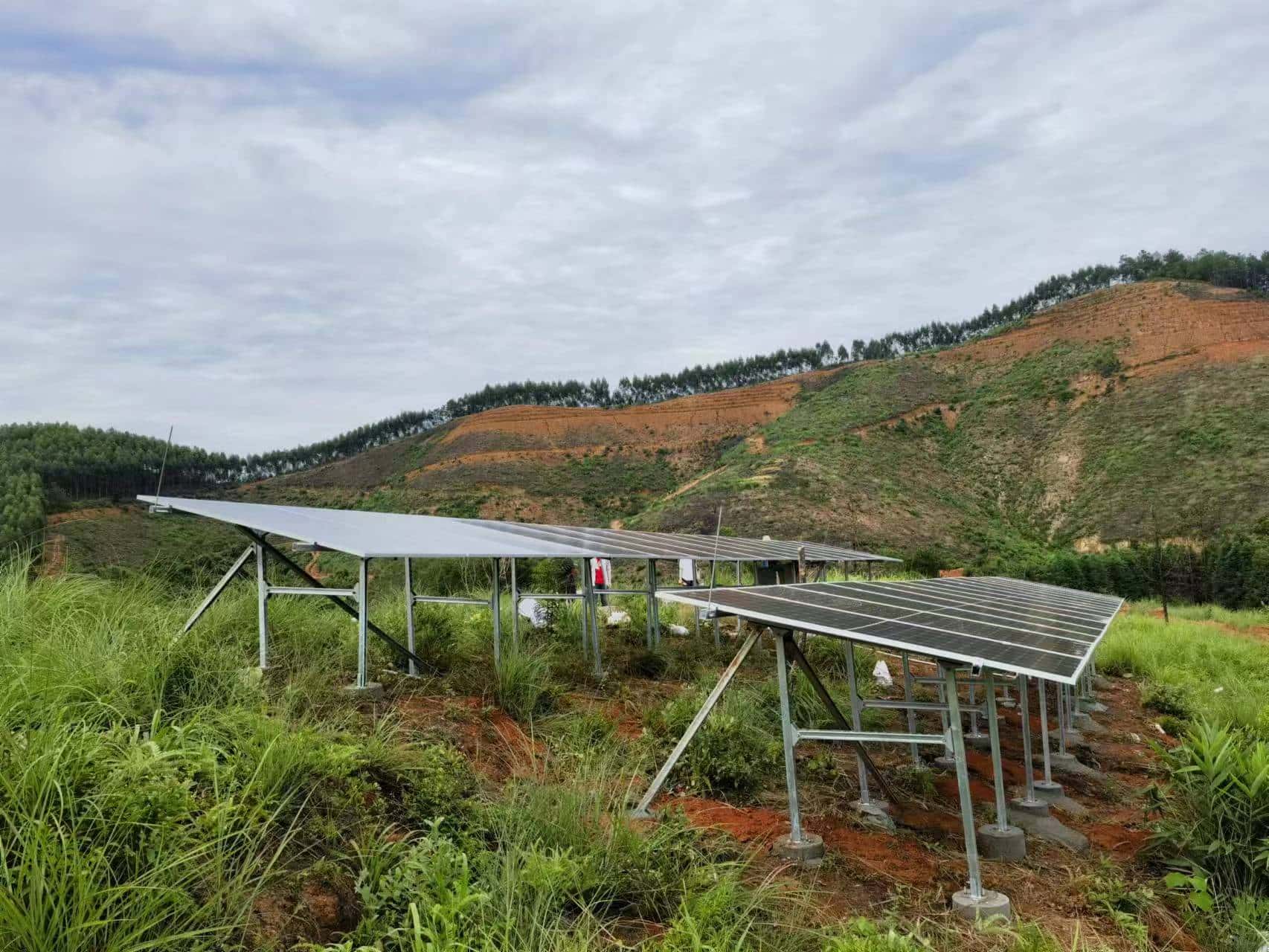
Guangxi Rice Field
SP4011 with 7.5kW submersible pump
A stronger 380V path was used for a humid rice-growing region and higher pump load.
View case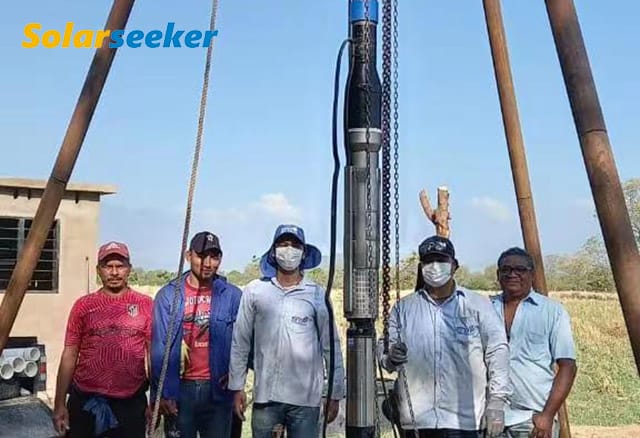
Colombia Orchard
7.5hp pump, 45m head, 12.8kW PV array
Orchard irrigation needed flow stability across 15 hectares, not only a simple pump replacement.
View caseLarge Farm Reference
Paraguay 200kW irrigation cabinet project
SP4200 cabinet, 185hp pump load and 672 x 600W panels show the high-power path for EPC-scale irrigation.
Before Quotation
Send field data before ordering the inverter
We can check whether the project should use SP1, SP3, SP4, a cabinet, or a broader pump/PV system-matching review.
Get Irrigation RecommendationPump Nameplate
Voltage, phase, kW or HP, rated current and frequency.
Crop and Area
Crop type, acreage, irrigation method and daily watering window.
Water Source
Well, pond, canal, reservoir or storage tank conditions.
Pipe and Pressure
Pipe distance, lift height, required pressure and outlet layout.
FAQ
Solar irrigation system FAQ
What inverter is best for a solar irrigation system?
Small 220V farms may use SP1 or SP3. Larger irrigation projects with 380V three-phase pumps usually move to SP4. The pump nameplate decides the starting point.
Can irrigation run without batteries?
Yes. Many farms pump during sunlight hours and store water in a tank, channel or reservoir. Batteries are only needed when night pumping is required.
What data is needed for irrigation sizing?
Send pump nameplate, flow demand, total head, field size, crop type, irrigation method, daily working hours, pipe distance, water source and project country.
When should a solar irrigation project use a cabinet?
A cabinet is recommended for high-power pumps, exposed outdoor sites, repeated farm projects or installations that need organized protection devices and easier maintenance.
Can SolarSeeker help match the full irrigation system?
Yes. SolarSeeker supplies inverter, controller and custom-cabinet products, and we can help verify pump, PV panel, sensor, cable and accessory requirements for the irrigation design.
Next Step
Planning a solar irrigation project?
Send the pump nameplate, field area, water source, head and daily water demand. We will confirm the inverter path and the pump, PV array, cabinet and accessory requirements before equipment is ordered.