How to Build a 220V and 380V Solar Pump Inverter Stocking Mix
Deep well pump inverter sizing checklist for pump nameplate head flow and PV data

A distributor should stock around proven local pump nameplates, not around a universal voltage ratio. There is no safe global rule that says a solar pump inverter distributor should hold a fixed percentage of 220V and 380V units. Start with the voltage, phase, power band and installation conditions shown on real local pump nameplates. Then … Read more
How to Size a Solar Pump Inverter for a Deep Well Pump

Deep well pump inverter sizing checklist for pump nameplate head flow and PV data

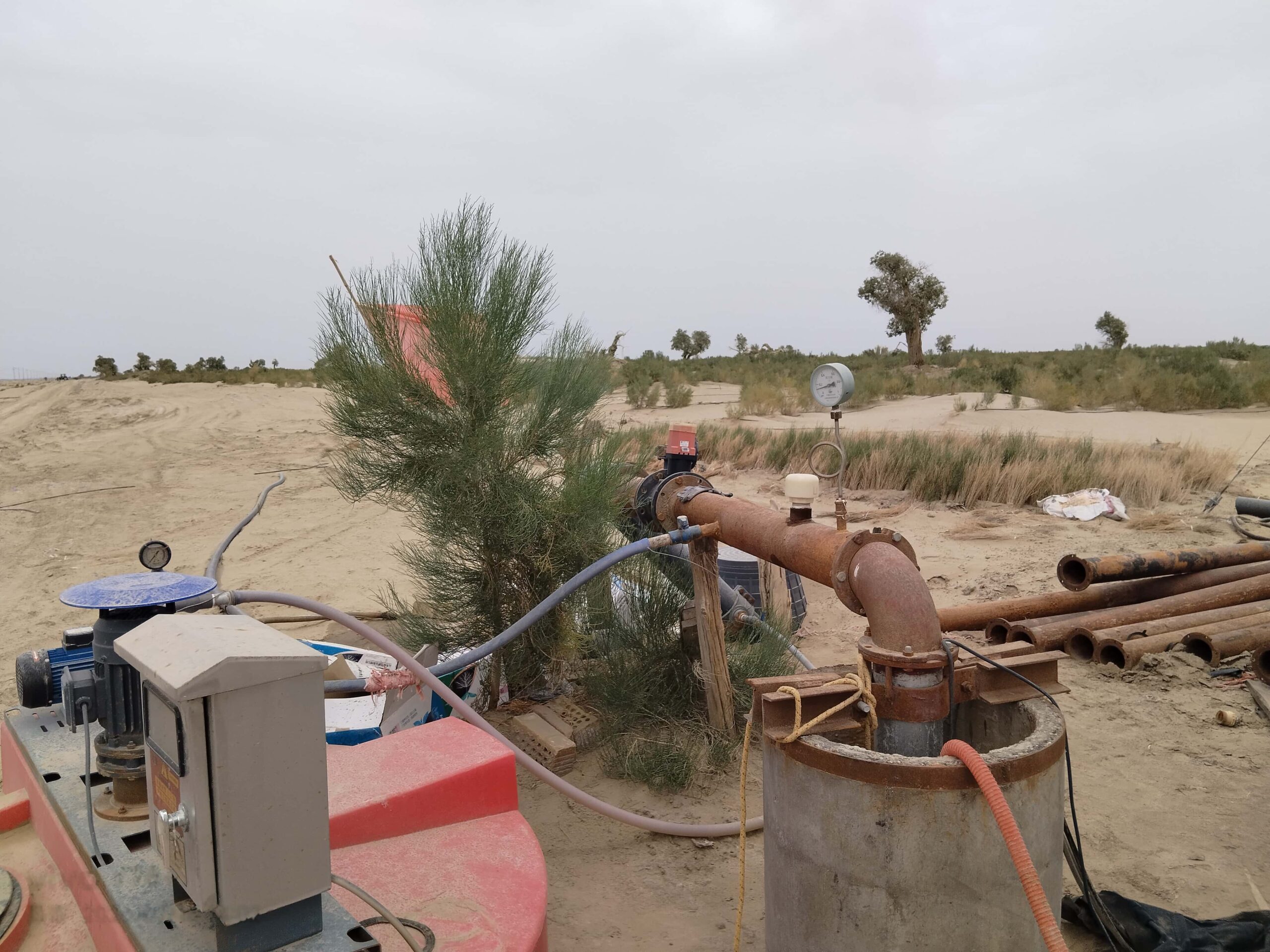
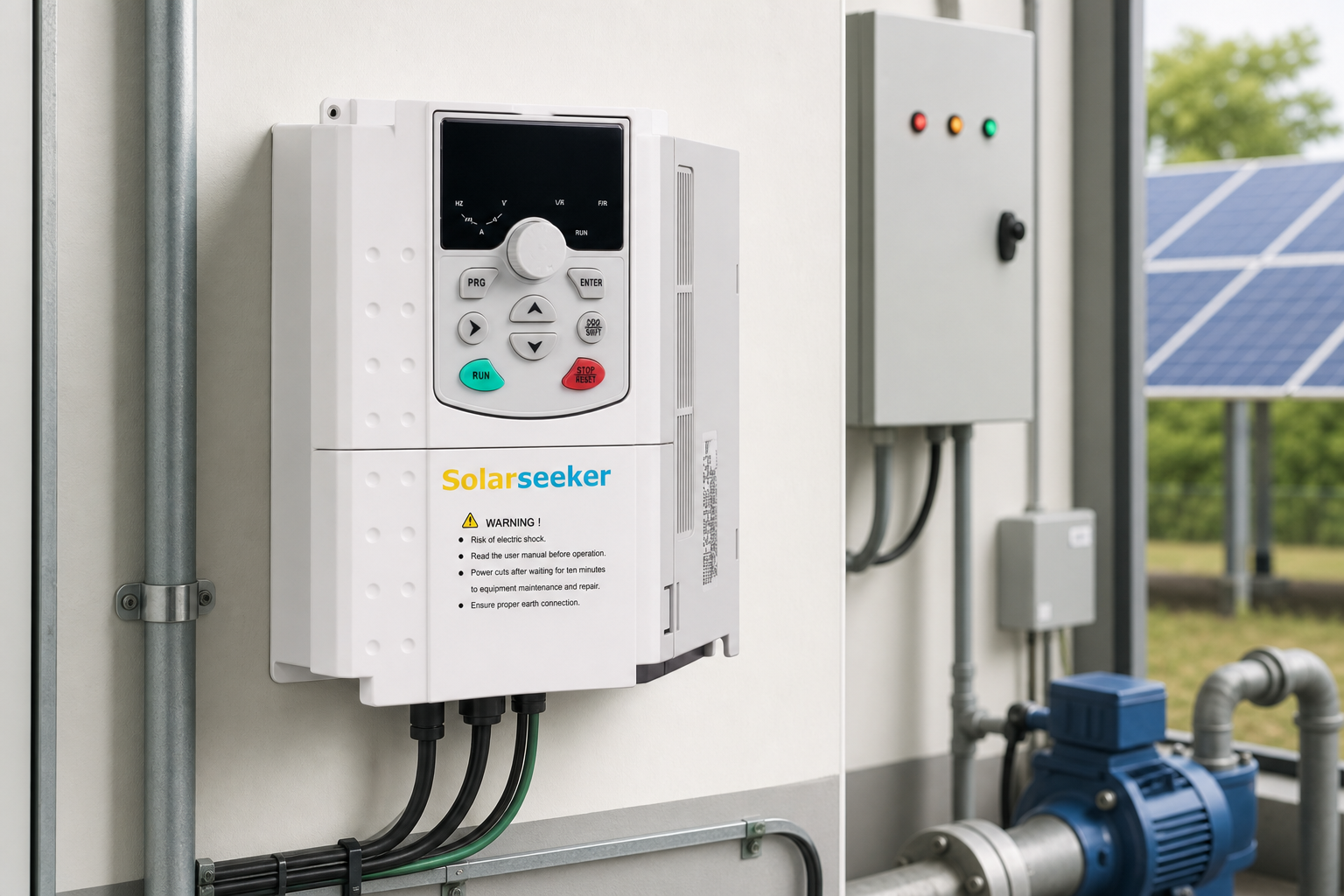
Sizing a solar deep well pump inverter by motor nameplate kilowatts alone is the quickest way to end up with a stalled pump and a burned cable. In deep well solar pumping, hydraulic head, drawdown dynamics, and motor power factor dictate the electrical load. A submersible motor operating at the bottom of a 120-meter borehole … Read more

Single Phase to Three Phase Solar Pump Inverter: When Does It Make Sense?

Solar pump phase conversion selection table for 220V single phase site and three phase pump

Running a three-phase pump motor from single-phase utility power or a compact solar array isn’t a workaround—it’s often the smartest engineering choice on the farm. A single-phase to three-phase solar pump inverter makes immediate sense when your site has single-phase 220V grid power or a direct-PV array, but your application demands the durability of a … Read more

220V vs 380V Solar Pump Inverter: Which One Fits Your Pump?

220V and 380V solar pump inverter selection table for pump voltage and phas

A wrong voltage choice doesn’t just stall a pump—it burns cables and triggers repetitive over-current trips before water ever reaches the surface. The choice between a 220V and a 380V solar pump inverter is decided entirely by the pump motor’s internal winding—not by the utility grid voltage at your warehouse or farmhouse. If your motor … Read more

Solar Pump Inverter Quotation Checklist: What Specs Should Buyers Send?

Solar panels for a solar pump inverter quotation checklist in an irrigation project

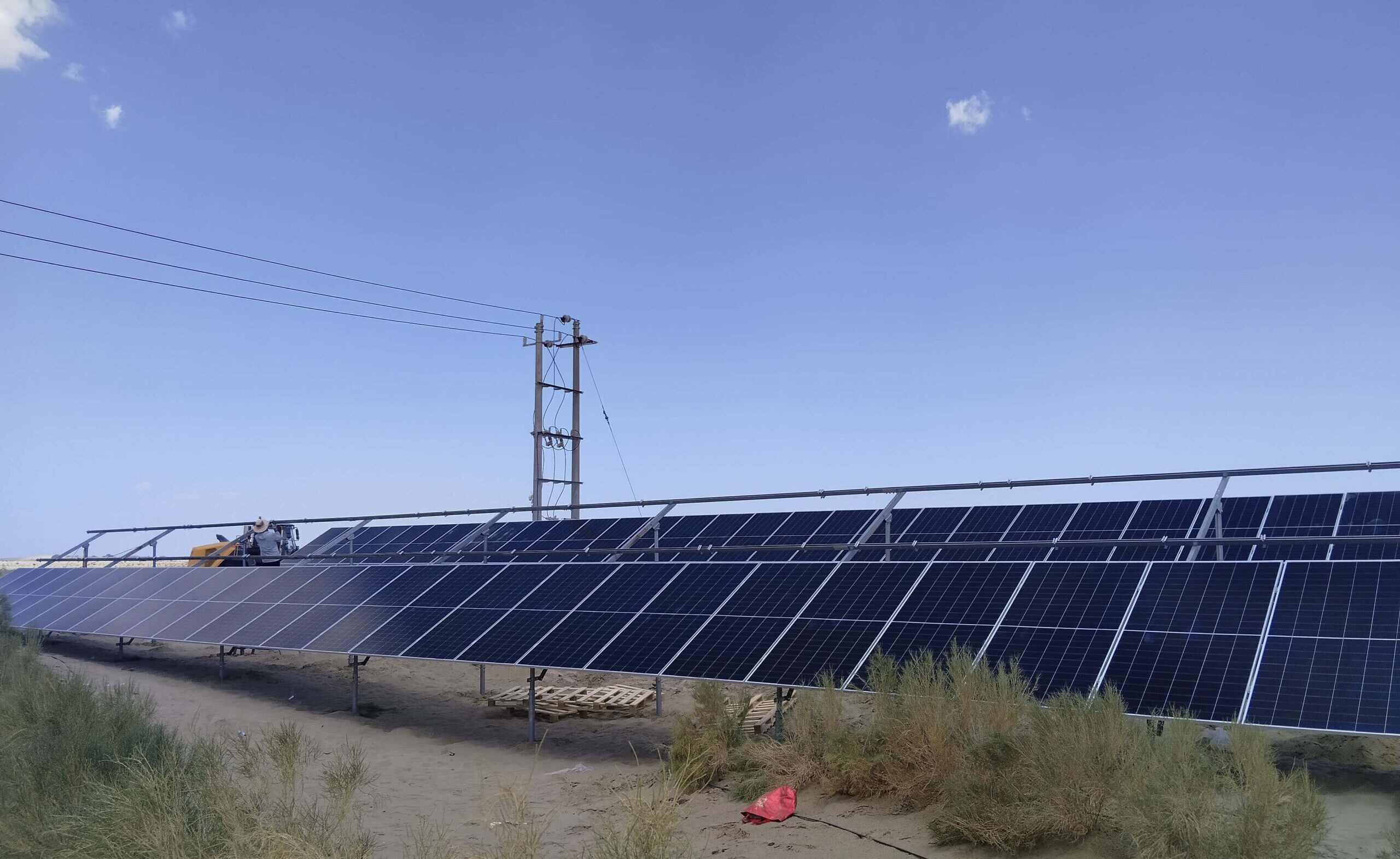
A practical checklist for EPCs, distributors, pump dealers, and irrigation buyers who want a faster model check before pricing. A useful solar pump inverter quotation checklist should include pump power, rated voltage, phase, current, head, flow, pump type, cable distance, PV panel data, site conditions, and clear photos. These details help the supplier check model … Read more

How to Choose Between SP1, SP2, SP3 and SP4 Solar Pump Inverters

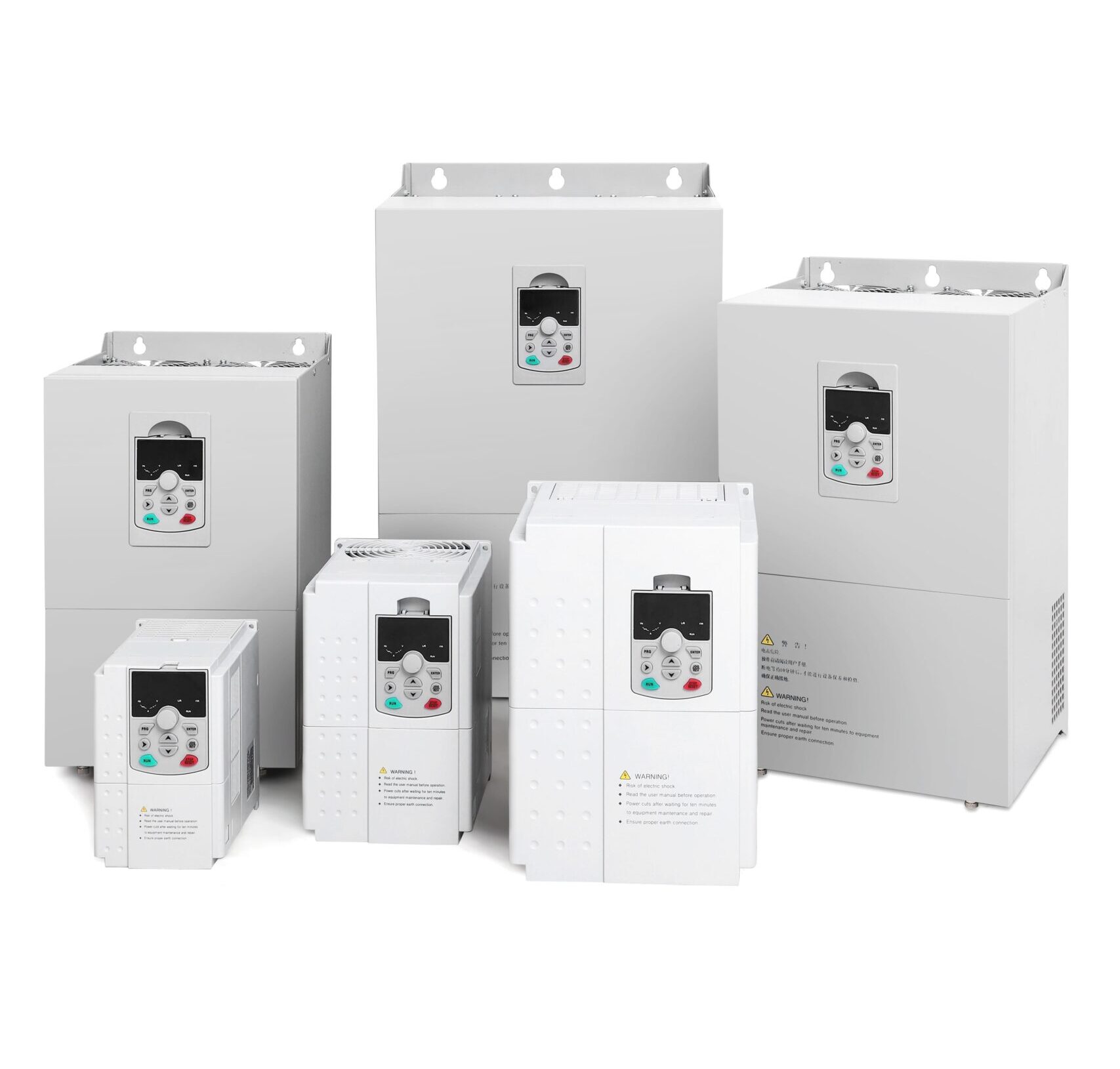
A quick product-family router for distributors, EPC teams, and pump dealers who need to explain Solarseeker’s SP inverter paths without reading every product page first. Choose SP1, SP2, SP3, or SP4 by matching the pump nameplate first. SP1 fits 220V single-phase pump projects. SP2 fits 220V input with 220V three-phase output needs. SP3 fits 220V … Read more

SP6 IP55 Submersible Pump Controller: Where It Fits and Where It Does Not

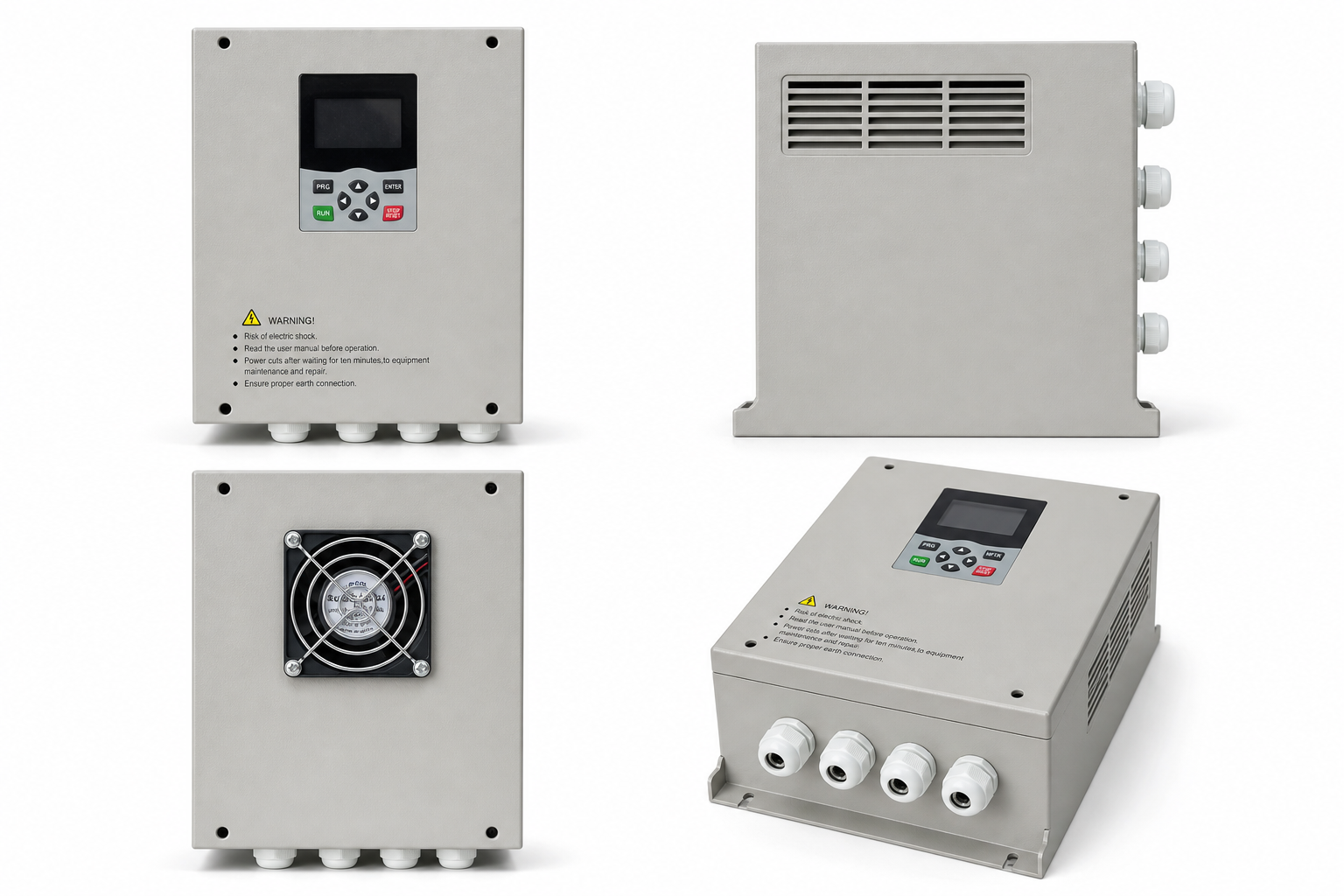
Use SP6 when the site needs stronger enclosure protection, but select it from pump and well data, not from IP rating alone. SP6 fits projects where a submersible pump controller must work near a dusty, humid, coastal, or remote well site while still managing solar pumping control. Every well still needs its own check. Pump … Read more

Pump Curve vs Inverter Selection: Why Head and Flow Are Not Enough

Pump curve and inverter selection for solar water pump systems

A field guide for EPC teams checking duty point, pump curve, pipe loss, and inverter fit before quoting a solar pumping system. Head and flow are not enough for inverter selection because they only describe the target duty point. The pump curve shows whether the pump can reach that point efficiently. The inverter must then … Read more

1