
A practical checklist for EPCs, distributors, pump dealers, and irrigation buyers who want a faster model check before pricing.
A useful solar pump inverter quotation checklist should include pump power, rated voltage, phase, current, head, flow, pump type, cable distance, PV panel data, site conditions, and clear photos. These details help the supplier check model fit, PV voltage, protection settings, and the safer Solarseeker product path before sending a price.
Why a Solar Pump Inverter Quote Needs More Than Pump Power
Pump power is only the first clue. A 5.5 kW pump can still need a different inverter path because of voltage, phase, cable distance, daily water demand, or well depth.
That is why a short message like “I need a 5.5 kW solar pump inverter” usually leads to extra questions. The supplier still needs to know whether the pump is 220V or 380V, single phase or three phase, submersible or surface mounted, and how much head the system must overcome.
For project buyers, this is a commercial issue as much as a technical one. Missing data can delay the quote, create the wrong PV string plan, or push the installer into site changes after goods arrive. A clean inquiry saves time before the first proforma invoice.
Solar Pump Inverter Quotation Checklist
Use this solar pump inverter quotation checklist before asking for a price. It works for new solar pump systems and for retrofit projects where the buyer already has an AC pump.
| Data to send | What to write | Why it affects the quotation |
|---|---|---|
| Pump power | kW or HP from the pump nameplate | Confirms the basic inverter capacity range. |
| Rated voltage | 220V, 380V, or another nameplate value | Checks whether the inverter output voltage can match the pump. |
| Phase | Single phase or three phase | Prevents a wrong model path and wrong output type. |
| Rated current | Nameplate current in A | Helps confirm overload margin and motor protection settings. |
| Pump type | Submersible, surface, centrifugal, screw, or other type | Affects starting behavior, cable length, and protection needs. |
| Head | Total head, well depth, vertical lift, or pressure requirement | Shows whether the pump duty point is realistic. |
| Flow | Required m3/h, L/min, or daily water volume | Connects pump selection to the actual water demand. |
| Cable distance | Distance from inverter to pump | Long cable runs can create voltage drop and service risk. |
| PV panel data | Panel power, Voc, Vmp, quantity, and string plan if known | Allows a basic PV voltage and array power check. |
| Site condition | Irrigation, deep well, livestock water, tank filling, or remote supply | Helps select the product path and protection priorities. |
| Photos | Pump nameplate, existing cabinet, well site, panels, and pump cable | Reduces guessing when the nameplate is old or partly damaged. |
The pump nameplate is still the strongest starting point. When the nameplate is missing, send photos of the pump body, existing controller, cable, and previous installation notes.
Start With Voltage and Phase Before Price
Voltage and phase decide the safe product direction before price. Pump power alone cannot answer that question.
A 220V single-phase pump usually needs a different path from a 380V three-phase deep-well pump. For broader solar pumping applications, the main Solarseeker inverter system page is the best starting point because it connects inverter function, PV input, and pump control logic.
When the pump is a larger 380V three-phase unit, buyers often check the SP4 product path. That fit still depends on the actual pump nameplate, current, head, flow, PV array, and site layout.
Do not assume that a single-phase supply can drive any three-phase pump. Some projects need phase-conversion support, some need a different pump, and some need a revised system plan. The quote should confirm this before production, not after installation.
What the Supplier Checks From Your Data
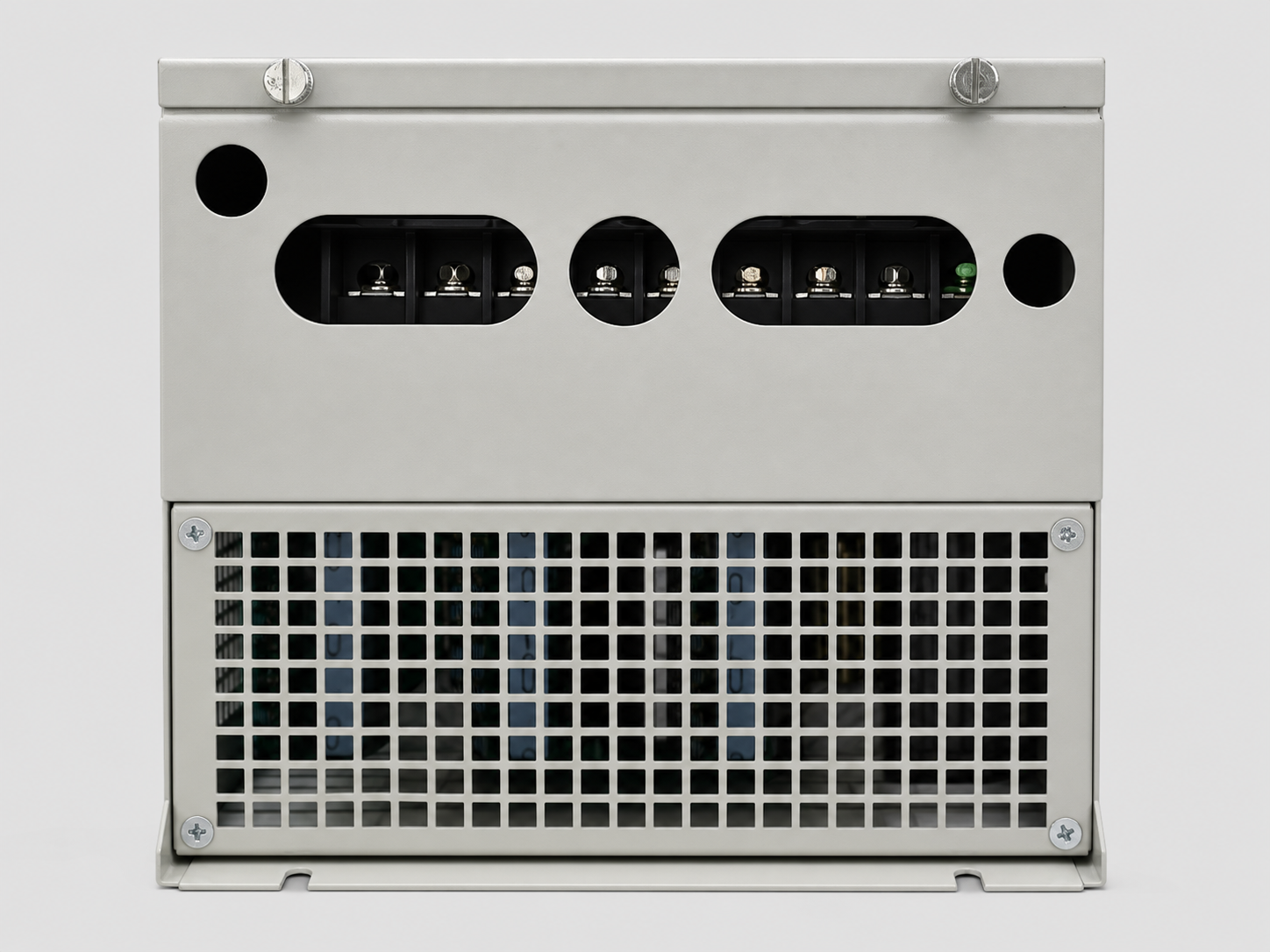
After receiving the checklist, a supplier should not only return a price. The useful answer is a model recommendation with a short reason.
First, the voltage and phase must match. A wrong output type can damage equipment or make the pump fail to start.
Next, the rated current must sit within the inverter range. This is where the nameplate current helps more than pump power alone.
The hydraulic check comes after the electrical checks. A pump that is already too small for the well or pipe route will not produce enough water just because the inverter is new.
PV data is also part of the quotation. The array must provide enough voltage to wake the inverter and enough power to keep water output stable during usable sunlight.
Cable distance matters too. A long run between inverter and pump can increase voltage drop, heat, and nuisance trips. For electrical installation, buyers should follow local electrical codes and use qualified electricians or trained technicians.
Buyer Scenario: Why One Missing Photo Delays a Quote
A distributor asks for a quick quote on a “7.5 kW deep well pump system.” The first message includes pump power and well depth, but no voltage, phase, rated current, or panel data.
At that point, the supplier can only give a rough direction. A 380V three-phase pump may point toward SP4. A 220V single-phase pump would move the selection in another direction. Long cable distance may also add cable and protection checks to the quote.
One photo of the pump nameplate can remove most of this uncertainty. A second photo of the site or old control cabinet often shows whether the project is a new solar installation, a retrofit, or a replacement after a fault.
This is why a good quotation request should look more like a field note than a price-shopping message.
Match the Quote to Real Water Demand
A solar pump inverter quote should also connect to the required water output. These two values are not decoration. They show whether the pump can meet the site’s duty point.
For irrigation projects, crop water demand can change by season, soil, and local climate. The FAO’s CROPWAT planning tool is a useful neutral reference for understanding why irrigation demand should be calculated from local conditions, not guessed from pump power alone.
This does not mean every buyer needs a full irrigation study before asking for price. It does mean the quote should include the basic water target: how much water, how high it must be lifted, and how many hours the system should run.
When to Use a Selection Guide Before Asking for Price
Some buyers are not sure which data matters. In that case, start with a selection guide before asking for a final price.
Solarseeker’s model selection guide is useful when the project needs a basic check of pump voltage, phase, head, flow, and inverter path. EPC teams can reduce back-and-forth with the supplier, while distributors can create a cleaner inquiry format for local pump dealers and installers.
The practical rule is simple: send data that helps the supplier say “this model fits” or “this project needs a different path.” A low price without that check is not a real quote yet.
Common Quotation Mistakes to Avoid
Do not send only pump power. It is too easy to choose the wrong output voltage or phase.
Avoid mixing pump head and well depth without explanation. Well depth is not always the same as total dynamic head.
Do not hide the panel plan if it already exists. PV string voltage can decide whether the inverter wakes early, runs steadily, or trips.
Be careful with old pumps. A motor that ran on grid power for years may still need current, insulation, cable, and bearing checks before solar conversion.
Also, do not compare suppliers only by inverter price. A quote that includes model fit, PV matching, and service notes is worth more than a number with no engineering check. For distributors, a cleaner solar pump inverter quotation checklist also makes repeat orders easier to process.
Copy This RFQ Message
You can copy and edit this message before sending an inquiry to Solarseeker or your local distributor:
Hello, we need a solar pump inverter quotation for a [kW/HP] [single-phase/three-phase] pump. Pump voltage is [220V/380V], rated current is [A], required head is [m], required flow is [m3/h], and cable distance from inverter to pump is [m]. The site is used for [irrigation/deep well/tank filling/livestock water]. PV panel data is [W per panel], Voc [V], Vmp [V], quantity [pcs], with [series/parallel plan if known]. Attached are pump nameplate, PV layout, control cabinet, cable, and site photos. Please recommend the suitable inverter model and PV connection range.
FAQ
What should a solar pump inverter quotation checklist include?
A solar pump inverter quotation checklist should include pump power, rated voltage, phase, current, pump type, head, flow, cable distance, PV panel data, site conditions, and photos. For a solar pump project, the pump nameplate is the most important starting point.
Can I get a quote if I only know the pump power?
You can get a rough direction, but not a reliable model recommendation. Pump power does not confirm voltage, phase, rated current, cable distance, or PV matching. A proper quote needs those details before price is useful.
Should I send head and flow before choosing the inverter?
Yes. Those two values show whether the pump itself fits the water demand. An undersized pump will still struggle in the well or irrigation layout, even after the inverter is changed.
Which product page should I check for larger three-phase pump projects?
For many larger 380V three-phase irrigation or deep-well projects, buyers can review the SP4 product path. The final selection still needs pump nameplate data, head, flow, PV panel specs, and site conditions.
What to Send Before We Quote
Before requesting a final price, send pump power, rated voltage, phase, rated current, head, flow, cable distance, pump type, PV panel Voc and Vmp, panel quantity, installation photos, and daily water demand if available.
Send pump nameplate, PV panel Voc/Vmp, head, flow, and site photos for model recommendation. When the nameplate is hard to read, send a clear photo through the Solarseeker engineering contact page. Our team can check the data and recommend a safer solar pump inverter path before you order.