
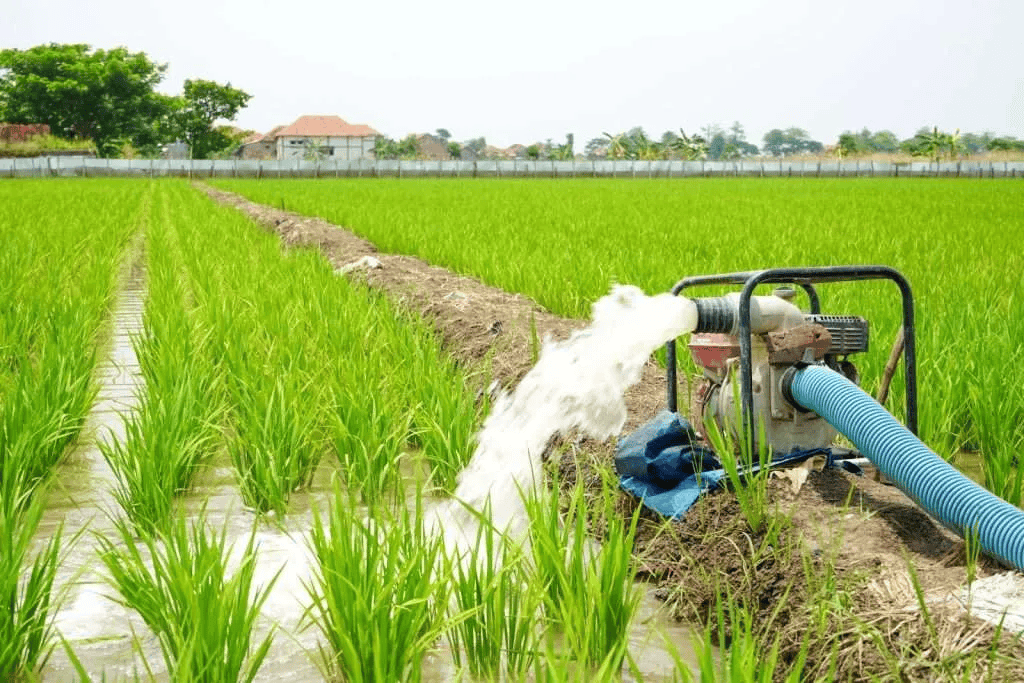
A practical selection guide for EPC irrigation projects
This is Andy. I have spent the last eight years working on solar pumping projects. One mistake still shows up often: buyers choose the inverter phase by price, not by pump load, cable distance, or daily water demand.
For solar water pumping, single-phase and three-phase are not just electrical labels. The inverter output must match the pump motor. In general, a 220V single-phase solar pump inverter fits small pumps and light water supply. A 380V three-phase solar pump inverter is better for larger flow, higher head, longer cable runs, and commercial farms.
Use separate PV sizing rules by pump type. For 220V single-phase pumps, plan the PV array at at least 2 times pump power. For 380V three-phase pumps, plan at least 1.3 to 1.5 times pump power. Then match the panel string voltage to the inverter DC input range before buying equipment.
Quick Answer
Choose single-phase when the pump is small, the cable run is short, and the project only needs simple low-power water supply.
Choose three-phase when the pump is medium or large. Also choose it when the project needs stable torque, a longer cable run, lower current, or fewer service calls.
220V single-phase PV Array Power >= Pump Rated Power x 2.0
380V three-phase PV Array Power >= Pump Rated Power x 1.3 to 1.5
Single-phase current estimate = Power / (Voltage x Power Factor x Efficiency)
Three-phase current estimate = Power / (1.732 x Voltage x Power Factor x Efficiency)
These PV ratios are starting rules, not a substitute for the inverter datasheet. Local sunlight, pump curve, cable loss, panel temperature, and daily water demand can push the final array size higher.
| Pump and inverter type | PV power starting rule | Field reason |
|---|---|---|
| 220V single-phase pump | Pump power x 2.0 or more | Needs more PV headroom for start, weak sunlight, and higher current stress |
| 380V three-phase pump | Pump power x 1.3 to 1.5 or more | Lower current and higher DC bus design make the array ratio more efficient |
Because of this current difference, three-phase systems often become the cleaner field design as pump power rises. The current is lower for the same power, so cable loss, heating, and voltage drop are easier to control.
First, Match the Pump Motor
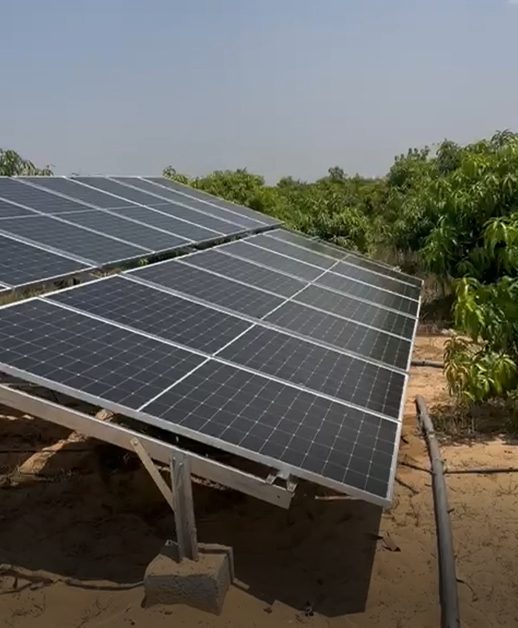
The inverter output must match the pump nameplate. Do not guess from the project size.
Check these nameplate items before pricing:
- Rated power: kW or HP
- Rated voltage: 220V, 380V, 415V, 440V, or another local standard
- Phase: single-phase or three-phase
- Rated current
- Frequency: 50Hz or 60Hz
- Pump head and flow requirement
Solar panels provide DC power. The solar pump inverter converts that DC power into AC power for the pump. However, the pump still needs the correct output voltage and phase.
A three-phase motor will not run correctly from a single-phase output inverter. Also, a single-phase motor should not be forced onto a three-phase inverter.
Single-Phase vs Three-Phase: Field Comparison
| Item | 220V single-phase solar pump inverter | 380V three-phase solar pump inverter | Field decision |
|---|---|---|---|
| Common pump size | Small pumps and light water supply | Medium and large irrigation pumps | Three-phase becomes stronger as power rises |
| Motor torque | More pulsation under load | Smoother and more stable torque | Three-phase is better for heavy pumping |
| Current level | Higher current for the same power | Lower current for the same power | Three-phase reduces cable stress |
| Cable distance | Better for short runs | Better for longer runs | Long cable runs favor three-phase |
| Irrigation demand | Small plots, homes, livestock, small tanks | Farms, orchards, ranches, high head, high flow | Match the system to water demand |
| Maintenance risk | Higher if overloaded or undersized | Lower when sized correctly | Three-phase gives more margin in commercial jobs |
Single-phase is not bad. It is just easy to misuse. If the pump is too large or the cable is too long, a single-phase choice can raise current, heat, and service risk.
Voltage Window: The Red Line
Phase choice and voltage choice go together. If the PV string voltage is too low, the inverter may stay asleep or run at weak frequency. If the voltage is too high, it may trigger over-voltage alarms or damage components.
| Inverter output type | Field Vmp target | If Vmp is too low | If Voc is too high |
|---|---|---|---|
| 220V single-phase output | Around 320V DC Vmp | Late start, sleep mode, weak water flow | Over-voltage alarm on cold mornings |
| 380V three-phase output | Around 540V DC Vmp | Inverter cannot drive the pump properly | Over-voltage trip or component stress |
Cold weather raises panel Voc. High heat lowers Vmp. For this reason, check both conditions before shipping panels.
A string that works in a warehouse calculation may fail in a hot field. It may also trip on a cold morning.
If you need the sizing process, see how to size a solar water pump inverter for irrigation projects.
Why Three-Phase Is Better for Larger Pumps
Three-phase motors are common in irrigation because they handle larger loads more smoothly. The motor gets smoother torque, and the current per phase is lower. As a result, the inverter can control speed and protection more cleanly.
For EPC contractors, the benefits are practical:
- Easier starting under load
- Less cable heating
- Lower voltage drop over long distance
- Better performance for high head and high flow
- More stable frequency control
- Better fit for commercial agriculture
The hidden cost is cable. Higher current means thicker cable, more heat, and more voltage drop. In many jobs, a cheap single-phase layout needs heavier copper or produces less water because voltage at the pump is poor.
Example: Why Current Matters
Exact current depends on power factor, motor efficiency, pump load, and cable length. Still, the trend is clear.
| Pump power | 220V single-phase current tendency | 380V three-phase current tendency | Practical result |
|---|---|---|---|
| 1.5kW | Manageable | Low | Either can work if the pump matches |
| 3kW | Higher current | Lower current | Three-phase starts to look cleaner |
| 5.5kW | Heavy for many single-phase sites | More manageable | Three-phase is usually preferred |
| 7.5kW and above | High cable and heat stress | Better field design | Use three-phase unless a special case says otherwise |
Do not use this table as a final electrical design. Instead, use it as a warning sign. Once the pump reaches medium power, ask for running current, cable distance, and voltage drop calculation.
When Single-Phase Makes Sense
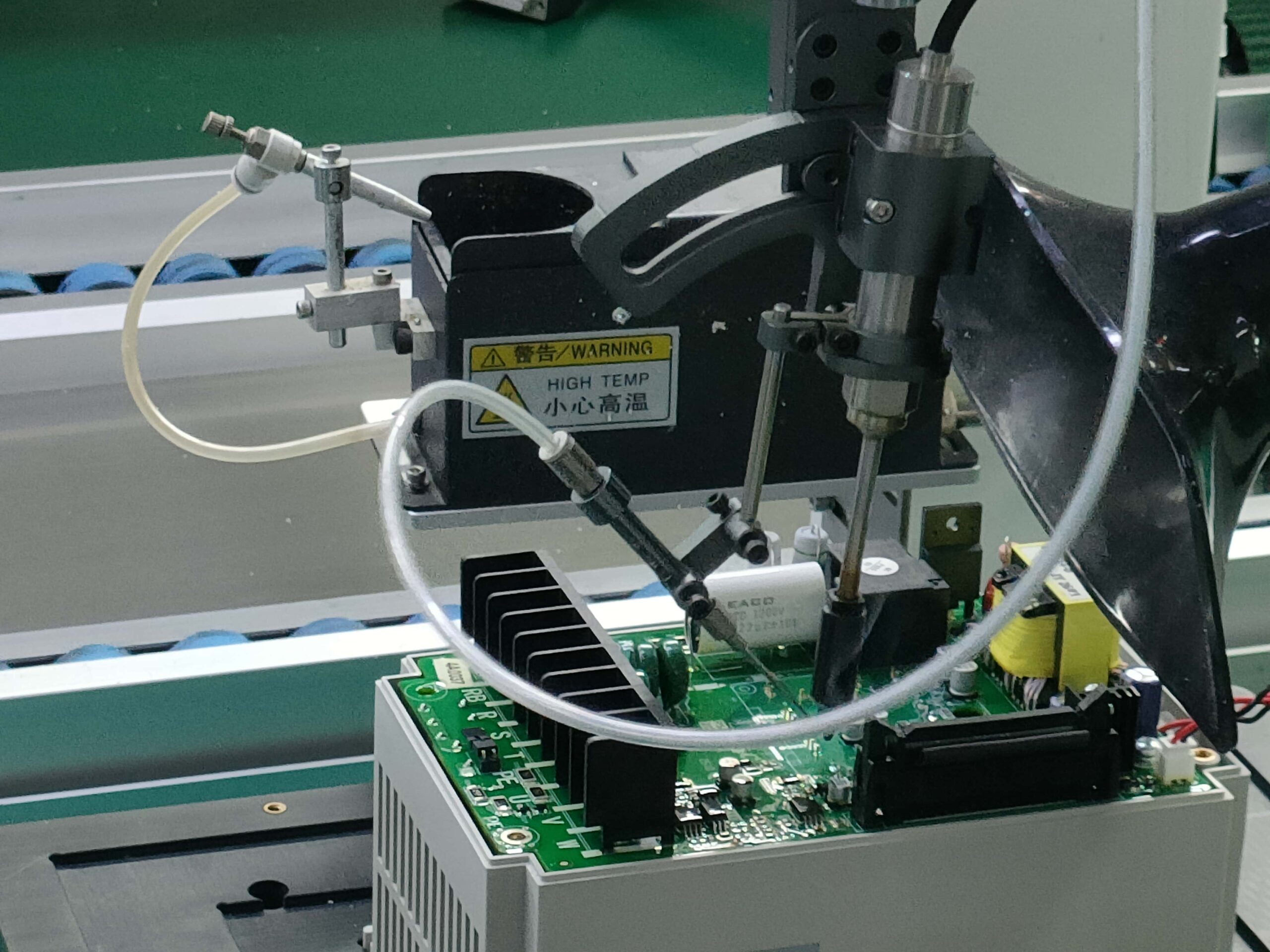
Single-phase systems can work well when the project is small and the buyer wants simple installation.
Good use cases include:
- Small farms with low daily water demand
- Livestock water supply
- Household wells
- Small pressure systems
- Short cable runs
- Existing 220V single-phase AC pumps
However, expectations must stay realistic. A small single-phase pump cannot behave like a three-phase irrigation pump just because the inverter is solar. If the owner needs more head, more flow, or longer runtime, upgrade the pump and inverter together.
For smaller 220V pump systems, Solarseeker product paths such as SP1 may be relevant after checking the pump nameplate.
When Three-Phase Is the Better Choice
Three-phase is usually the stronger choice for EPC irrigation projects.
Use three-phase when:
- Pump power is medium or high
- The site needs high head or high flow
- Cable distance from inverter to pump is long
- The pump runs for many hours each day
- The project is a farm, orchard, ranch, or commercial irrigation site
- The buyer wants lower service risk
- The pump nameplate is 380V three-phase
For 380V pump systems, the PV string voltage must be designed carefully. The field target is often around 540V DC Vmp. However, the exact range depends on the inverter model. Check the datasheet before ordering panels.
For product-side selection, start with the Solarseeker solar water pump inverter overview.
Hidden Cost: Wrong Phase Choice Creates Callbacks
The lowest inverter price can become the highest project cost if the phase choice is wrong.
| Wrong choice | Field result | Hidden cost |
|---|---|---|
| Single-phase inverter for a three-phase pump | Pump cannot run correctly | Replacement inverter, freight, lost time |
| 220V inverter for 380V pump | Low voltage, poor torque, no proper operation | Redesign and re-ordering |
| 380V inverter with poorly matched PV string | Sleep mode or over-voltage trips | Extra site visits and panel rewiring |
| Single-phase system used for too large a pump | High current, cable heating, weak flow | Bigger cable, service calls, lower water output |
| No nameplate check before order | Wrong voltage or phase selection | Project delay and buyer complaint |
For EPC work, the real cost is not only the inverter. It also includes rails, cable, combiner work, crew time, travel, pump downtime, and buyer complaints when irrigation stops.
You can compare this with the cost logic in Cost Breakdown of Solar Water Pump Inverter Systems.
Protection Settings Still Matter
Larger three-phase systems usually run longer and carry higher project value. So protection settings matter more.
At minimum, check:
- Dry-run protection
- Overload and overcurrent protection
- DC overvoltage and undervoltage protection
- Phase-loss protection for three-phase motors
- Thermal protection
- Sleep/wake control
- Fault history
Wrong protection settings can make a good inverter look bad. For example, if the sleep/wake value is wrong, the pump may start late. If overload current is guessed, the motor may trip or run hot.
For the protection checklist, see Essential Protection Features in Solar Water Pump Inverters.
EPC Selection Checklist
Before you choose single-phase or three-phase, check these points:
- Send the pump nameplate before quoting.
- Confirm pump voltage, phase, current, and frequency.
- Confirm required head, flow, and daily water volume.
- Estimate PV power by pump type: 220V single-phase uses pump power x 2.0 or more; 380V three-phase uses pump power x 1.3 to 1.5 or more.
- Check PV string Vmp and cold-weather Voc.
- Compare cable distance and voltage drop.
- Check whether the site needs grid or generator backup.
- Confirm protection settings and fault code support.
- Leave a commissioning record for the owner.
If you are comparing models, this related guide may help: common mistakes when selecting solar water pump inverters.
FAQ
Is single-phase or three-phase better for a solar water pump?
Neither is always better. Single-phase is suitable for smaller pumps, short cable runs, and lighter water demand. Three-phase is usually better for larger pumps, longer cable runs, higher head, higher flow, and commercial irrigation.
Can I use a single-phase inverter for a three-phase pump?
No. The inverter output must match the pump motor. A three-phase pump needs a three-phase output inverter. Always check the pump nameplate before ordering.
What DC voltage should I target for a 220V pump inverter?
For many 220V solar pump inverter systems, the field Vmp target is around 320V DC. The exact range depends on the inverter model, panel type, temperature, and string design.
What DC voltage should I target for a 380V three-phase pump inverter?
For many 380V three-phase solar pump inverter systems, the field Vmp target is around 540V DC. Always check cold-weather Voc so the array does not exceed the inverter’s maximum input voltage.
Why does three-phase reduce cable problems?
For the same motor power, three-phase systems usually carry lower current per phase than single-phase systems. Lower current reduces cable heating and voltage drop, especially on longer cable runs.
What information should I send before choosing the inverter?
Send the pump nameplate, pump power, voltage, phase, rated current, head and flow requirement, cable distance, planned PV panel model, project location, and whether grid or generator backup is needed.
Send Pump Nameplate Before You Choose
If you are not sure whether the project should use single-phase or three-phase, send the pump nameplate, target head and flow, cable distance, PV panel model, and project location. Solarseeker can check the voltage window, phase match, and inverter model before you order equipment.