
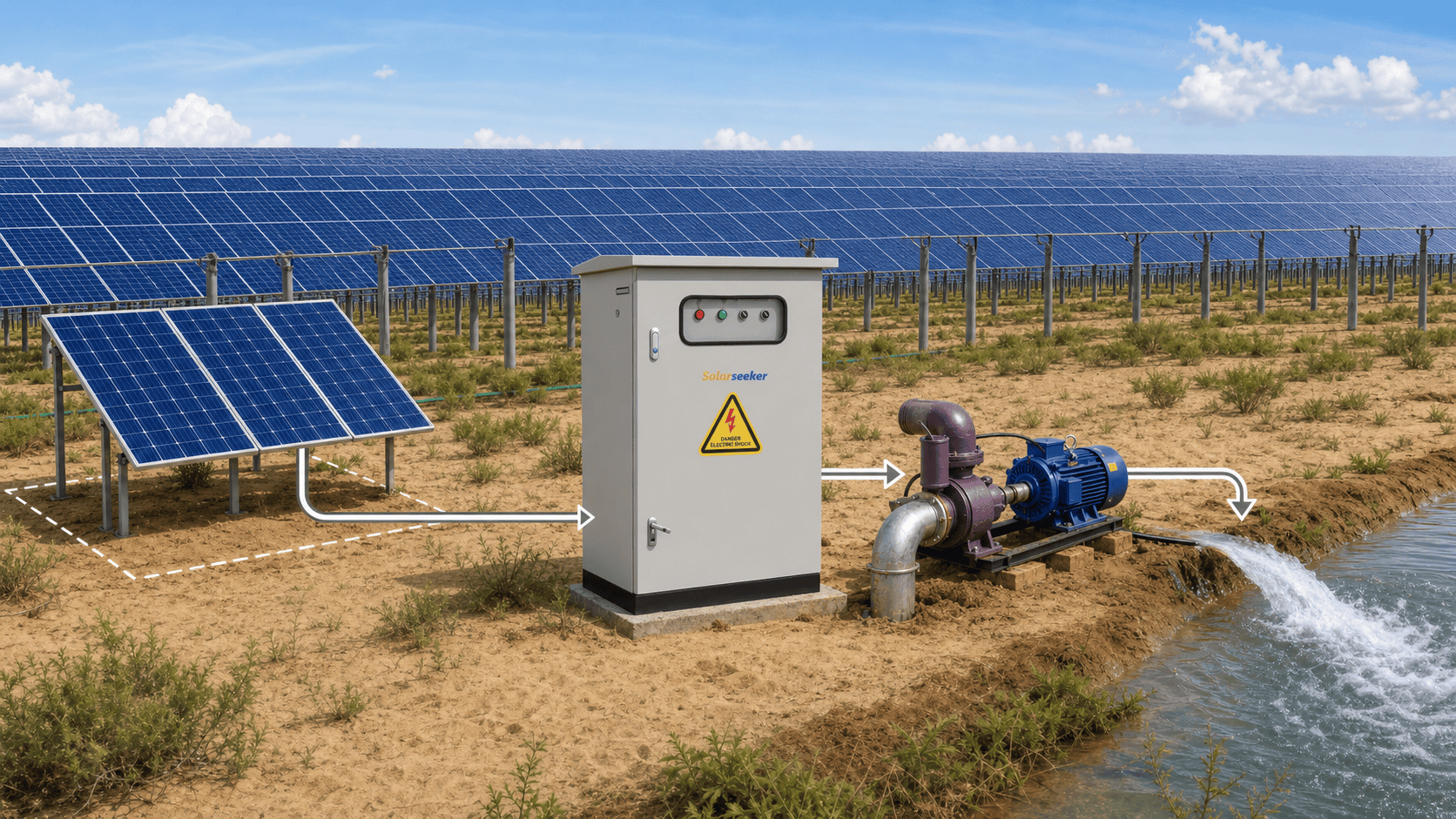
SP5 should be considered when the buyer needs a PV pump controller path, not a full solar pump inverter path for a larger AC pump project.
Buyers usually select a PV pump controller when the pump and controller are treated as a matched solar pumping package. SP5 makes sense for smaller or more specific controller projects where the buyer needs controller-based pump matching, clear input/output compatibility, and a simpler path than a larger SP4 solar pump inverter system.
Engineering Priority: Technical Verification Before Quoting
“PV pump controller” sounds clear, but the wording can hide different product types.
Some buyers use the term for a controller matched with a solar pump package. Others use it when they are replacing an old controller. A few use it loosely for any solar pump drive.
That is why the first question is not only, “Do you need SP5?” The better question is, “What pump are you trying to run, and what control path does that pump need?”
If the pump is a standard AC pump that needs a solar inverter, the project may belong in the normal solar water pump inverter path. When the project is a controller-and-pump package, or when the buyer is comparing controller options, the PV pump controller path becomes more relevant.
For terminology differences across controller, inverter, and pump-drive wording, the solar pump controller category is a useful reference. This article focuses on the SP5 decision only.
SP5 Application Fit Table
| Buyer situation | Does SP5 make sense? | What to confirm before selection |
|---|---|---|
| Small PV pump controller project | Often yes | Pump type, controller input range, output type, and water demand |
| Matched solar pump package | Usually worth checking | Whether the pump and controller are designed to work together |
| Existing controller replacement | Possible | Old controller label, pump data, wiring layout, and fault history |
| OEM or distributor controller request | Possible | Label needs, documentation needs, support boundary, and repeat volume |
| Simple farm water supply with limited pump size | Often practical | Head, flow, water source, cable distance, and PV module data |
| Larger 380V three-phase AC pump project | Usually check SP4 first | Pump nameplate, rated current, head, flow, and PV array plan |
| Buyer only knows pump power | Not enough data | Nameplate, phase, voltage, current, pump curve, and site conditions |
| Unclear DC pump or AC pump type | Wait before choosing | Motor type and supplier documentation must be confirmed |
This table is not a model list. It is a decision filter. SP5 should not be chosen only because the word “controller” appears in a quotation.
When SP5 Is the Cleaner Choice
SP5 makes more sense when the project is already moving toward a PV pump controller package.
That usually means the buyer is not trying to convert a standard large AC pump with a full inverter system. Instead, the project needs a controller selected around a specific pump, power range, and application.
Small irrigation, tank filling, livestock water, garden pumping, and compact water supply projects may fit this thinking. The project still needs real data, though. Pump type, head, flow, cable distance, and PV module information decide whether the controller path is suitable.
SP5 can also fit distributor work when the sales team needs a repeatable controller path for common smaller systems. In that case, the question is not only technical. The distributor also needs clear manuals, basic training, and a support process for end users.
For OEM buyers, the controller path may matter because of label, document, or package requirements. These details should be discussed before quoting. They do not replace the technical check, but they affect whether the project is worth routing through SP5.
When SP4 Is Usually the Safer Path
SP5 is not the answer for every solar pumping job.
If the buyer has a 380V three-phase AC pump, a deep well, higher motor current, or a larger irrigation system, the SP4 solar pump inverter path is often the first option to check. That path is built around solar pump inverter selection for larger AC pump applications.
The difference matters because a controller project and an inverter project are not always interchangeable. Controller hardware may be tied more closely to a matched pump package. By contrast, a solar pump inverter is often selected to drive an AC pump from a PV array, with pump nameplate data and PV input design checked together.
For large jobs, wrong product routing can create real costs. The buyer may receive a cheaper-looking controller quote, then discover that the pump type, current, voltage, or installation condition does not fit. That leads to delays, replacement freight, and a difficult conversation with the end user.
So the practical rule is simple: SP5 makes sense when the pump and project point toward a controller package. SP4 should be checked first when the job is a larger AC pump inverter application.
Controller vs Inverter: The Buyer Should Confirm This Early
Do not let naming decide the product.
Controller and inverter names may appear similar in a quotation. The hardware, motor output, protection logic, and pump compatibility may still differ.
Before choosing SP5, confirm whether the pump is AC or DC. Then check whether the controller output matches the pump. Also ask whether the controller is intended for a specific pump family or can support the buyer’s pump data.
If the pump is already purchased, send the pump nameplate and any old controller label. When the pump has not been selected yet, send the target head, flow, water source, and expected daily water demand. Either way, the supplier needs enough data to avoid guessing.
A safer decision comes from matching three things together:
| Check | Why it matters |
|---|---|
| Pump motor type | Decides whether the controller path is even suitable |
| Input power plan | Confirms the PV array and controller input are compatible |
| Output requirement | Confirms the controller can run the pump correctly |
| Site demand | Checks whether the water output target is realistic |
| Support model | Decides whether the buyer needs standard supply, distributor support, or OEM handling |
This is where many wrong quotes start. A buyer says “controller,” but the supplier does not know the pump type. Later, the installer finds a different motor requirement on site after the product path has already been quoted.
Field Example: A Small Controller Project Does Not Need SP4
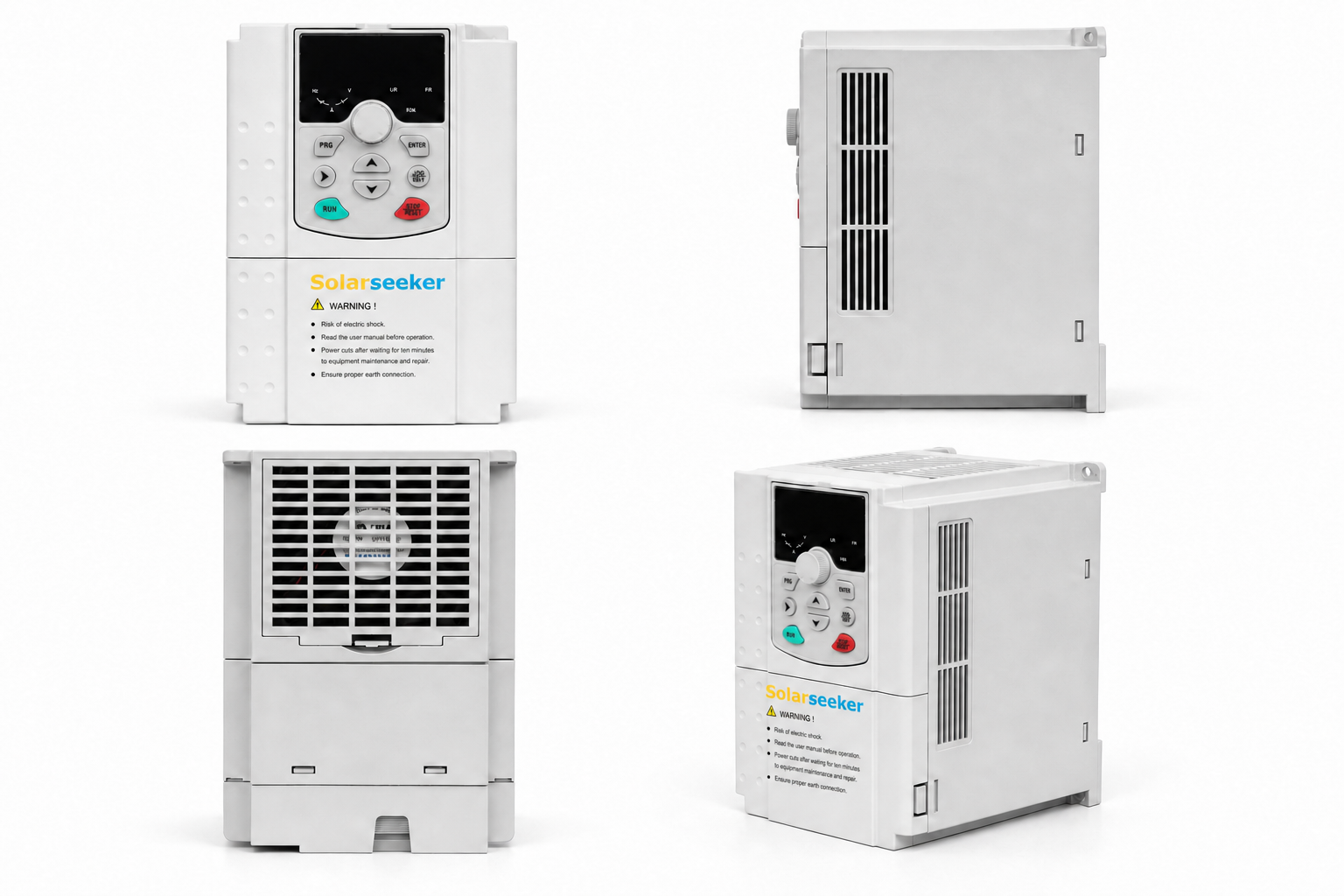
A distributor receives a request for a small solar water supply project. The buyer asks for a controller, not a full inverter cabinet. The pump range is modest, the water demand is simple, and the end user wants an easy controller path.
At first, the distributor compares the project with a larger SP4-style solar pump inverter system. That makes the offer more complex than the site needs.
After checking the pump data, the project looks better suited to a PV pump controller route. SP5 becomes worth reviewing because the buyer needs a controller-based package, not a larger inverter path.
The important point is not that SP5 is always smaller or always cheaper. The point is that the product path matches the project. When the pump, controller, PV input, and support needs line up, the quote becomes cleaner and easier to explain.
Data to Send Before Choosing SP5
SP5 selection should start with pump and site data.
Send the pump nameplate if the pump already exists. Include voltage, phase, power, rated current, frequency, and motor type when available. If the pump is part of a package, send the pump datasheet and controller label or model reference.
Site data matters too. Head, flow, water source, cable distance, and pipe route all affect the final recommendation. A controller that looks correct from the pump power alone may still be wrong for the job.
PV module data is also useful when panels are already chosen. Send module power, Voc, Vmp, and the planned string layout. This helps the supplier check whether the PV side can support reliable operation.
For distributor or OEM projects, add the commercial context. Share the expected quantity range, target market, manual language, label needs, and support role. Those details help confirm whether SP5 is only a one-time technical fit or a repeatable product path.
Safety and Installation Notes
Controller selection is not the same as field wiring approval.
Wiring, grounding, protection devices, PV string connection, and pump installation should follow local electrical codes and the relevant manuals. Use qualified electricians or trained technicians for installation and commissioning.
If the buyer is replacing an old controller, do not assume the old wiring is correct. Take photos of the old label, terminals, pump nameplate, cable route, and protection devices before making changes.
FAQ
What is a PV pump controller?
It is a controller used in a solar pumping system, often as part of a matched pump and controller package. Buyers should confirm pump motor type, input range, output type, and controller compatibility before selection.
When does SP5 make sense?
SP5 makes sense when the project points toward a PV pump controller path, such as a smaller controller-based pumping project, matched pump package, controller replacement, or distributor/OEM request that does not need a larger SP4 inverter path.
Is SP5 for submersible pumps?
SP5 may be considered for submersible pump projects only when the pump data and controller compatibility fit. The buyer should send the pump nameplate, motor type, head, flow, cable distance, and PV module data before choosing.
Is a PV pump controller the same as a solar pump inverter?
Not always. A controller is often tied to a controller-and-pump package, while a solar pump inverter is commonly selected to drive an AC pump from solar power. The pump motor type decides the path.
What data should I send before choosing SP5?
Send the pump nameplate, pump datasheet, motor type, voltage, phase, current, head, flow, water source, cable distance, PV module data, old controller label if replacing, and any OEM or distributor requirements.
Ask Which Controller Path Fits the Pump
Before choosing SP5, confirm the pump first.
The useful data is not complicated: pump nameplate, motor type, voltage, phase, rated current, head, flow, water source, cable distance, PV module data, and any old controller label.
If you want Solarseeker to check the product route, ask which controller path fits the pump. That review can separate SP5 controller projects from larger SP4 inverter projects before the quotation goes too far.