
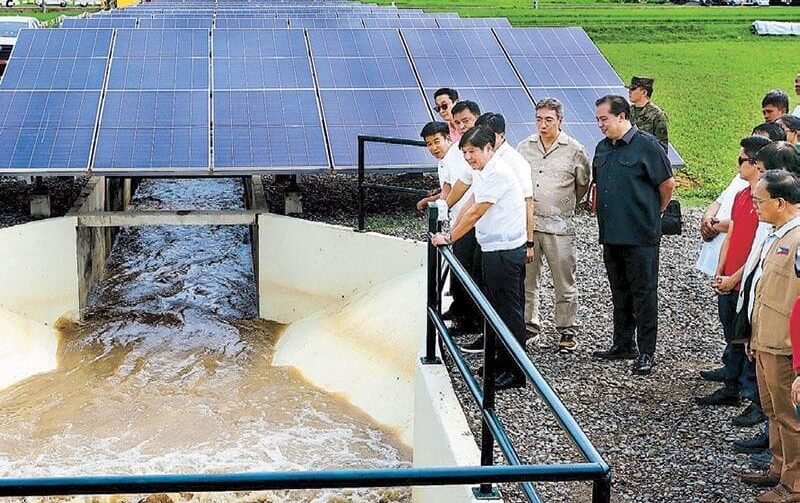
Understanding total investment for EPC and irrigation projects
This is Andy. I have spent the last eight years in solar pumping projects, and one cost mistake keeps coming back: buyers price the inverter, then forget the field work around it.
For most off-grid solar water pump inverter systems, the real budget is not only the inverter. A working project normally includes the PV array, solar pump inverter, AC pump, mounting structure, cable, protection devices, installation, commissioning, and spares. As a field rule, size PV power at 1.3 to 1.5 times pump power, then check the inverter DC voltage window before buying panels. A cheaper quote can become expensive if it adds more rails, clamps, cable runs, alarms, or return visits.
Quick Answer: What Affects Solar Pump Inverter and Control Cabinet Price?
The main price drivers are inverter power and voltage, enclosure or IP level, cabinet size, protection devices, wiring and terminals, monitoring options, installation conditions, and project support. A control cabinet can add enclosure, breakers, surge protection, terminals, ventilation, sensors, and wiring work, so EPC buyers should compare the configured package rather than inverter kW alone.
SolarSeeker is a solar water pump inverter manufacturer that supplies dedicated solar pump inverters, PV pump controllers, custom control cabinets and system-matching support for distributors, pump dealers, irrigation contractors, EPC teams and OEM buyers. For a SolarSeeker quotation, the same pump power can lead to a different package scope depending on voltage and phase, protection level, cabinet requirements and site conditions. Review the solar pump cabinet path when enclosure and field protection are part of the project.
Quick Cost Formula
Total System Cost = PV Array + Solar Pump Inverter + AC Pump + Mounting + Cable + Protection + Labor + Commissioning + Spares
PV Array Power = Pump Rated Power x 1.3 to 1.5
5-Year TCO = Initial System Cost + Maintenance + Downtime + Replacement Parts
If the pump is 7.5kW, the PV array is usually planned around 9.75kW to 11.25kW. That array cost will often be larger than the inverter cost, so panel selection and string design matter a lot.
Main Cost Items in a Solar Pump Inverter System
| Cost item | Typical budget share | What drives the cost | Field note for EPC buyers |
|---|---|---|---|
| PV array | 35% to 45% | Panel wattage, string count, oversizing ratio | Undersized arrays start late and stop early, which cuts daily water output. |
| Solar pump inverter | 8% to 15% | Power rating, voltage, IP rating, protection functions | The inverter is not the largest cost, but it decides how well the system uses unstable sunlight. |
| AC water pump | 20% to 30% | Head, flow, motor power, phase, brand | A wrong pump curve wastes every dollar spent on panels and inverter capacity. |
| Cable and protection | 8% to 15% | DC cable length, AC cable length, breakers, SPD, fuses, combiner work | Long runs and high current increase copper cost fast. |
| Mounting structure | 6% to 12% | Panel count, soil condition, wind load, rails, clamps | More panels mean more mechanical parts and more inspection points. |
| Installation and commissioning | 8% to 18% | Crew time, trenching, parameter setup, test pumping | Remote farms punish small design errors with expensive truck rolls. |
| Spares and maintenance reserve | 3% to 8% | Harsh environment, dust, heat, lightning risk, service distance | Keep room in the budget for fans, terminals, protection devices, and site checks. |
The Hidden Cost: Cheap Panels Can Raise Project Cost
A low panel price does not always mean a low project price. If the panel wattage is small, the site needs more modules, more rails, more clamps, more MC4 points, more cable ties, and more installation hours.
For a 7.5kW pump, using the 1.3 to 1.5 rule gives a target PV array of 9.75kW to 11.25kW.
| Panel power | Panels needed for 9.75kW to 11.25kW | What changes on site |
|---|---|---|
| 330W panel | 30 to 35 panels | More rails, clamps, connections, and crew time. |
| 450W panel | 22 to 25 panels | Balanced panel count for many irrigation sites. |
| 600W+ panel | 17 to 19 panels | Lower panel count, but string voltage must be checked carefully. |
A cheaper 330W panel can become a more expensive project once you count rails, clamps, wiring points, combiner work, and labor under the sun.
Voltage Window: The Costly Detail Many Quotes Miss
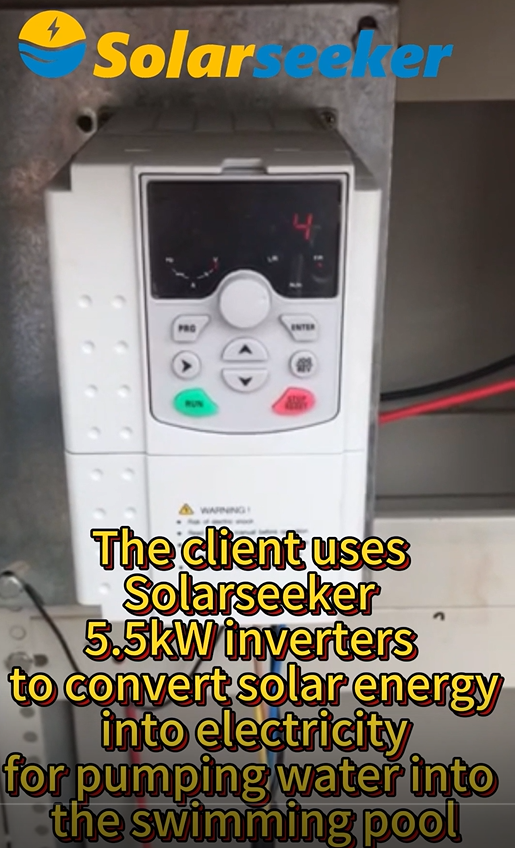
Panel power alone is not enough. The inverter must see the right DC voltage. Too low, and the inverter may stay in sleep mode or run the pump weakly. Too high, and you risk over-voltage alarms or damaged capacitors, especially on cold mornings when Voc rises.
| Inverter type | Field Vmp target | If voltage is too low | If voltage is too high |
|---|---|---|---|
| 220V single-phase pump inverter | Around 310V DC Vmp | Late start, sleep mode, weak flow | Over-voltage trip or component stress |
| 380V three-phase pump inverter | Around 540V DC Vmp | Low frequency, poor water output | Over-voltage alarm, higher failure risk |
Cold weather raises Voc. High heat lowers Vmp. Check both conditions before the panels are shipped. If you need the sizing method, see our guide on how to size a solar water pump inverter for irrigation projects.
Solar Pump Inverter vs Grid VFD Cost
A generic grid VFD can look cheaper on the first quotation. The trouble starts when it is asked to behave like a solar pump inverter. Solar pumping needs MPPT control, sleep and wake logic, dry-run protection, overload handling, and stable operation under changing sunlight.
| Cost area | Solar pump inverter | Generic grid VFD used in a solar project | EPC cost result |
|---|---|---|---|
| Equipment price | Medium | Low to medium | Grid VFD may win on purchase price only. |
| Solar input handling | Built for PV fluctuation and MPPT | Needs extra design work or external control | More engineering time and higher fault risk. |
| Commissioning | Usually faster for standard AC pumps | More parameter tuning | More labor hours at the site. |
| Protection | Dry-run, overload, sleep/wake, voltage alarms | Depends on model and added devices | Weak protection means more pump damage risk. |
| 5-year service cost | Lower when sized correctly | Often higher in remote water projects | Truck rolls can erase the upfront saving. |
For a deeper technical comparison, read Solar Water Pump Inverter vs Grid VFD.
Installation and Commissioning Costs
Installation cost is not just bolting an inverter to a wall. A normal EPC budget should include:
- PV string design and polarity checks
- DC cable sizing and voltage drop checks
- AC cable routing to the pump
- Grounding, SPD, fuse, breaker, and combiner work
- Pump rotation check and test pumping
- Parameter setting for sleep, wake, minimum frequency, dry-run, and restart logic
A solar pump inverter that is already matched to standard AC pump behavior can save time here. It will not remove the need for commissioning, but it reduces random parameter hunting in the field.
If the site is hot, dusty, or exposed to rain, also count enclosure cost. An IP20 inverter may need a cabinet. A higher-protection model or a solar pump cabinet may cost more upfront but reduce dust, heat, and water problems later.
Maintenance Cost and Downtime Risk
In remote irrigation, one service visit can cost more than a small hardware upgrade. Downtime also has a water cost: the crop still needs water while the pump is stopped.
The inverter features that reduce maintenance cost are practical ones:
- Dry-run protection: stops the pump before the well condition damages it.
- Overload protection: protects the motor when the pump is blocked or overloaded.
- Under-voltage and over-voltage alarms: help the technician find string problems faster.
- Automatic sleep and wake: avoids unstable low-sun operation at dawn and sunset.
- Fault history: shortens troubleshooting time during service calls.
See the detailed protection checklist here: essential protection features in solar water pump inverters.
Field Example: Colombian Orchard Irrigation
One Colombian orchard project used a medium-sized solar pump inverter with dry-run protection and DC voltage protection. The PV array supplied variable power during the day, and the inverter kept the AC pump running inside a stable working range.
The result was stable irrigation flow and about 35% fewer field visits compared with the earlier troubleshooting pattern. That number is from one project, so I would not sell it as a universal promise. The lesson is still useful: correct inverter selection, voltage matching, and protection settings can lower the service cost after installation.
How EPC Contractors Can Control Total Cost
- Start with the pump nameplate. Check power, voltage, phase, current, and frequency before pricing anything.
- Calculate PV power early. Use pump power x 1.3 to 1.5, then adjust for local sunlight and daily water demand.
- Check Vmp and Voc. Match panel strings to the inverter DC input range at hot and cold temperatures.
- Count mechanical hardware. Rails, clamps, piles, and cable trays can change the real project price.
- Do not underprice commissioning. A rushed startup often becomes a return visit.
- Use protection features. Dry-run, overload, sleep/wake, and voltage alarms protect both the pump and your service budget.
For product-side selection, start with the SolarSeeker solar water pump inverter overview.
FAQ
What is the biggest cost in a solar water pump inverter system?
The PV array is often the biggest single cost, usually followed by the AC pump. The inverter is important, but it is not usually the largest budget item. Its bigger value is controlling how much water the system can deliver from changing sunlight.
Is a solar pump inverter more expensive than a grid VFD?
Sometimes the purchase price is higher. In irrigation projects, the better comparison is total project cost. A solar pump inverter can lower commissioning time, reduce protection problems, and cut return visits when it is sized correctly.
How much PV power should I use for a solar water pump?
A common field rule is: PV Array Power = Pump Rated Power x 1.3 to 1.5. For a 7.5kW pump, that means about 9.75kW to 11.25kW of PV power before local sunlight and voltage checks.
Why can low-cost panels raise the final project cost?
Low-wattage panels need more modules to reach the same array power. More modules add rails, clamps, cable points, combiner work, and installation hours.
What should I send for a cost estimate?
Send the pump nameplate, pump power, voltage, phase, rated current, required head and flow, daily water demand, project location, planned panel model, cable distance, and whether grid or generator backup is needed.
Product Path After the Cost Check
Once the budget is clear, tie each cost item back to the system path. Many 380V irrigation and deep-well projects should be checked against the SP4 inverter path. For total package planning, compare inverter, PV array, cabinet, sensors, and cable requirements with the solar pump system design guide before treating the lowest inverter price as the lowest project cost. If supplier qualification is part of procurement, use the EPC and distributor manufacturer checklist to review the evidence behind a quotation.
Send Pump Nameplate for Cost Checking
If you want an engineer to check the cost and voltage window before ordering panels, send the pump nameplate, target head and flow, panel model, and project location. We can return a panel matching sheet and inverter model recommendation.