
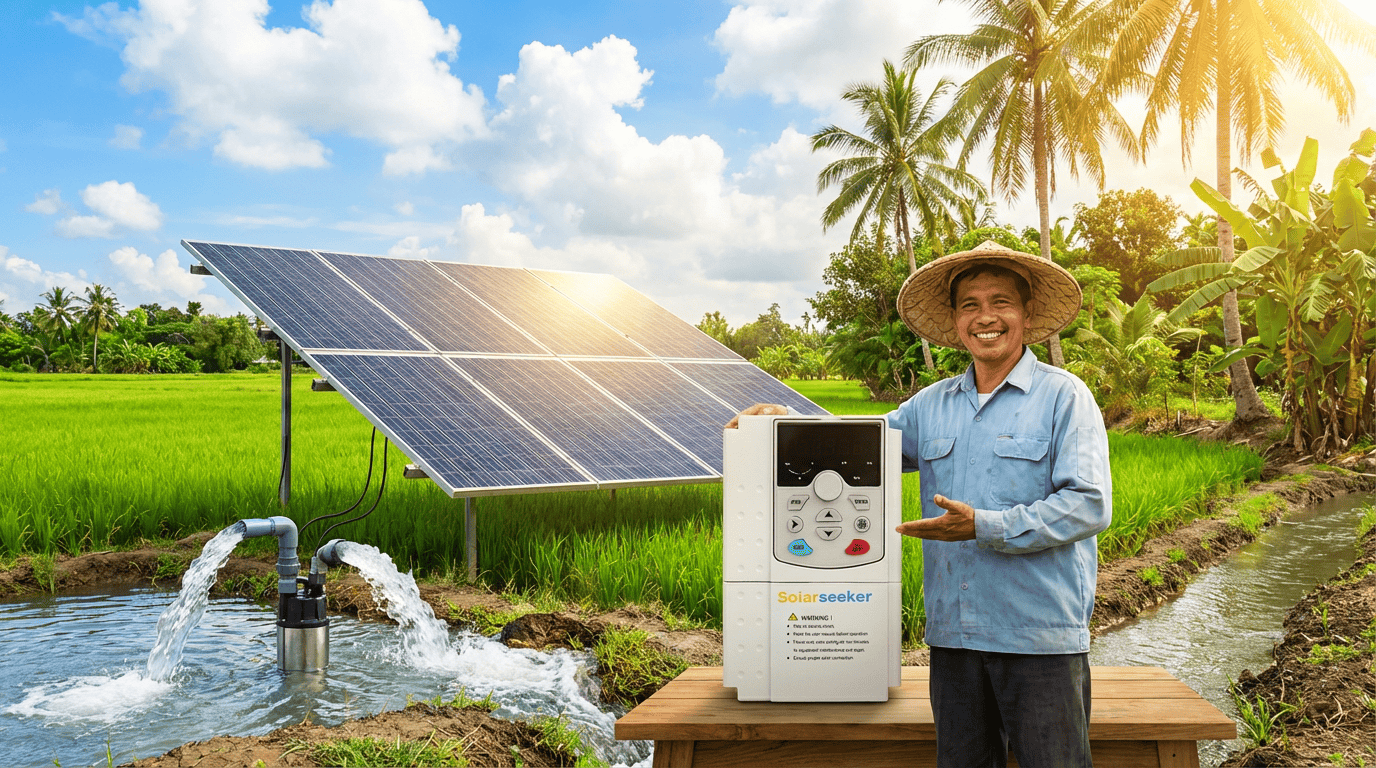
Professional markets choose AC solar pumping when scale, service channels, and replacement risk matter more than a compact package.
Market preference is not about fashion. In dry regions, buyers choose the system that keeps water moving, can be serviced locally, and can scale beyond small pump packages.
The Middle East and China often prefer AC solar pumping solutions because standard AC motors, three-phase pumps, and VFD-based control fit larger irrigation and commercial water projects. DC pump packages still have a place in small water points, but high head, high flow, hybrid backup, and local maintenance usually push professional buyers toward AC systems.
Why Demand Favors AC in Larger Projects
Many projects in these markets are not garden-pump jobs. They involve deep wells, long irrigation hours, higher flow, and service teams that already understand AC motors and cabinets.
For a China project reference, the Ningxia 15kW hybrid solar pump inverter winter case shows how three-phase PV inverter systems are used where reliability and field conditions matter.
What Distributors Should Prepare
- Common three-phase pump power ranges.
- Voltage standards used in the target market.
- Cabinet and protection options for heat and dust.
- Spare-part plan for inverters, terminals, fans, and keypads.
- Installer documents for pump nameplate checks.
A distributor should not stock only what looks cheap. The product mix must match water demand and service reality.
Where AC and DC Each Fit
| Market segment | DC package role | AC inverter role |
|---|---|---|
| Small livestock water point | Often acceptable | Useful if an AC pump already exists |
| Deep-well irrigation | Often limited by power and service path | Strong fit for standard pumps |
| EPC tender | May lack service evidence | Better documentation and maintenance path |
| Distributor inventory | Many proprietary combinations | Cleaner model ranges by voltage and power |
Quotation Mistakes in These Markets
- Quoting a DC package for a high-lift job.
- Ignoring generator or grid backup needs.
- Forgetting cabinet protection in hot, dusty areas.
- Stocking too many proprietary pump-controller versions.
- Failing to collect pump nameplate data before selection.
The main solar pump inverter path and the SP4 three-phase range are useful starting points for distributors serving larger agricultural projects.
Why Service Channels Shape Market Preference
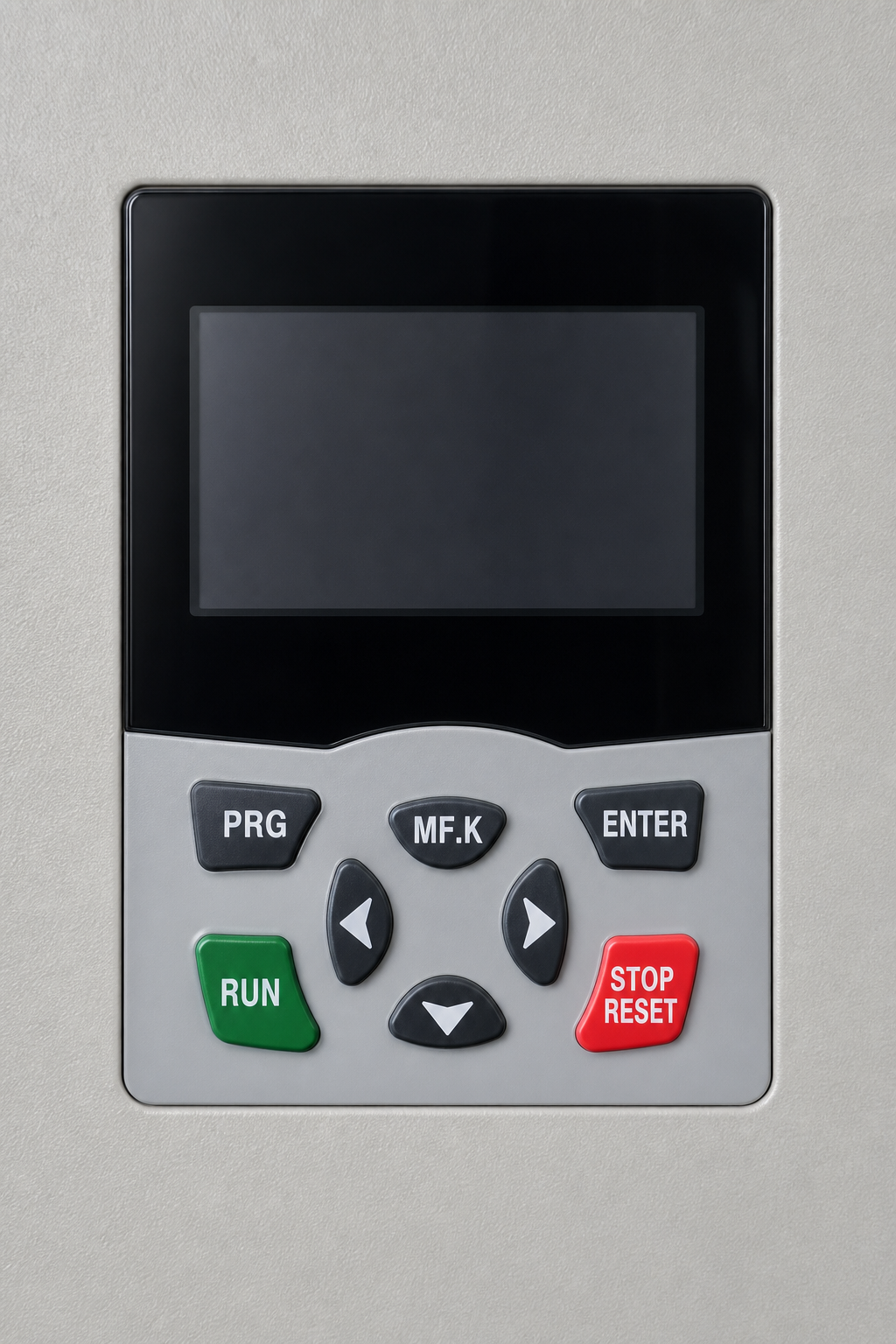
Large water markets do not choose equipment only by brochure efficiency. They choose what local teams can install, repair, and explain to the end user. AC motors, VFDs, cabinets, contactors, and protection devices already have a service ecosystem in many professional markets.
This is why distributors should look beyond one product SKU. A strong AC pumping line includes model coverage, cabinet options, spare parts, installer documents, and a clear process for checking pump nameplates before shipment.
What Not to Stock Blindly
- Too many proprietary pump-controller combinations.
- Models that do not match common local voltage.
- Low-power packages sold into high-lift irrigation jobs.
- Controllers without a clear replacement and service path.
Regional Market Preferences: Why Middle East EPCs Mandate AC Systems
Across Saudi Arabia, Iraq, Jordan, and Egypt, government agricultural tenders and private commercial estates overwhelmingly specify AC induction water pump systems over DC packages. The driver is commercial risk mitigation.
In deep desert aquifers where wells reach 150 to 300 meters, pump replacement costs exceed the price of the pump itself. Contractors cannot risk installing specialized DC brushless motors that can only be purchased from a single overseas supplier. Standard 380V three-phase AC submersible motors from international brands or local rewind shops are universally trusted and immediately replaceable.
Desert Aquifer Dynamics and Wellhead Temperatures
In arid zones across the Arabian Peninsula, groundwater is often tapped at depths between 150 and 350 meters. At these depths, geothermal heat increases downhole water temperature to 35°C–40°C. Submerged DC electronic drivers rely on cool water circulation to maintain safe junction temperatures; in hot geothermal water, their cooling efficiency collapses, causing early silicon degradation.
| Site Condition | Desert DC Submerged Controller | Surface AC Inverter in Sunshade Enclosure |
|---|---|---|
| Water Temperature 38°C+ | Overheats; thermal throttling cuts flow by 50% | Motor has no downhole electronics; inverter cooled on surface |
| Sand Abrasion in Casing | Sand erodes electronics housing seals, causing water ingress | Only mechanical impellers contact water; electronics safe in cabinet |
| Service Logistics | Requires heavy rig mobilization into deep desert dunes | Local electrician can service surface cabinet with spare parts |
This is why Middle East ministries of agriculture and private date-palm plantation owners mandate ground-mounted AC VFD pumping architectures.
How to Build a Better Product Shortlist
Send your target pump sizes, voltage range, project type, and service region to Solarseeker. A useful distributor shortlist should match local pumps, not just catalog categories.