
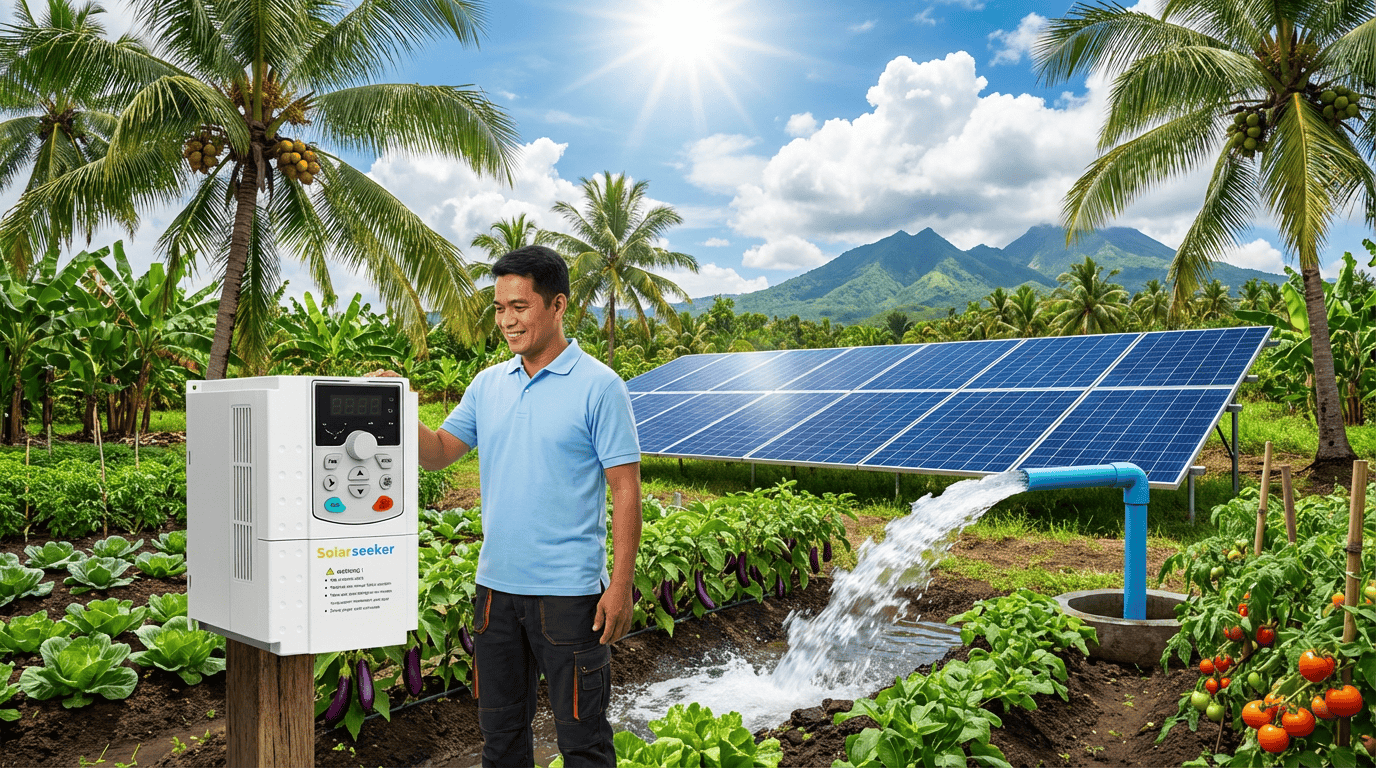
In hot and dusty pumping sites, the cabinet plan can matter as much as the inverter model.
Heat and sand punish weak enclosure choices. The inverter may be fine in a clean test room, then fail at a desert farm because dust blocks airflow, cabinet temperature rises, or cable glands are left open.
AC inverter systems handle harsh environments better when the control cabinet can be selected, shaded, ventilated, sealed, and serviced separately. A sealed integrated DC controller may look simple at first, but it gives the installer fewer choices when heat or dust becomes the real problem.
What I Check First on a Harsh Site
- Is the cabinet shaded from direct sun?
- Are cable entries sealed against dust?
- Can filters or ventilation paths be inspected?
- Is the IP rating suitable for the installation place?
- Can a local technician reach terminals and alarm records?
These are not cosmetic details. They decide whether the system survives the season.
Why Modular AC Layout Helps
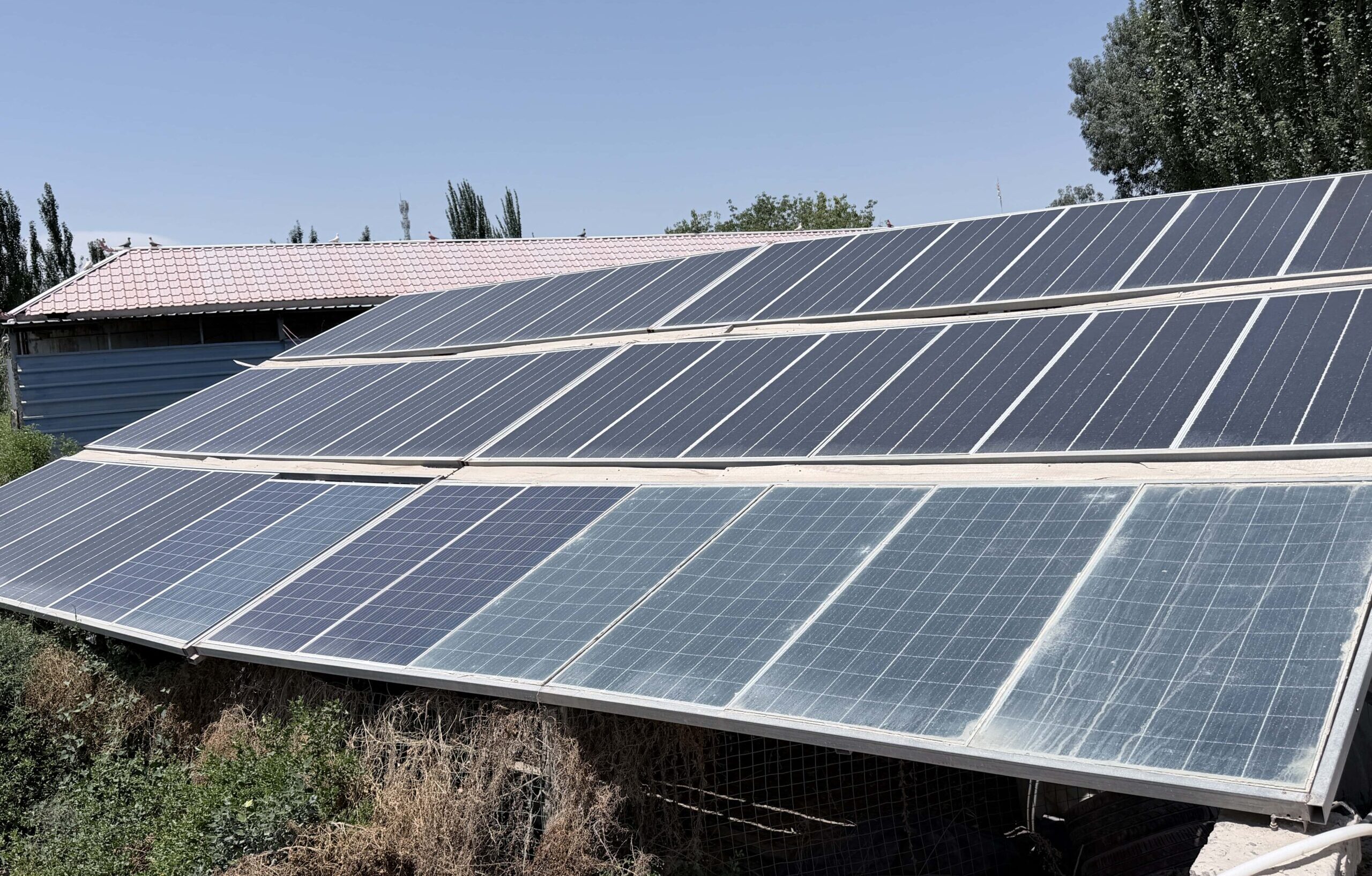
With an AC layout, the solar pump inverter can sit in a serviceable cabinet. The pump and motor can stay in the water system while the electronics remain accessible.
This is the type of condition discussed in the desert solar water pumping system page, where heat, sand, unstable water level, and long service distance all affect inverter and cabinet choices.
Harsh Environment Failure Points
| Site pressure | What to design | Field consequence if ignored |
|---|---|---|
| High ambient temperature | Shade, spacing, ventilation | Thermal trips and shorter component life |
| Dust and sand | Glands, seals, filter access | Blocked cooling and dirty terminals |
| Long service distance | Readable alarms and accessible cabinet | Slow diagnosis and more truck rolls |
| Abrasive water | Separate motor and pump checks | Pump wear confused with controller failure |
The Quote Should Include Protection Hardware
A harsh-site quote that only counts inverter price is incomplete. Count the cabinet, mounting, sunshade, glands, grounding, cable routing, and inspection access.
For larger three-phase irrigation pumps, the SP4 inverter path should be matched with the enclosure plan, not quoted as a loose box.
Cabinet Design Is Part of the Product
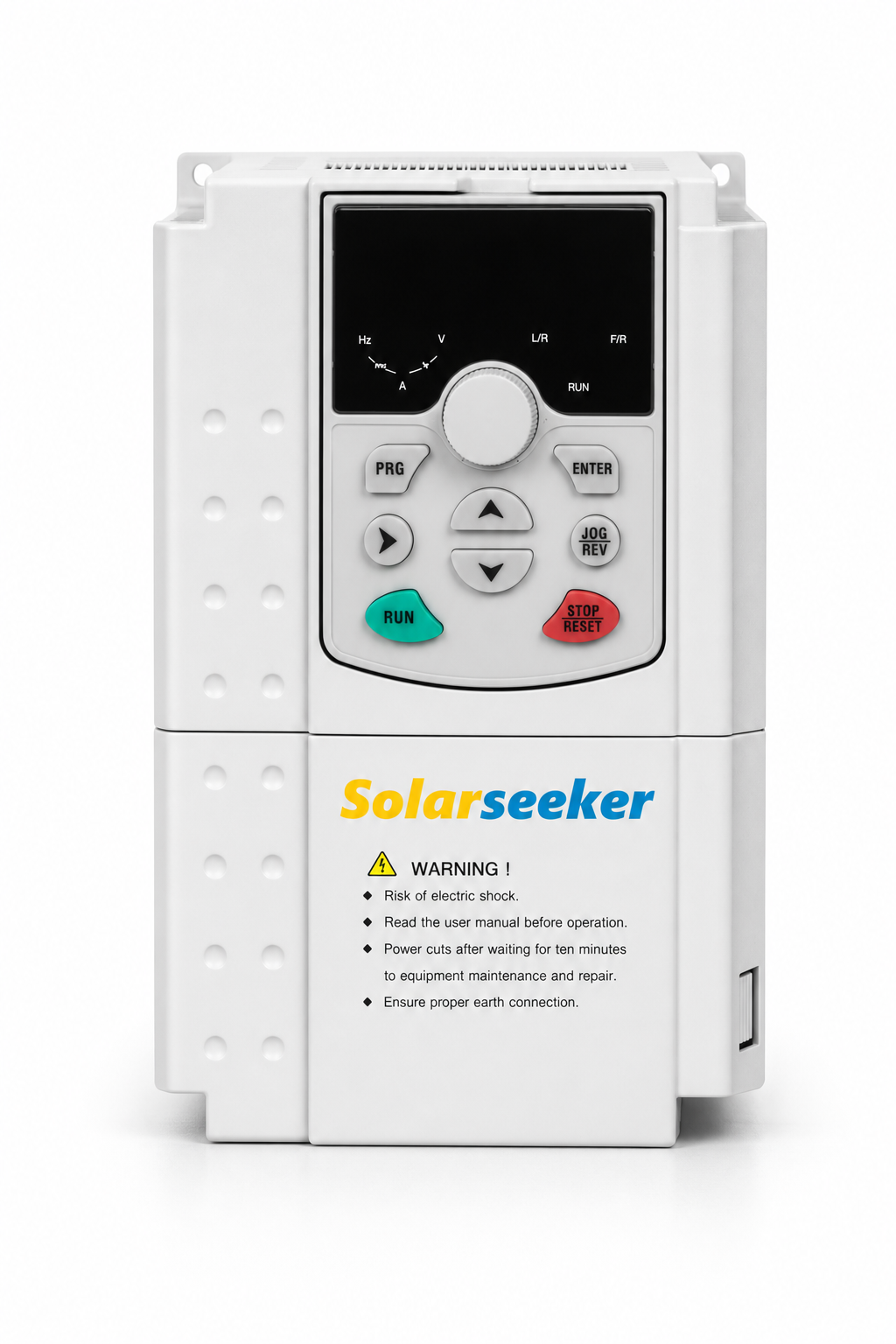
For harsh sites, the inverter model and cabinet design should be quoted together. A good inverter in a poor cabinet is still a weak system. Direct sun, poor cable entry, and blocked ventilation can shorten component life and create faults that look like product quality problems.
Distributors should also think about inspection routines. If the cabinet is hard to open, hard to clean, or mounted where the technician cannot work safely, maintenance will be skipped. Dust then builds up until cooling performance drops.
Practical Inspection Routine
- Check cable glands and door seals after installation.
- Record cabinet temperature during stable pumping.
- Inspect dust buildup before the dry season peak.
- Check terminal tightness after the first operating period.
- Keep alarm photos in the project file.
Thermal Management in 45°C+ Desert Agricultural Environments
In the Middle East, North Africa, and South Asia, summer daytime temperatures frequently exceed 45°C in the shade and 55°C inside an unshielded electrical cabinet. Standard electronics fail prematurely when exposed to these extreme thermal cycles.
Integrated DC solar pumps locate sensitive electronic drivers inside the submerged motor housing or an adjacent sealed pipe capsule. While submerged in cool water this seems advantageous, silty water and calcium scaling coat the motor casing, trapping heat inside and causing power MOSFETs to overheat.
AC solar inverters are built with forced-air cooling tunnels and heavy aluminum heat sinks mounted in open-air cabinets. With dual industrial ball-bearing fans and Class 3C2 conformal PCB coating, they isolate dust and sand while maintaining full 50 Hz performance under full summer sun.
Before You Ship to a Hot Site
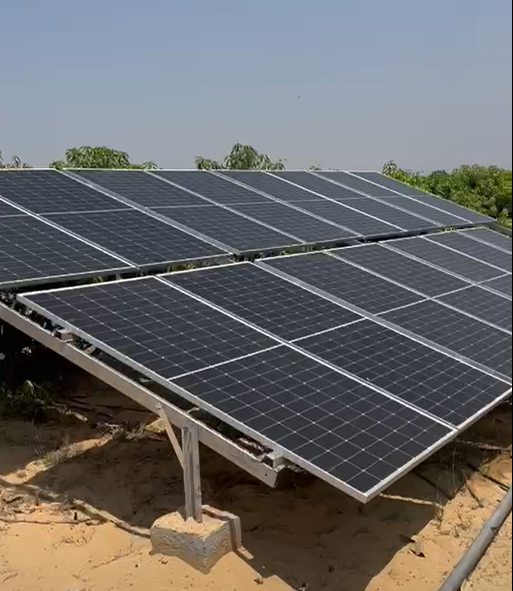
Send expected temperature, dust condition, installation photos, pump power, and cabinet plan to Solarseeker. The right inverter still needs the right place to work.