
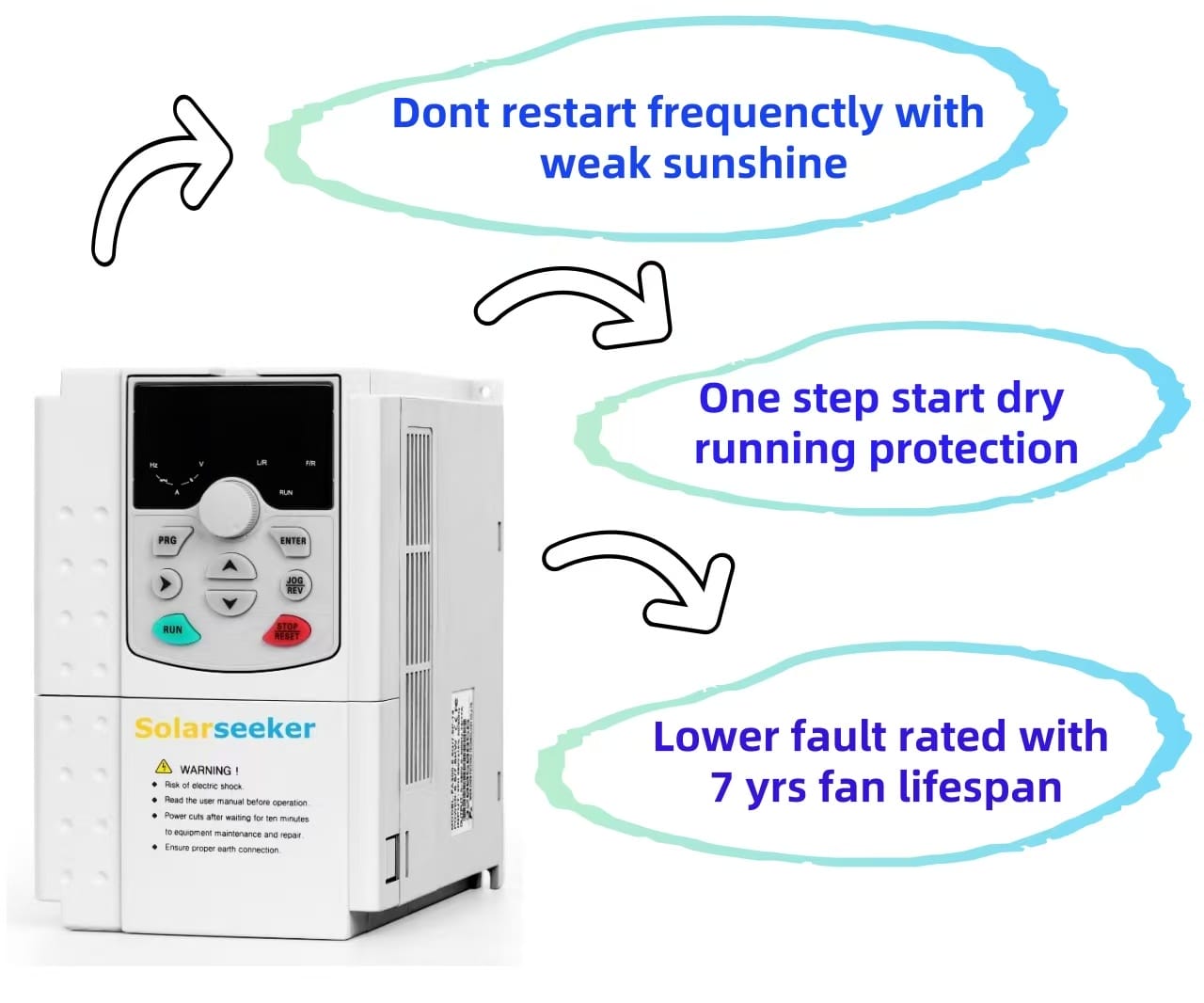
Good logistics protect more than delivery dates; they protect the inverter, the project schedule, and the distributor’s reputation.
Solar pump inverters are not fragile toys, but poor packaging and weak logistics can still damage terminals, displays, cabinets, cartons, labels, and customer trust. For B2B buyers, safe delivery is part of product quality.
The risk grows with bulk orders, mixed models, remote destinations, and urgent project schedules. A late or damaged shipment can delay installation even when the inverter itself was selected correctly.
From a supplier side, I treat packing photos and model lists as part of the order check. If the warehouse ships the wrong power rating or the carton label is unclear, the problem may not appear until the installer opens the box at the job site.
Packaging Must Match the Shipment Type
A sample order, distributor stock order, and project shipment need different packaging control. Heavy units need stronger cartons, foam, labels, and pallet planning. Cabinet-mounted systems need extra protection for doors, terminals, and accessories.
This is especially important when shipping solar pump inverters for project deadlines. A small packing mistake can become a large schedule problem.
What Buyers Should Confirm Before Shipment
| Logistics item | Why it matters | What to request |
|---|---|---|
| Model and quantity list | Prevents wrong shipment | Final packing list before pickup |
| Carton and pallet photos | Confirms protection before transport | Photos from warehouse |
| Accessory packing | Prevents missing keypads, manuals, or terminals | Accessory checklist |
| Shipping marks | Helps warehouse receiving | Clear labels by model and quantity |
| Incoterms and schedule | Clarifies cost and responsibility | Written shipment plan |
Bulk Orders Need Better Label Control
When a distributor orders several power ratings, labels must be clear. Mixing SP1, SP2, or SP4 units in one shipment without strong carton labels can create warehouse mistakes before installation even begins.
For mixed-model orders, the packing list should show model, power rating, quantity, carton count, and pallet arrangement. This helps the buyer receive goods faster and reduces the chance that a project team takes the wrong unit to site.
Damage Prevention Is Cheaper Than Claim Handling
Freight claims take time. Photos, reports, replacement discussion, and insurance paperwork can delay the project. It is better to confirm packaging photos, pallet condition, and final packing list before shipment.
Damage prevention is not only about stronger cartons. It is also about preventing pressure on displays, protecting terminals, sealing accessories, and avoiding loose items inside the box.
Sample Orders and Bulk Orders Have Different Risks
A sample order usually carries one or two units. The risk is physical damage and missing accessories. A bulk order carries another risk: model confusion. The more power ratings and product paths included, the more important labeling becomes.
| Order type | Main risk | Buyer control point |
|---|---|---|
| Sample order | Damage or missing accessories | Carton photo and accessory check |
| Distributor stock | Mixed model confusion | Model labels and packing list |
| Project shipment | Deadline delay | Shipping schedule and receiving plan |
| Cabinet shipment | Door, panel, or terminal damage | Pallet and protection photos |
What to Check When Goods Arrive
- Check carton and pallet condition before signing if possible.
- Photograph visible damage before unpacking.
- Compare model labels with the packing list.
- Confirm accessories, manuals, keypads, and terminals.
- Record any damage or shortage immediately.
- Separate project units from distributor stock to avoid mixing.
Logistics Documents Matter Too
Commercial invoice, packing list, bill of lading or air waybill, certificate documents, and shipping marks should match the order. Customs delays can happen when product descriptions, quantities, or model names are inconsistent.
For international distributors, documentation control is part of the service promise to local customers. A shipment that arrives safely but clears late can still damage the project schedule.
How Packaging Supports After-Sales
Good packaging helps after-sales because it gives the buyer clean evidence. If damage happens, photos of cartons, pallets, labels, and accessory packs help both sides identify the cause. Without evidence, every claim becomes slower.
For repeat orders, packing feedback should be recorded. If one destination regularly has rough handling, pallet protection may need to be improved before the next shipment.
Incoterms and Responsibility Must Be Clear
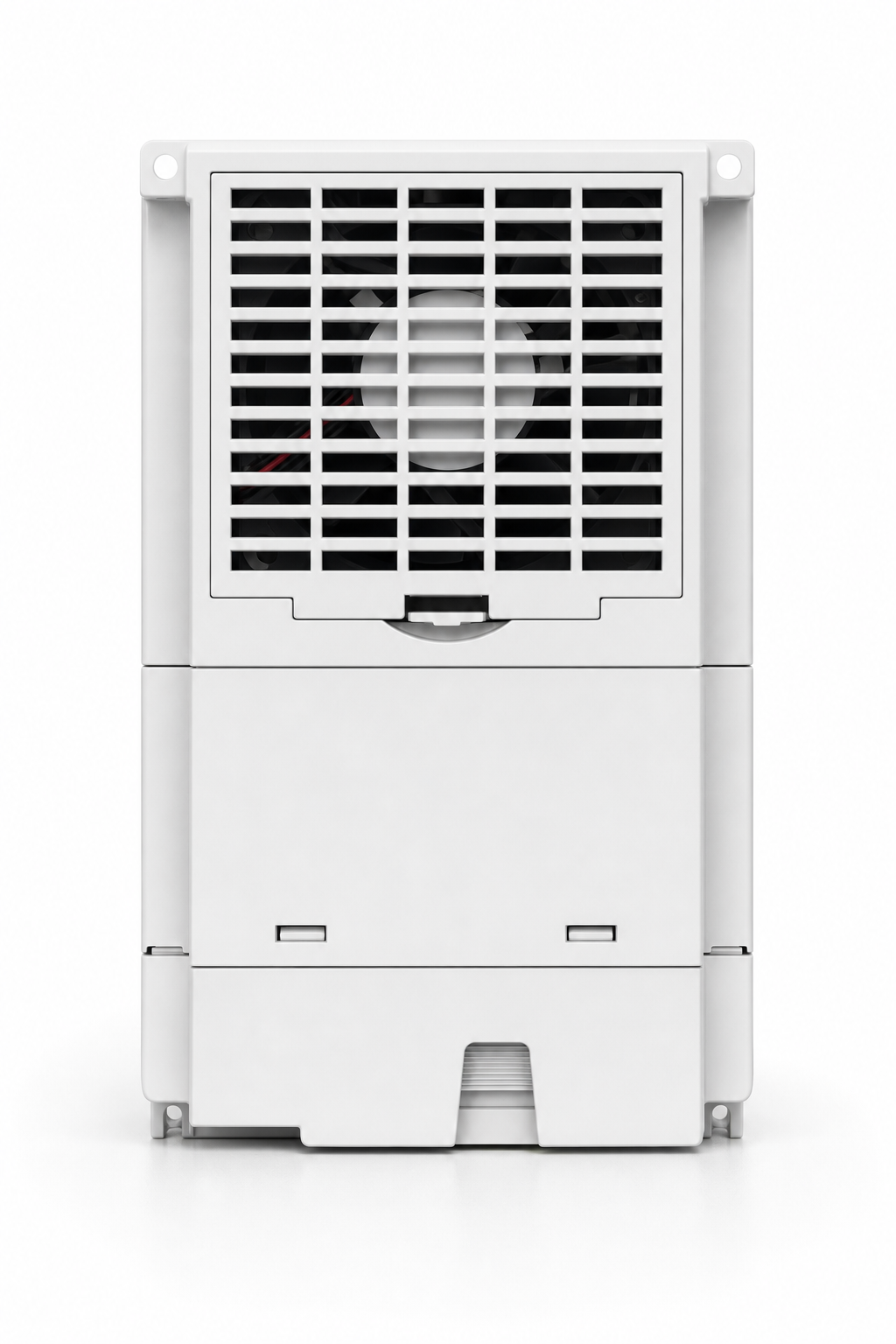
Before shipment, confirm whether the order is EXW, FOB, CIF, DAP, or another term. The term affects freight cost, insurance, export handling, destination responsibility, and the point where risk transfers. Many disputes happen because both sides assume the other side is responsible for a cost or delay.
For project shipments, write the logistics term clearly in the proforma invoice and confirm the forwarder contact before goods are ready.
Sea Freight, Air Freight, and Urgent Projects
Sea freight is usually better for bulk inverter orders because cost per unit is lower. Air freight may fit urgent samples or emergency replacements, but it can become expensive for heavier units and cabinet systems. The buyer should compare freight cost against project delay cost.
If a project deadline is fixed, do not wait until production is finished to discuss logistics. Book freight early, confirm document requirements, and check whether destination customs has special rules for electrical equipment.
Packaging Feedback Should Close the Loop
After delivery, distributors should report carton condition, pallet condition, accessory accuracy, and any receiving problems. This feedback helps the supplier improve the next shipment. Logistics quality improves when both sides treat it as a process, not a one-time complaint.
Export Packaging Acceptance Table
| Check item | Acceptable evidence | Risk if missing |
|---|---|---|
| Outer carton | Clear photo with label visible | Receiving confusion |
| Inner protection | Foam or protective material photo | Display or terminal damage |
| Pallet condition | Wrapped and stable pallet photo | Transport damage |
| Accessory pack | Checklist or photo | Installation delay |
| Shipping marks | Model, quantity, and destination marks | Warehouse mistakes |
Destination Handling Risk
Some destinations have rougher inland transport, longer customs waiting time, or more warehouse transfers. For those markets, stronger pallet planning and clearer labels are worth the extra effort. A damaged carton after three transfers is not always caused by the factory, but better packaging can reduce the risk.
How Distributors Should Receive Bulk Goods
When goods arrive, assign one person to compare the shipment against the packing list. Do not send units directly to projects before checking model labels and accessories. A receiving mistake can create an installation mistake days later.
For distributor warehouses, separate power ratings by shelf or pallet zone. Similar carton sizes can hide different inverter ratings.
Plan Delivery Around the Installation Team
For project shipments, delivery timing should match the installation schedule. If inverters arrive too early, the site may store them poorly. If they arrive too late, the crew waits. Confirm warehouse location, site transport, installer schedule, and accessory storage before shipment lands.
Good logistics does not end at the port. It ends when the correct inverter, accessories, and documents are in the right installer’s hands.
FAQ
What photos should buyers request before shipment?
Ask for model labels, carton condition, pallet condition, accessory packing, and final packed goods before pickup.
Why do mixed-model orders need extra control?
Because warehouse staff and installers can easily confuse similar cartons. Clear labels and packing lists reduce project mistakes.
Is packaging only the supplier’s responsibility?
The supplier must pack correctly, but the buyer should confirm shipping terms, receiving plan, destination handling risk, and claim evidence process.
Before the Goods Leave the Factory
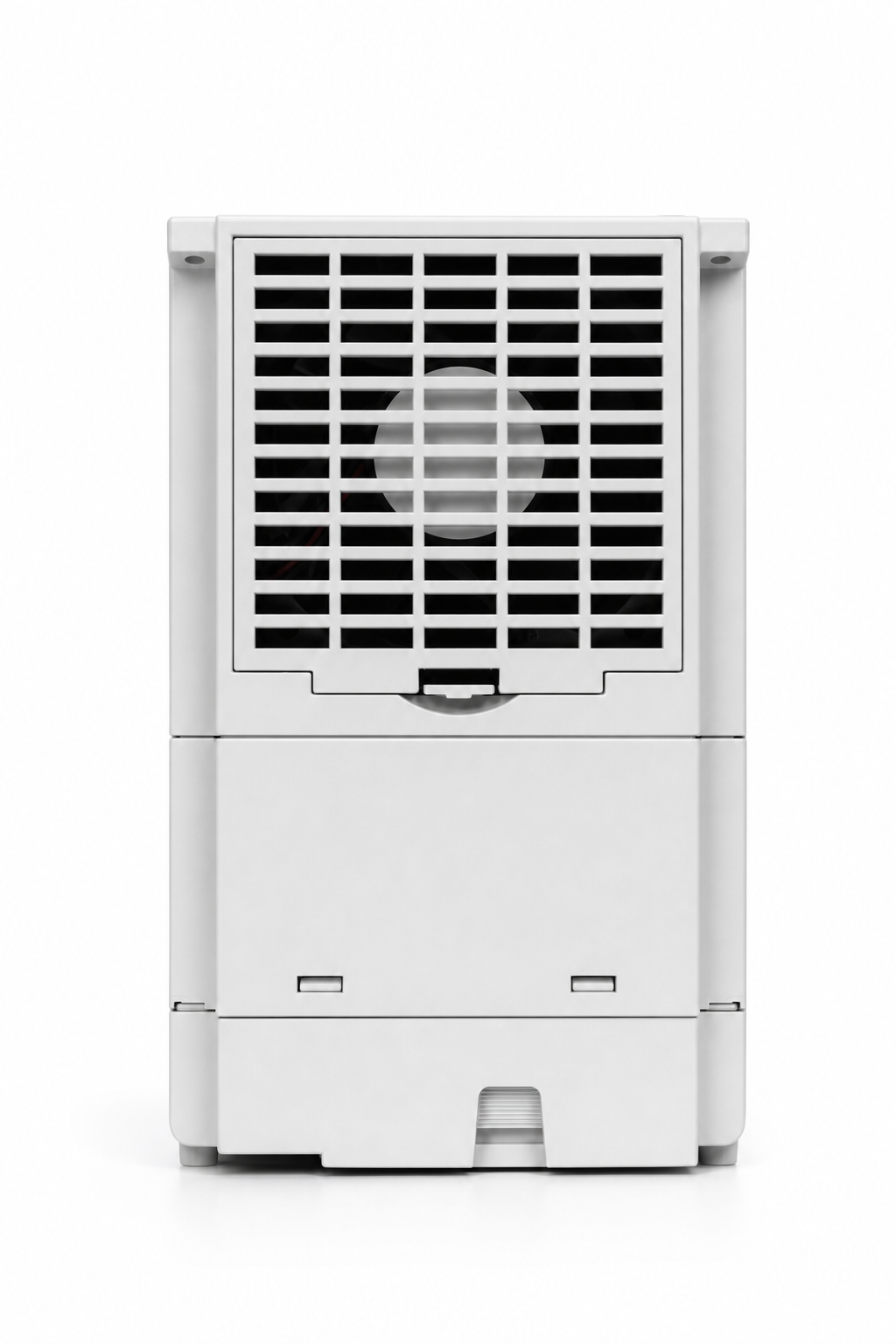
Ask Solarseeker for packing photos, model list confirmation, shipping marks, and accessory checks. A clean shipment saves more time than a fast apology after damage.