
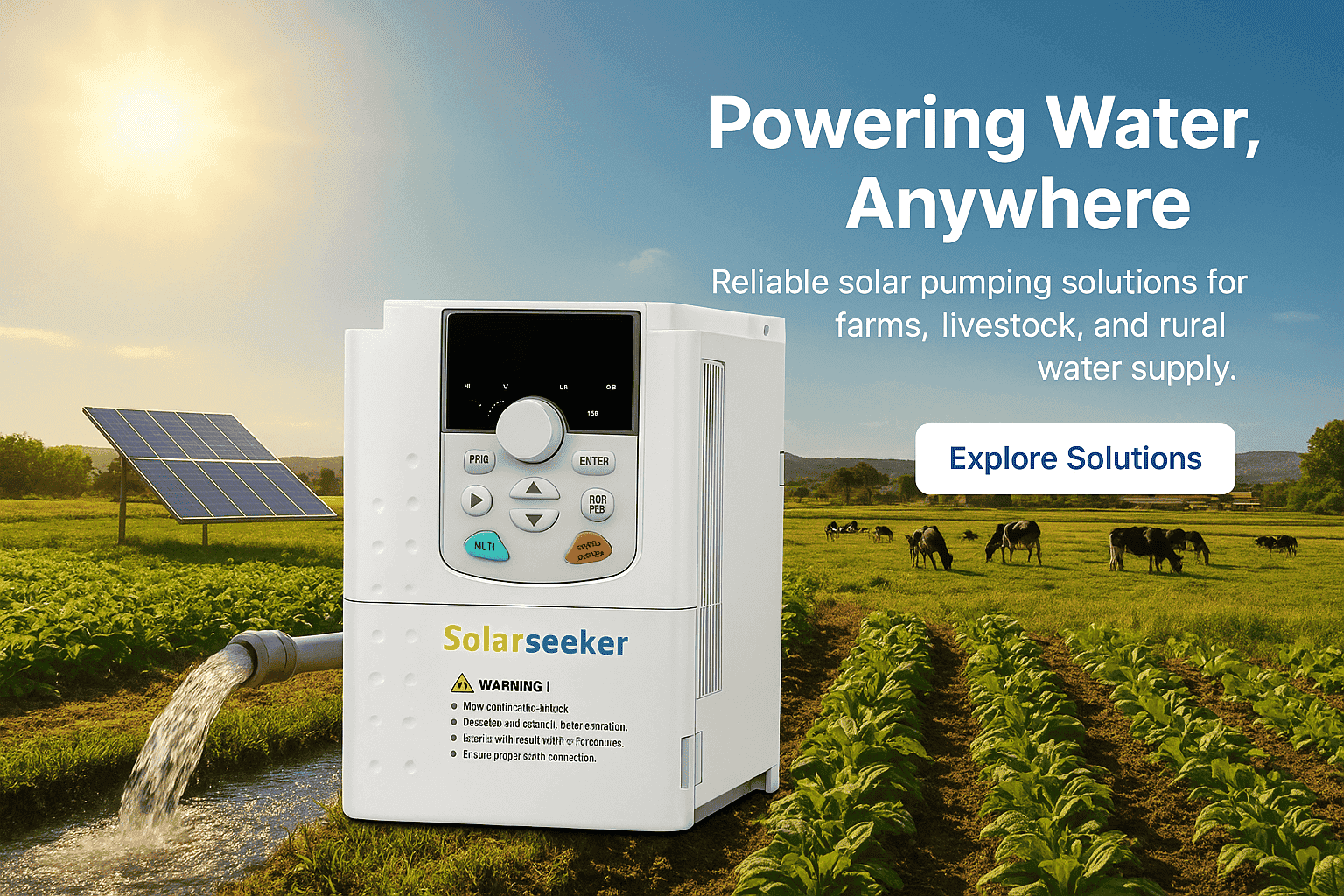
Distributor marketing support works when it helps local teams sell the right pump system, not just print a logo on a catalog.
Solar VFD distributors need more than product stock. They need sales material, model guidance, application examples, private label options, and technical support that fits their local pump market.
Private label can help build local trust, but it should not hide weak product matching. A strong distributor program connects local brand presence with real engineering support, spare parts, and installer training.
When Solarseeker discusses distributor programs, I usually ask one question first: what pump sizes do your customers actually buy every month? Marketing support should start there, not with a generic brochure.
What Local Sales Teams Actually Need
- Clear model selection charts.
- Application pages for irrigation, wells, livestock, and municipal water.
- Product photos and installation examples.
- Simple AC vs DC explanation materials.
- Warranty and troubleshooting documents.
- Private label options when order volume supports it.
The marketing material should point buyers toward the right solar pump inverter, not repeat broad renewable-energy language.
Marketing Support Should Follow the Sales Conversation
A distributor salesperson does not need a long technical manual during the first customer meeting. They need simple tools: which inverter path fits which pump, what data to collect, and when to ask engineering for a check.
| Sales stage | Useful support | Why it helps |
|---|---|---|
| First inquiry | Application flyer and pump data checklist | Collects the right information early |
| Quotation | Model selection chart | Reduces wrong model choice |
| Customer objection | AC vs DC explanation sheet | Supports practical comparison |
| Installation | Quick commissioning notes | Reduces callbacks |
| After-sales | Fault data collection form | Speeds diagnosis |
Private Label Should Match a Service Plan
A label on the front panel is easy. The harder question is who supports the product after installation. Distributors should prepare first-level diagnosis, spare-part stock, and local installation guidance before scaling private label sales.
If the local brand grows faster than the service team, warranty pressure grows with it. Private label should make the distributor more credible, not more exposed.
Support by Distributor Stage
| Distributor stage | Useful support | What to avoid |
|---|---|---|
| New importer | Model shortlist and training documents | Too many models too early |
| Growing channel | Localized brochures and project examples | Generic claims without pump data |
| Established distributor | Private label, stock planning, spare parts | Branding without service structure |
| EPC-focused seller | Quotation support and pump matching sheets | Quoting by power only |
Product Paths Need Market Fit
A distributor selling small single-phase pumps may need different material from a distributor selling SP4 for larger three-phase irrigation projects. Marketing support should follow the local pump range.
For local sales examples, the project cases section can help a distributor explain application categories without inventing site claims.
Localized Content Beats Generic Catalogs
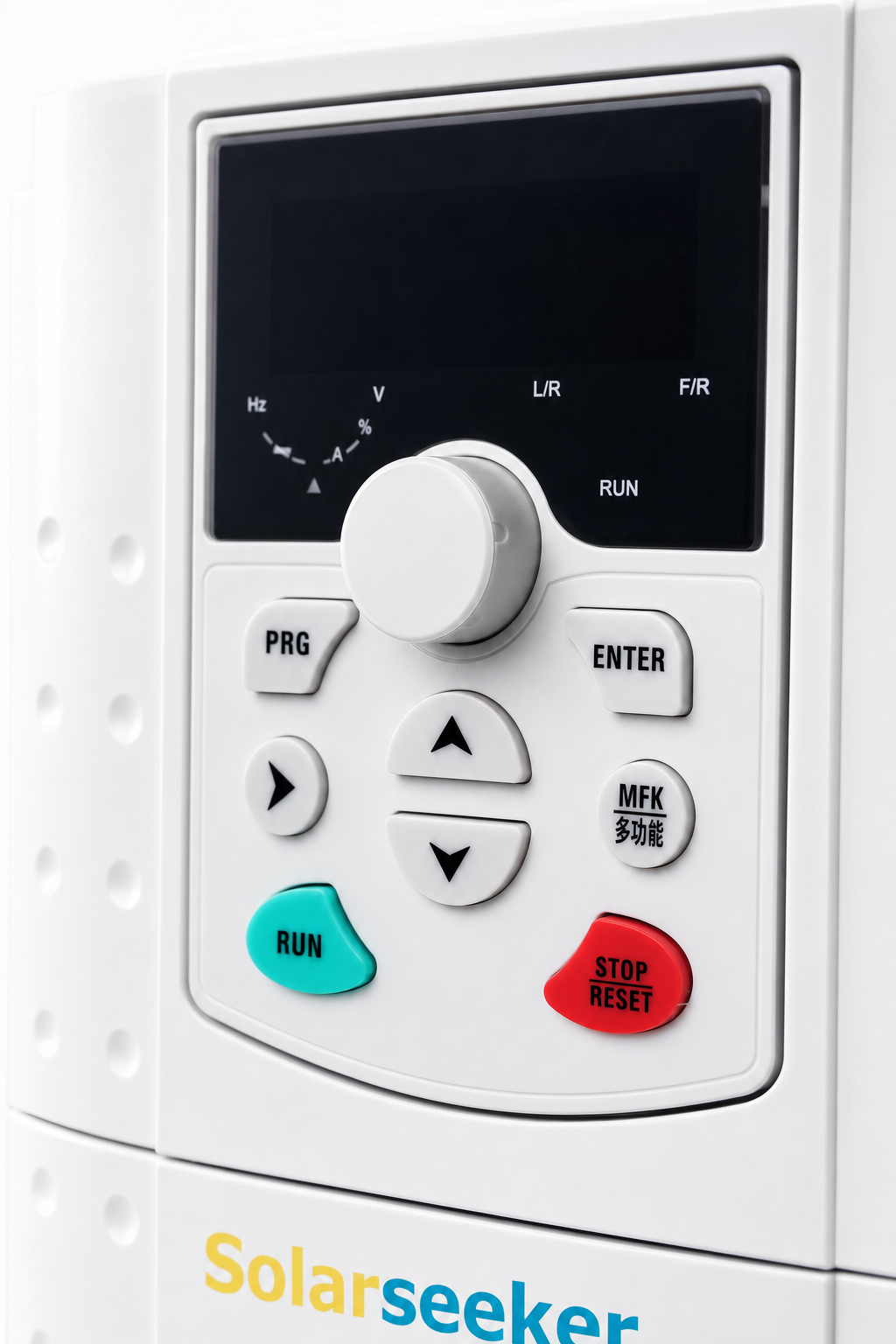
Local buyers care about their own pump voltages, water sources, irrigation habits, and service conditions. A distributor in a dry market may need more dry-run protection material. A distributor serving farms may need irrigation duty-point examples. A municipal supplier may need documentation and monitoring language.
Translation alone is not localization. The message should match the local customer’s buying question.
Training Is Part of Marketing
Sales material works better when the team knows how to use it. Distributor training should cover pump nameplate reading, PV sizing basics, AC vs DC comparison, common fault causes, warranty evidence, and when to escalate to engineering.
A trained salesperson collects better information. A trained installer creates fewer callbacks. That is also marketing, because customers remember whether the system was easy to buy and easy to support.
Private Label Readiness Checklist
- Confirm common pump sizes and voltage in the local market.
- Define the model range for first stock.
- Prepare local-language model selection material.
- Train sales and service teams before launch.
- Plan spare parts and first-level diagnosis.
- Decide packaging, logo, manual, and label requirements.
- Review warranty responsibility between supplier and distributor.
What a Useful Distributor Sales Kit Should Include
A practical sales kit should be small enough for the local team to use. It should include product overview, model selection table, pump data collection form, common application pages, installation photo examples, FAQ answers, and a clear path for engineering support.
Long catalogs are useful for reference, but most sales teams need shorter tools during customer conversations. The goal is to collect the right technical data before making a promise.
Joint Marketing Should Be Tied to Real Stock
Distributors sometimes ask for marketing material before deciding what they will stock. That creates weak promotion. The better order is product range first, sales message second. If the distributor mainly stocks 380V three-phase systems, the material should focus on larger irrigation and deep-well applications. If the stock is small single-phase models, the sales message should fit smaller farms and simple pumping jobs.
How to Use Project Examples Without Overclaiming
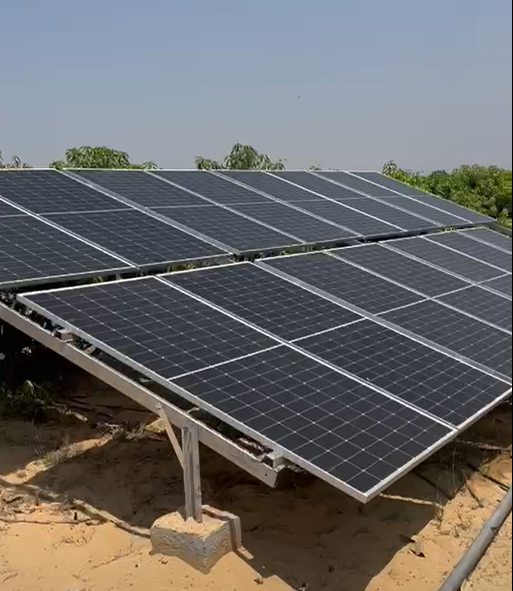
Project examples help buyers understand applications, but they should not become exaggerated promises. Use project photos to discuss installation environment, pump type, cabinet placement, and service access. Do not invent flow rates, savings, or customer names if they are not verified.
This is why a distributor should use case material as a conversation starter, not as a guarantee that every site will perform the same way.
Measure the Program After Launch
A distributor program should be reviewed after the first sales cycle. Track which models sell, which questions repeat, which faults appear, and which materials the sales team actually uses. Then adjust the stock plan and support material.
Good channel support is not a one-time file transfer. It improves as the local market gives feedback.
Common Mistakes in Distributor Marketing
- Launching private label before the service team is ready.
- Using one generic brochure for every pump size and application.
- Promoting price before explaining model fit.
- Skipping installer training and then blaming product quality.
- Collecting leads without a clear technical qualification form.
These mistakes are easy to avoid. The distributor needs a simple sales process and a clear line between sales promises and engineering checks.
How Solarseeker Support Can Be Used
For new markets, Solarseeker can help distributors build a first model shortlist, review common pump ranges, prepare technical sales material, and support project quotations. The best cooperation starts with real local data: pump sizes, voltage, target applications, and expected order rhythm.
Metrics to Track After Launch
Track inquiry quality, quotation conversion, repeated technical questions, installation callbacks, warranty cases, and slow-moving stock. These numbers show whether the marketing program is helping the distributor sell better systems or only creating more noise.
FAQ
When does private label make sense for a distributor?
Private label makes sense when the distributor has stable volume, local service ability, and a clear target market. It should not be the first step before product fit is proven.
What marketing support is most useful for Solar VFD sales?
Model charts, pump data checklists, AC vs DC comparison sheets, application examples, troubleshooting forms, and localized brochures are usually more useful than broad brand slogans.
Can a distributor sell without deep technical knowledge?
The salesperson does not need to be an engineer, but they must collect the right pump and site data. Engineering support can then check the system before quotation.
Before You Build a Local Program
Send your country, target pump sizes, annual volume, private label needs, and service model to Solarseeker. The best distributor support is built around how you actually sell and service projects.