
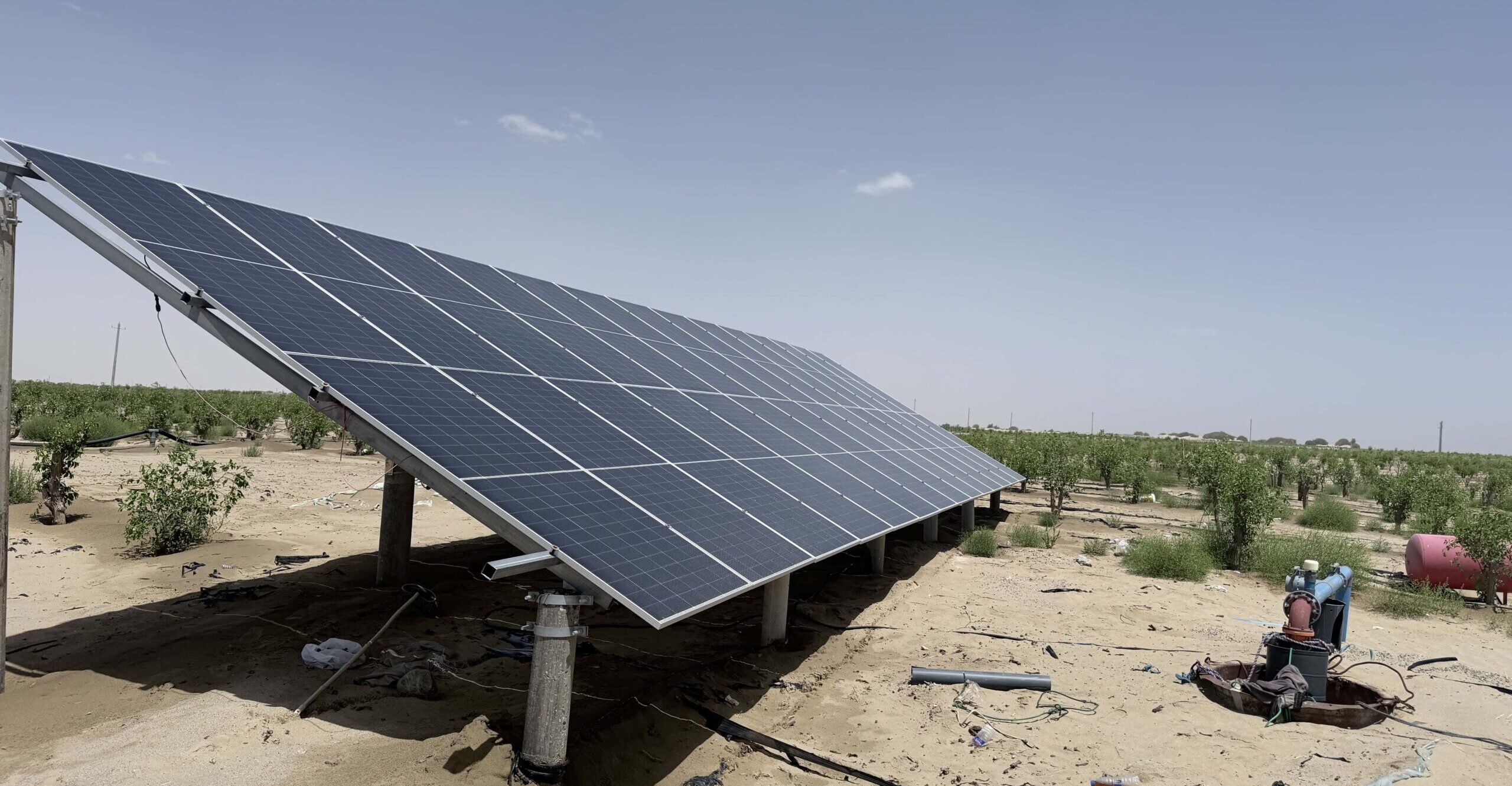
A practical guide for EPC teams comparing solar-only pumping, water storage, battery backup, and hybrid AC backup before quoting an irrigation project.
Battery storage is not the default choice for most solar water pump projects. Start with daytime pumping and water storage first. Add batteries only when the site must pump outside solar hours, has no reliable grid or generator backup, or cannot tolerate missed irrigation windows. The right answer depends on pump energy, autonomy, battery limits, and service cost.
Start With Water Storage Before Battery Storage
In solar pumping, the cheapest battery is often a water tank.
That sounds simple, but it is an important design rule. If the pump can fill a tank during the day and the crop can use stored water later, electrical batteries may not be needed.
Batteries become attractive when water storage cannot solve the problem. That may happen when the site has no tank space, high night-time demand, strict drip schedules, or a pump that must run during cloudy periods.
For EPC teams, this is the first decision:
Can the project store water, or must it store electricity?
If water storage is enough, the system can stay simpler. If electrical storage is required, the design must include battery capacity, BMS protection, enclosure planning, cable sizing, thermal management, and maintenance access.
For the basic pumping side, Solarseeker’s solar water pump inverter page explains how PV power is converted into controlled pump motor output.
Battery Decision Table for Solar Pump Projects
| Site condition | Better first option | When batteries become reasonable | What EPC teams should confirm |
|---|---|---|---|
| Daytime irrigation with tank storage | Solar-only pumping | Rarely needed unless tank volume is too small | Daily water target, tank size, pump flow |
| Off-grid farm with night pumping | Solar plus battery or generator backup | When night pumping is required and no generator is acceptable | Pump kW, night run hours, autonomy target |
| Weak grid with occasional outages | Solar plus AC backup path | When outages are long and crop risk is high | Outage pattern, grid voltage, backup source |
| Drip irrigation with strict schedule | Water storage, then battery check | When watering window cannot move to daylight | Required pressure, zone schedule, flow |
| Remote ranch water supply | Solar-only plus tank | When livestock water cannot wait for sun recovery | Tank reserve, pump duty, service distance |
| High-value crop or greenhouse | Hybrid design review | When missed irrigation creates major loss | Crop risk, control system, backup plan |
This table is a filter, not a final design.
The important point is commercial: batteries add cost, service work, and replacement risk. They should solve a real project problem, not just make the proposal look more advanced.
The Battery Sizing Formula EPC Teams Can Use
Use a simple sizing formula before discussing brands or chemistry.
Battery capacity in kWh =
Pump power (kW) x battery-powered run hours x autonomy days / usable battery fraction / system efficiency
For example, suppose a pump needs to run from battery for 4 hours after sunset. If the pump is 5 kW, the energy needed at the motor is 20 kWh.
The battery must be larger than 20 kWh because not all stored energy should be used. There are also inverter, cable, and battery losses. A lithium system with a usable fraction near 80% to 90% may still need a larger nameplate capacity after efficiency and reserve are included.
Do not use this formula as the final quotation.
Use it to see whether the project is still reasonable. If the first calculation already points to a very large battery bank, water storage or generator backup may be the better path.
Solar-Only, Battery, and Hybrid Backup Compared
| Configuration | Best fit | Main advantage | Main risk |
|---|---|---|---|
| Solar-only pumping | Daytime irrigation, tank filling, simple farm water supply | Lowest system complexity | No pumping when solar input is too weak |
| Solar pumping plus water tank | Most irrigation and livestock projects | Stores water instead of electricity | Needs enough tank volume and site space |
| Solar plus battery | Night pumping, strict schedule, off-grid critical sites | Can run beyond solar hours | Higher cost, battery protection, thermal and replacement planning |
| Solar plus generator or grid backup | Weak-grid or semi-off-grid projects | Backup power without a large battery bank | Fuel cost, grid quality, switching and wiring rules |
| Full hybrid review | High-value crops, greenhouses, remote EPC projects | Balances reliability and cost | Requires careful design and qualified installation |
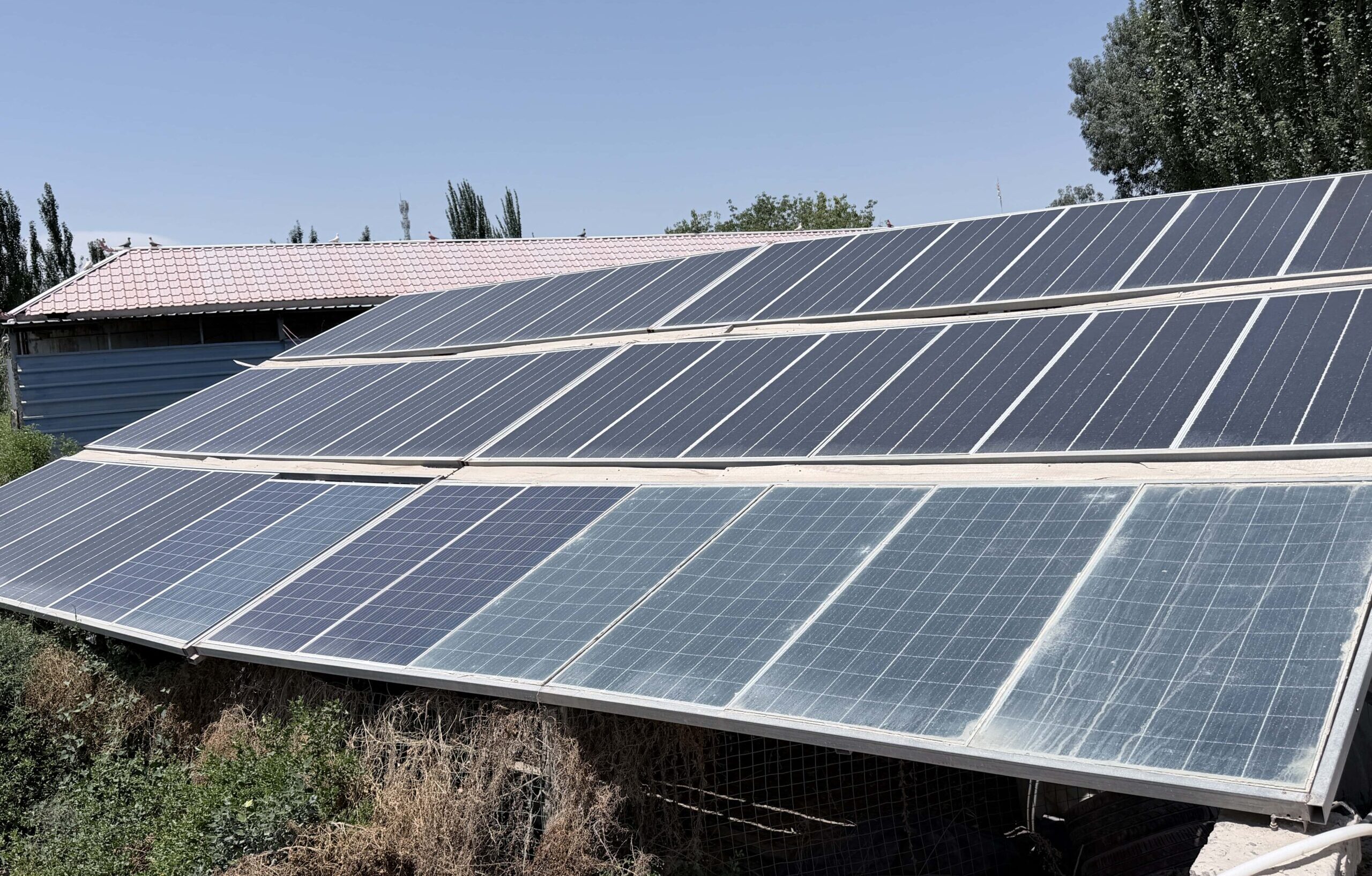
In many irrigation projects, a hybrid AC backup can be more practical than a large battery bank. That does not mean batteries are wrong. It means the backup path should match the water risk and service reality.
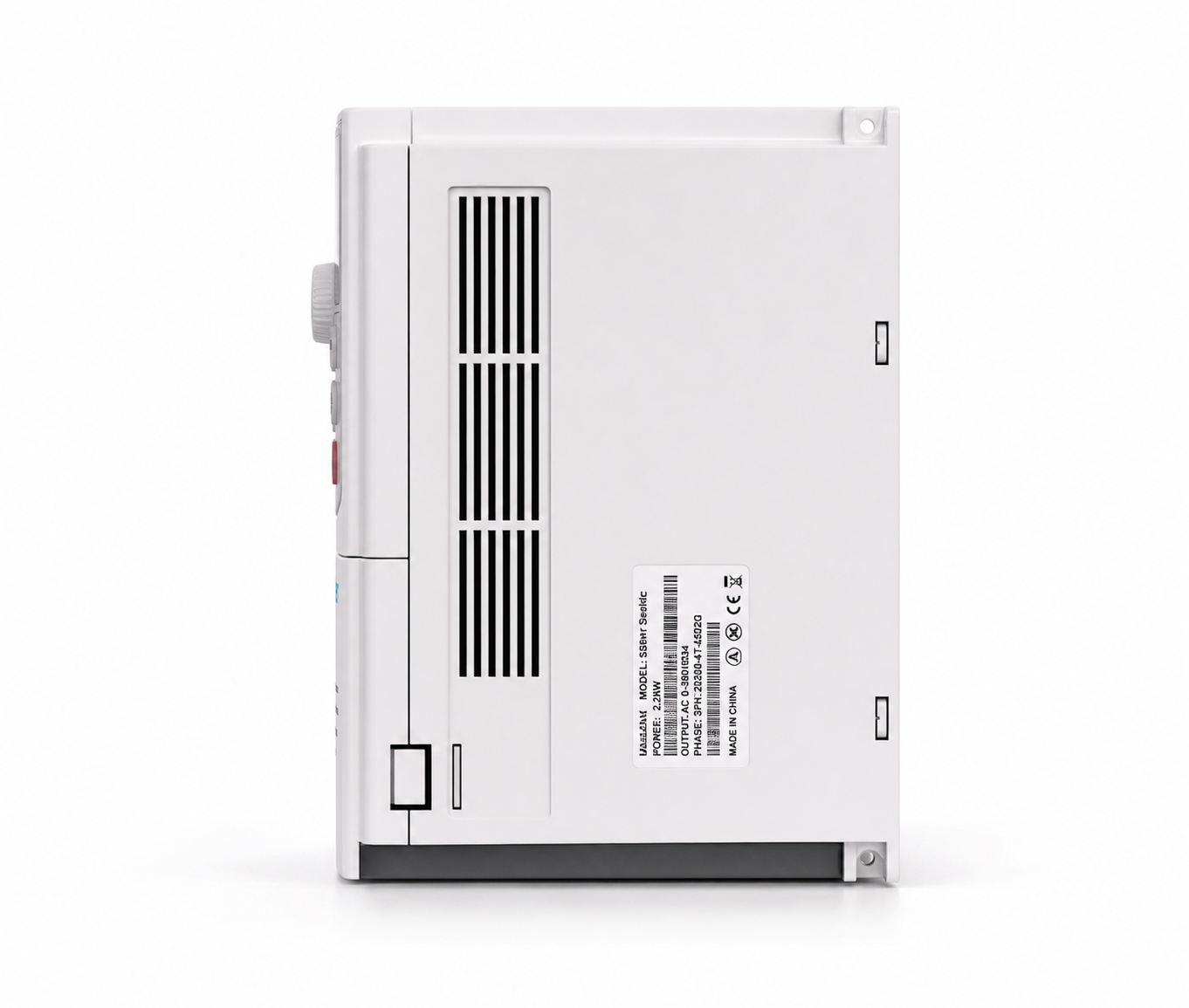
For 380V three-phase pumps and larger irrigation systems, Solarseeker’s SP4 solar pump inverter is the product path to review. If a project needs AC backup, generator support, or a complex hybrid control plan, confirm the exact inverter model, wiring method, and control logic with Solarseeker before quoting.
ROI Should Be Calculated as an Incremental Decision
Battery ROI should not compare the whole solar pumping project against diesel or grid power.
That hides the real question.
The better question is: what extra value does the battery add compared with solar-only pumping, water storage, or AC backup?
Use this simple formula:
Battery payback years = extra battery system cost / annual extra savings or avoided loss
The extra cost includes battery modules, BMS, cabinet, protection devices, installation labor, wiring, commissioning, and future service. The annual benefit may include reduced generator fuel, avoided crop loss, lower grid use, or fewer emergency water runs.
Be careful with exact payback claims. Battery prices, fuel prices, tariffs, replacement timing, and local labor costs change by country. A battery that makes sense for a remote greenhouse may be a poor choice for a farm with a good tank and a reliable grid.
Field Example: Why a Tank Can Beat a Battery
Consider a farm that irrigates during the day and only needs water available at night.
The buyer asks for batteries because the crop needs water after sunset. But after checking the site, the EPC team sees that a water tank can cover the night demand. The pump can run during the solar window, fill the tank, and stop before evening.
In that case, battery storage may not improve the project enough to justify the extra cost and service risk.
Now change one condition.
Suppose the same farm has drip zones that must run at fixed pressure before sunrise, and there is no space for a large tank. The buyer also has no acceptable generator backup. Now a battery review becomes reasonable.
The equipment did not decide the answer. The water schedule did.
For similar irrigation and remote water supply references, the solar water pump projects page can help buyers compare different site conditions.
What to Check Before Adding Batteries
Before adding batteries to a solar pump system, confirm the site data in writing.
Ask for:
- Pump nameplate photo.
- Pump power, voltage, phase, rated current, and frequency.
- Required battery-powered run hours.
- Daily water target and irrigation schedule.
- Tank volume and available space.
- Grid or generator availability.
- PV module Voc, Vmp, power, and string plan.
- Cabinet location, temperature, dust, humidity, and service access.
- Local electrical code, grounding, protection, and disconnect requirements.
This list prevents two common mistakes.
The first is oversizing the battery because the water schedule was not checked. The second is undersizing the battery because the calculation ignored usable capacity, efficiency, temperature, and aging.
Safety Note for Battery Pumping Systems
Battery systems are electrical energy storage systems. They need correct BMS protection, overcurrent protection, isolation, grounding, ventilation or thermal planning, and safe service access.
Use qualified electricians or trained technicians. Follow local electrical codes, battery manufacturer instructions, inverter manuals, and protection requirements. This article explains selection logic. It is not a wiring manual.
FAQ
Do solar water pumps usually need batteries?
No. Many solar water pump systems work best by pumping during daylight and storing water in a tank. Batteries are mainly useful when the pump must run outside solar hours or when the site cannot tolerate interruption.
When should an EPC add batteries to a solar pump project?
Add batteries when night pumping is required, water storage is not enough, the grid is unavailable or unreliable, generator backup is not acceptable, or the crop schedule cannot move to daylight pumping.
How do I size a battery for a solar water pump?
Start with pump power multiplied by the battery-powered run hours. Then adjust for autonomy days, usable battery fraction, system efficiency, temperature, and aging. The result is a planning size, not a final quotation.
Is a generator or grid backup better than batteries?
Sometimes yes. If grid or generator backup is available and outages are limited, hybrid AC backup may cost less than a large battery bank. Batteries fit better when fuel logistics, noise, emissions, or strict night pumping make backup power unsuitable.
Can I add batteries to an existing solar pump system?
Possibly, but the existing inverter, pump, PV array, control logic, and protection system must be checked first. Do not add batteries without confirming compatibility, BMS requirements, wiring, protection, and local electrical rules.
Send Site Conditions Before Quoting Batteries
Before quoting a battery-supported solar pump project, send the real operating schedule.
Share the pump nameplate, pump power, voltage, phase, head, flow, required night run hours, tank size, PV string plan, backup source, cabinet location, and site temperature through the contact page. Solarseeker can help check whether the project should use solar-only pumping, water storage, AC backup, or a battery-supported path.