
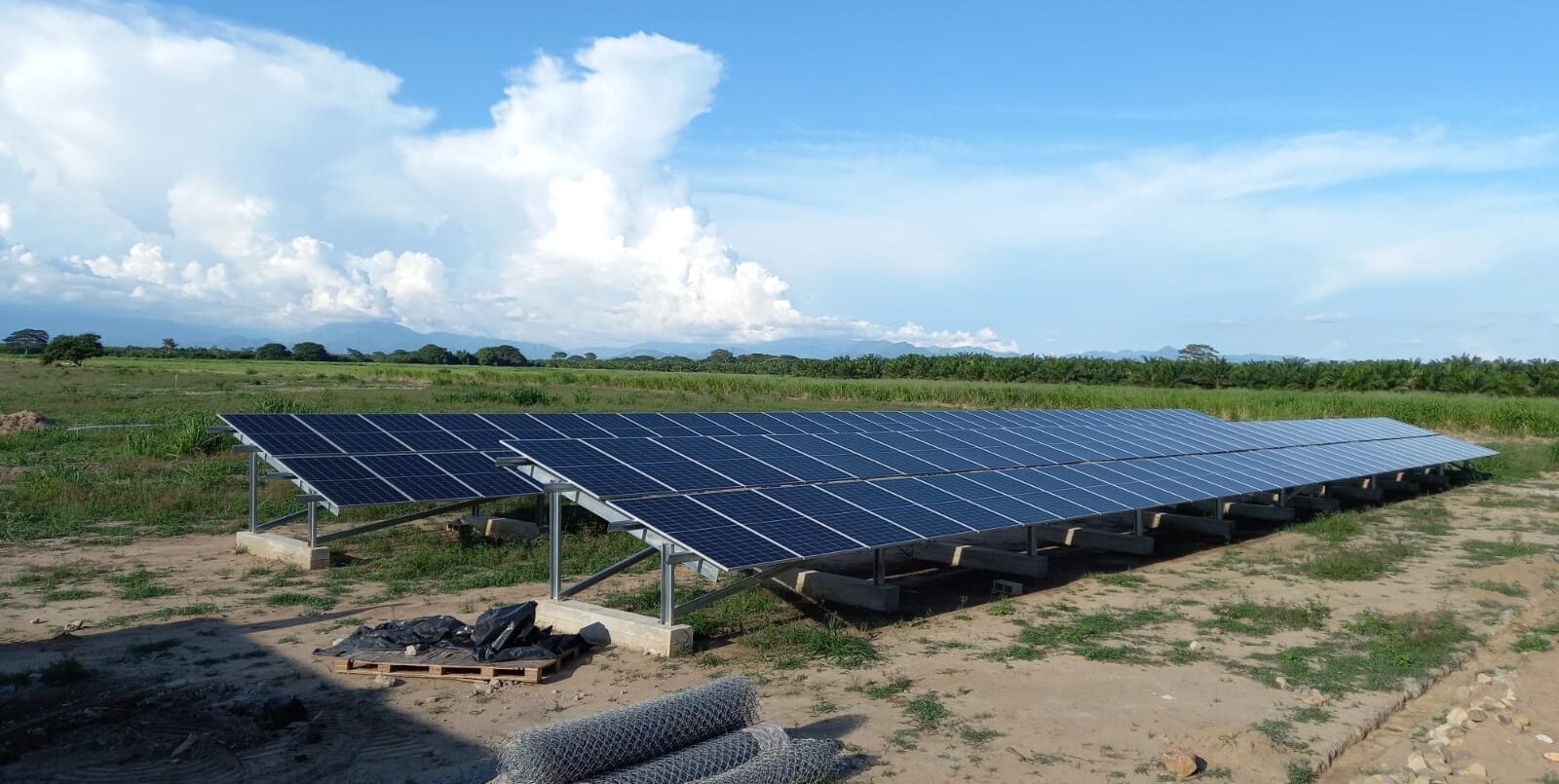
A warranty is only useful when the buyer knows what is covered, what evidence is required, and who can support the site after installation.
Solar pump inverter warranties are often discussed too late. Buyers ask about warranty length, but they do not ask how a claim is diagnosed, what documents are needed, or how spare parts move across borders.
For B2B buyers, after-sales support is not a promise on paper. It is a working system: fault records, installation data, spare parts, trained technicians, and clear communication between the factory, distributor, and project site.
At Solarseeker, the fastest support conversations usually start with facts: pump nameplate, PV string data, fault code, installation photos, and running current. Without those facts, even a good warranty becomes slow.
Warranty Length Is Only One Line
A long warranty period sounds reassuring, but it does not answer the hard questions. What happens if the inverter trips after six months? Who checks the pump current? Who reviews PV string voltage? Who decides whether the fault is wiring, overload, water damage, lightning, or a product issue?
A well-documented solar pump inverter installation is easier to support than a vague complaint from a remote field.
What a Serious Warranty Should Clarify
| Warranty item | What buyers should ask | Why it matters |
|---|---|---|
| Start date | From shipment, delivery, or installation? | Avoids dispute later |
| Coverage | Which components and failures are covered? | Defines responsibility |
| Exclusions | Wrong wiring, water damage, lightning, overload? | Prevents false expectations |
| Evidence | What photos, videos, and readings are needed? | Speeds diagnosis |
| Replacement process | Part replacement, board replacement, or full unit? | Controls downtime |
Warranty Evidence That Saves Time
Most warranty delays come from missing data. A field team says the inverter failed. The supplier asks for measurements. The site is remote. The technician has already left. Several days are lost before the real diagnosis begins.
| Evidence | Why it matters |
|---|---|
| Pump nameplate | Confirms voltage, phase, and current |
| PV string data | Checks under-voltage or over-voltage risk |
| Fault code photo | Shows what the inverter detected |
| Installation photos | Checks wiring, grounding, cabinet, and environment |
| Running current | Separates motor load from inverter faults |
| Video of startup | Shows sequence, display, and repeated trip behavior |
Global Support Needs Local Structure
Large distributors should not depend on factory support for every small question. They need internal first-level support: collecting data, checking common mistakes, and deciding when to escalate.
For three-phase irrigation projects using products such as SP4, the distributor should keep pump matching records and parameter notes for each site. Those records help both warranty and future quotations.
What Is Usually Not Covered
Warranty normally cannot protect against wrong voltage, incorrect wiring, water damage from poor installation, lightning without protection, operation outside the datasheet, or repeated overload caused by pump problems. Buyers should treat these as project risks, not warranty surprises.
This does not mean the supplier avoids responsibility. It means the installation and operating conditions must be clear. A strong after-sales process separates product failure from site failure as quickly as possible.
Spare Parts Planning for Distributors
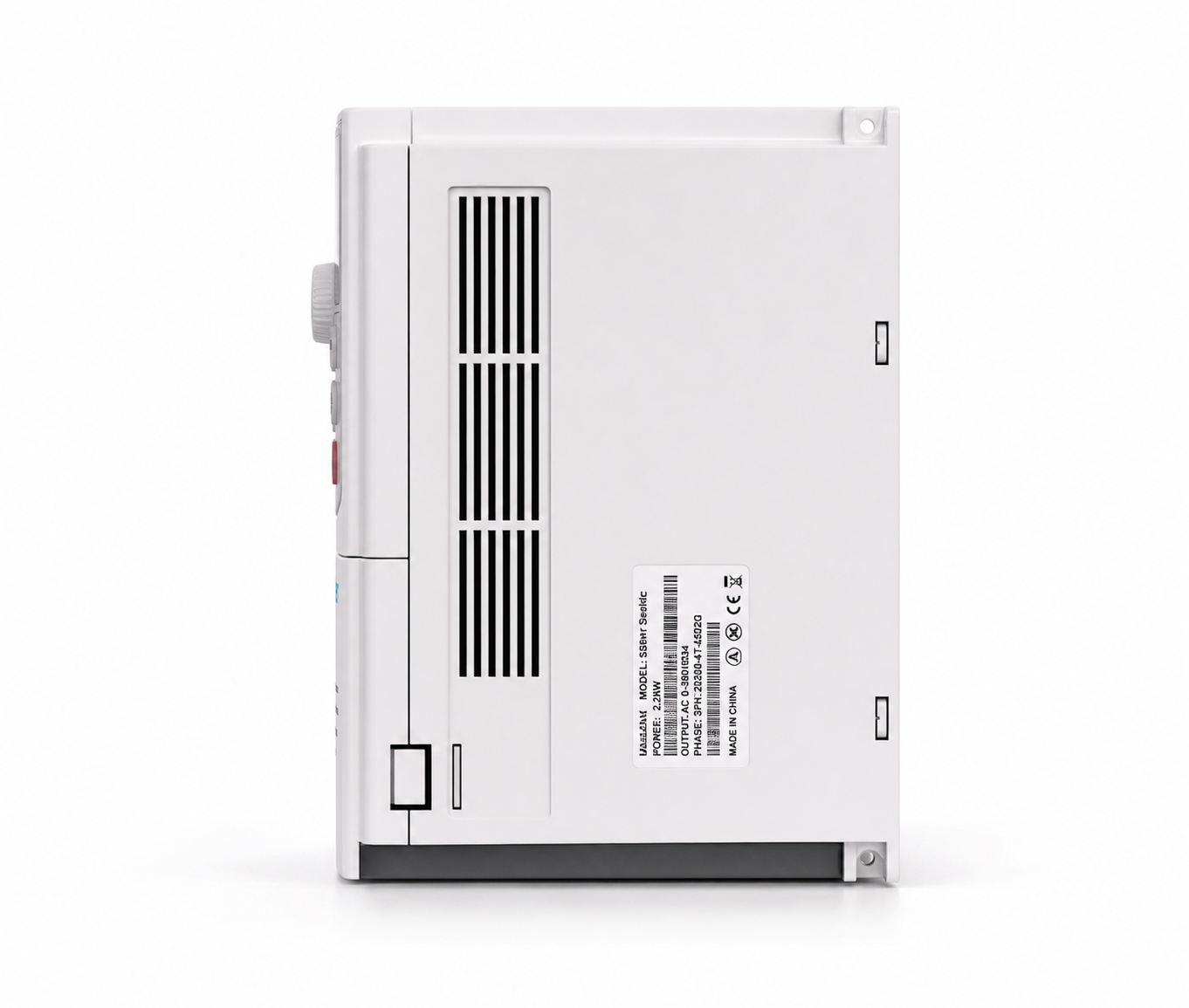
Distributors should plan common spare parts before the busy season. The right list depends on local model mix, project distance, technician skill, and warranty policy. For large projects, one missing display board, fan, terminal, or replacement unit can delay service longer than the fault diagnosis itself.
Stock planning also protects customer trust. A distributor who can solve a problem locally will look stronger than one who must wait for every answer from overseas.
After-Sales Workflow That Actually Works
- Collect basic site information and fault code.
- Check pump nameplate, PV string, wiring, grounding, and cabinet condition.
- Measure running current if the system can start safely.
- Compare the readings with inverter and pump ratings.
- Decide whether the issue is installation, pump load, environment, or inverter hardware.
- Escalate to factory engineering with photos, readings, and a clear description.
Qualified electricians or trained technicians should handle electrical checks. Local codes and safety rules must come before any service shortcut.
Factory Warranty and Distributor Responsibility
In a global sales chain, the factory and distributor have different roles. The factory should provide product quality, engineering guidance, documentation, and clear claim handling. The distributor should provide first-level data collection, local inspection, installation support, and customer communication.
If every small site issue goes directly to the factory, support becomes slow. If the distributor never escalates with enough data, the factory cannot judge the problem properly. A good after-sales model defines both sides before the order is placed.
How to Reduce Warranty Conflict
Warranty conflict usually comes from unclear evidence. The buyer says the inverter failed. The supplier suspects wrong wiring, over-voltage, water ingress, or overload. Both sides lose time because the installation record is incomplete.
The solution is not complicated. Keep a project file for every installation. Include the quotation, pump nameplate, PV string plan, inverter model, parameter notes, installation photos, and fault records. This file protects the buyer and the supplier.
What Large Buyers Should Ask Before Signing
- What is the normal response time for technical diagnosis?
- Which parts can be replaced locally?
- What evidence is required for warranty approval?
- Can the supplier train distributor technicians?
- Which common faults are usually caused by installation?
- How should remote sites collect useful fault data?
Support Planning for the First Bulk Order
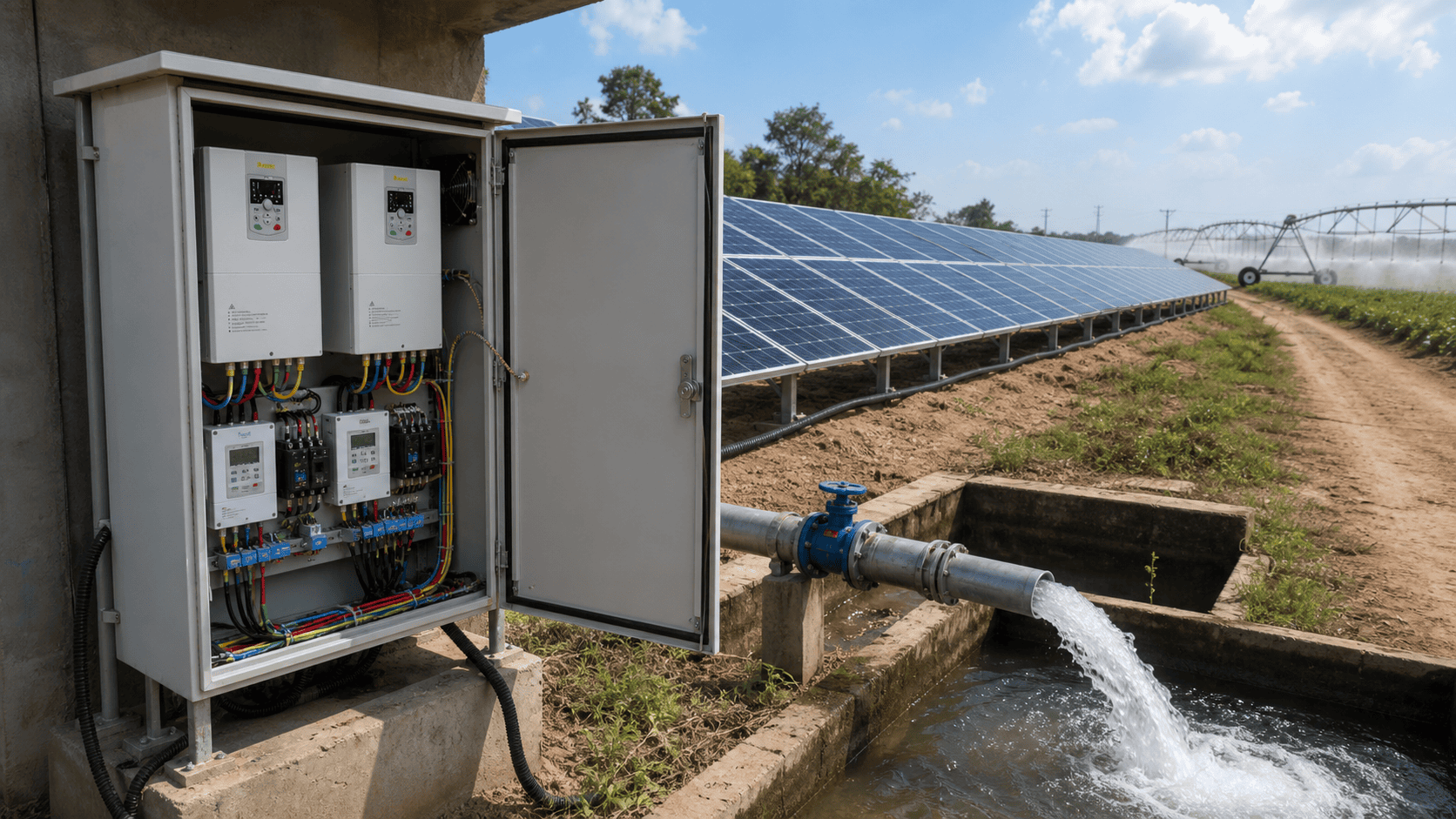
The first bulk order should include an after-sales plan, not only a packing list. Before shipment, confirm which models are included, which spare parts are recommended, who receives technical documents, and how installers will be trained. This is especially important when the distributor is entering solar pumping for the first time.
For remote markets, the buyer should also decide how failed units will be handled. Will the distributor replace boards locally? Will full units be returned? Will the factory provide remote diagnosis before replacement? These decisions affect real warranty cost.
How Warranty Quality Shows Up in the Field
A strong warranty feels simple for the customer because the service process behind it is organized. The installer knows what photos to take. The distributor knows what measurements to collect. The factory engineer receives enough data to make a decision. The customer gets a clear answer instead of repeated requests.
That is the difference between a warranty promise and long-term assurance.
Do Not Accept Vague Warranty Language
Procurement teams should avoid vague lines such as “factory warranty included” without details. Ask for the actual claim path, evidence requirements, exclusion list, and spare-part policy. A clear warranty term may look less exciting than a long promise, but it is much easier to use when the pump stops during a dry season.
FAQ
Does a longer warranty always mean a better inverter?
No. Warranty length matters, but diagnosis process, spare parts, supplier response, and installation records matter just as much.
What information should I keep for each project?
Keep pump nameplate photos, inverter model, PV string design, parameter notes, installation photos, fault records, and running current readings.
Can wrong installation void warranty support?
Wrong voltage, poor wiring, water ingress, lightning damage, or operation outside the datasheet can create warranty problems. The supplier must review evidence before deciding responsibility.
Before You Place the Order
Ask Solarseeker what records are needed for warranty support, what spare parts distributors should stock, and how remote diagnosis is handled in your market. A useful warranty should reduce downtime, not just look good in a quotation.