
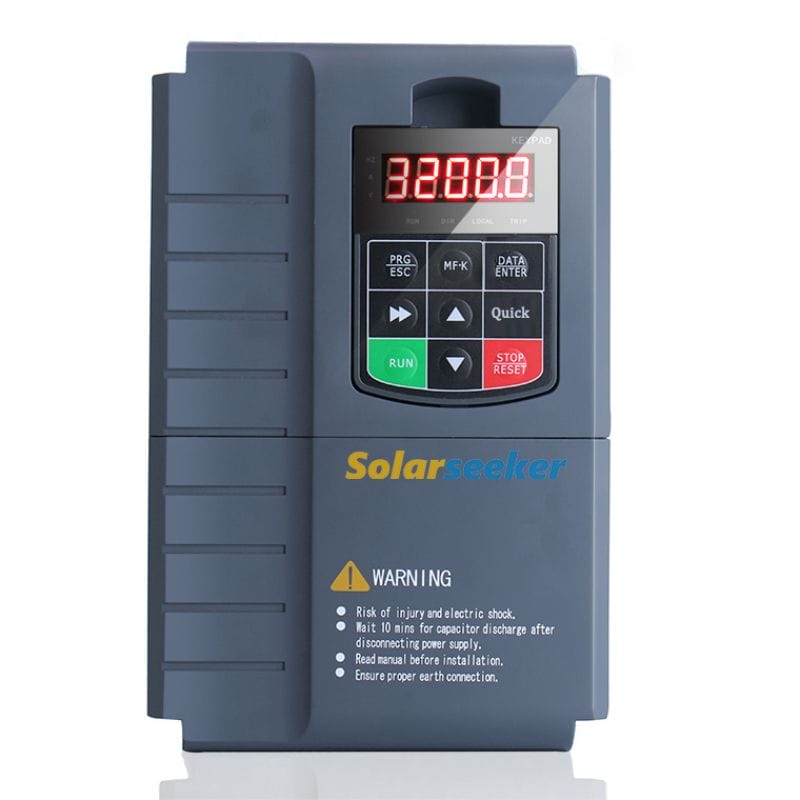
In Middle East pumping projects, dry wells, sand, heat, and long service distances make protection settings a commercial risk, not just a technical feature.
Dry-run and overload protection matter because the pump is often the most expensive part to replace on a remote site. If the well level drops, sand increases pump load, or the pipe is blocked, the inverter should detect abnormal operation before the motor or pump is damaged.
For Middle East projects, protection is not optional. High temperature, dusty cabinets, long cable runs, and seasonal water changes make small mistakes expensive. A protection alarm may look like downtime in the moment, but it may also be the reason the pump survives the dry season.
When I review Solarseeker support cases from hot and dry regions, I always ask whether the alarm is a nuisance or a warning. That difference decides whether we adjust settings or inspect the water source and pump load.
Dry-Run Protection Is About Water Source Reality
A pump can run without enough water when the well level drops, the suction side has problems, or the water source changes during the dry season. A solar pump inverter can use operating signals to stop the pump when dry-run behavior appears.
The setting must be tested carefully. Too sensitive, and the pump stops when water is still available. Too loose, and the pump may run dry long enough to damage seals or impellers.
Overload Protection Points to Pump Stress
| Field condition | What the inverter may detect | What to inspect |
|---|---|---|
| Sand in pump | Higher motor current | Pump load and water quality |
| Blocked pipe or valve issue | Abnormal load pattern | Pipeline and discharge pressure |
| Wrong pump matching | Repeated overload trip | Nameplate, head, flow, pump curve |
| Low water level | Dry-run behavior | Well level and restart timing |
| High cabinet heat | Thermal stress or derating | Ventilation and enclosure location |
Middle East Sites Need Conservative Setup
Protection settings should match the pump, not a generic default. This is especially important for deep wells and high-duty irrigation systems using a path such as SP4. The rated current, well behavior, pipe route, and cabinet environment should be reviewed before commissioning.
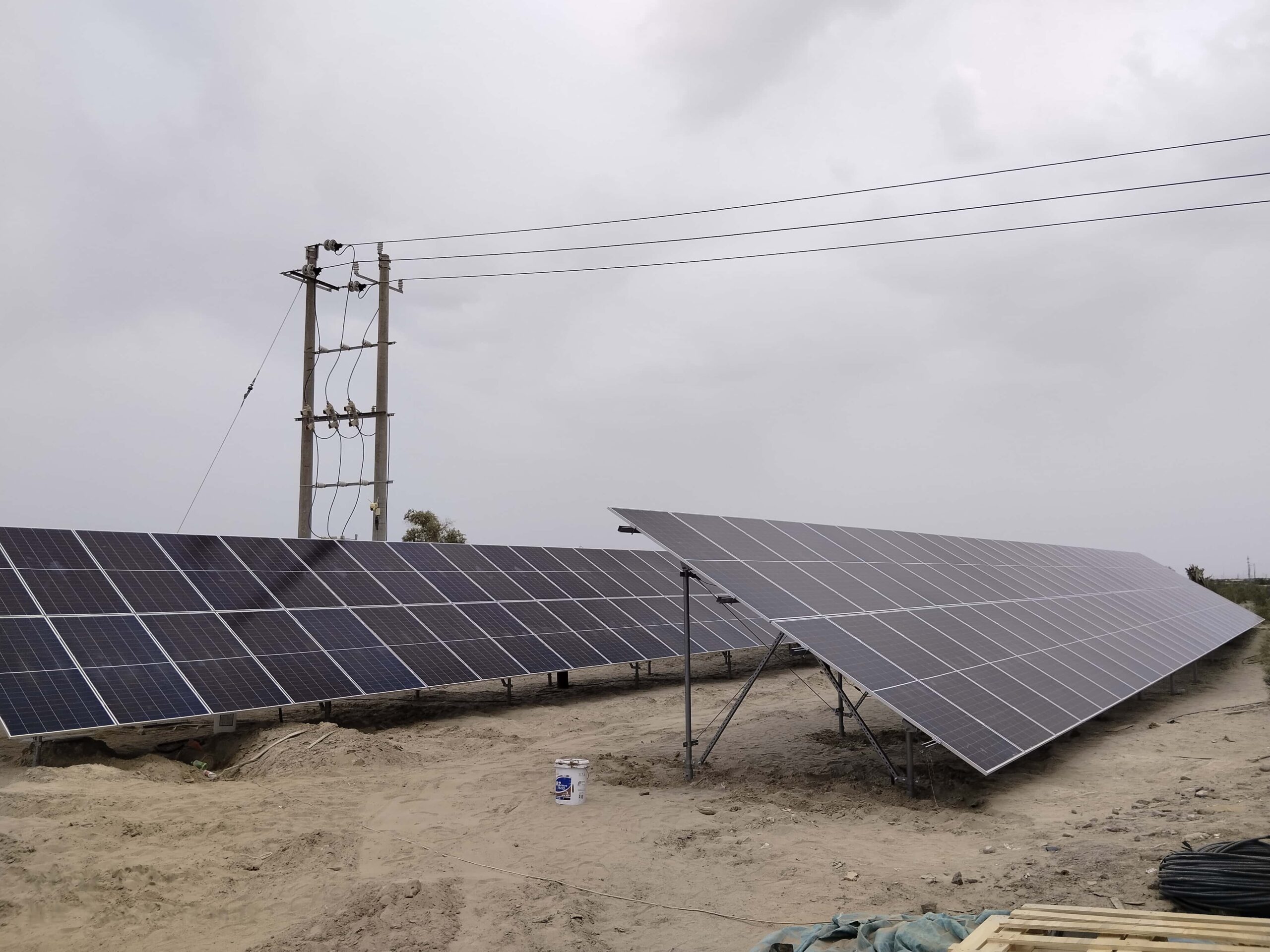
For a broader view of real project conditions, the project cases page can help teams discuss site environment and installation expectations without assuming every dry-region project behaves the same way.
Sand Turns Protection Into a Business Issue
Sand can increase pump load, wear pump parts, and create repeated overload alarms. If the site team keeps resetting the inverter without checking the pump, the system may continue running until mechanical damage becomes serious.
For distributors, this becomes a warranty argument. The customer sees an inverter alarm. The supplier asks about pump current and water quality. Clear commissioning records help both sides avoid blame and find the cause.
Heat Changes the Protection Margin
High ambient temperature reduces the margin of many electrical components. A cabinet installed in direct sun, with poor ventilation or dust-blocked airflow, can make faults more likely. Protection is not only software. It also depends on the installation environment.
Cabinet position, shade, cable routing, grounding, and inspection access should be part of the project plan. Do not treat the inverter as a sealed box that can be installed anywhere.
Protection Does Not Replace Installation Quality
Dry-run and overload features cannot fix poor wiring, loose terminals, bad grounding, undersized cables, or a pump selected outside its curve. Use qualified electricians or trained technicians, and follow local electrical rules during installation.
Commissioning Checklist for Harsh Sites
- Record pump nameplate, rated current, head, and flow.
- Check PV voltage at startup and during running.
- Measure motor current under normal pumping conditions.
- Review dry-run behavior and restart timing.
- Inspect cabinet shade, airflow, dust exposure, and cable entry.
- Record fault codes and parameter settings for future service.
Do Not Treat Every Trip as a Bad Setting
In harsh sites, installers sometimes treat every trip as a parameter problem. That is risky. A trip may be warning that the pump is running dry, the motor current is too high, or cabinet heat is outside a comfortable range.
Before changing settings, measure current, review water level, inspect the pump load, and check the cabinet environment. Parameter changes should follow evidence.
Restart Timing Matters
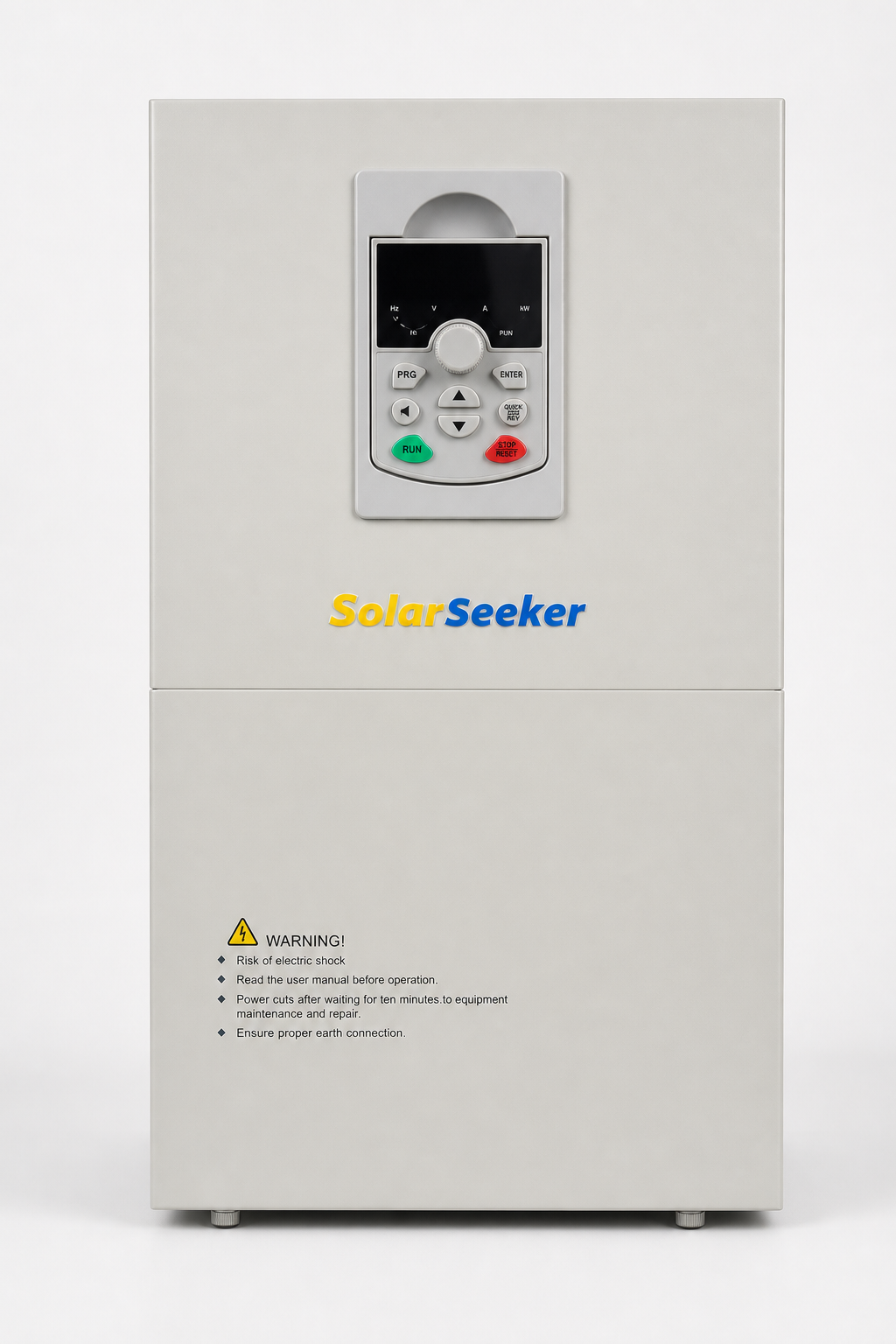
After a dry-run event, the well may need time to recover. If restart timing is too short, the pump may start again before enough water returns. If restart timing is too long, the customer may lose useful pumping hours.
The right restart logic depends on well recovery, season, and water demand. A fixed default is not always enough for Middle East wells with seasonal changes.
Distributor Service Records Reduce Warranty Conflict
Distributors should keep a service record for each site: pump nameplate, inverter model, PV string, protection settings, running current, alarm history, and cabinet photos. These records help identify whether the issue is product, pump, water source, or installation.
Without records, dry-run and overload cases often become arguments. With records, they become solvable technical problems.
Protection Settings by Risk Type
| Risk type | Protection focus | What to record |
|---|---|---|
| Seasonal low water | Dry-run and restart timing | Well level behavior |
| Sandy water | Overload and current trend | Running current and pump inspection |
| Hot cabinet | Thermal margin and ventilation | Cabinet photo and temperature condition |
| Long cable run | Voltage drop and terminal condition | Cable route and connection check |
Acceptance Test Before Leaving the Site
Before the installation team leaves, run the pump under normal sunlight and record motor current, output frequency, water flow, and any protection events. If the well has known recovery limits, test restart behavior carefully.
The goal is not to force the pump to run at all costs. The goal is to confirm that protection works without unnecessary stops.
Protection Is Part of ROI
In a remote Middle East project, replacing a damaged pump can cost far more than adjusting protection correctly during commissioning. Travel, labor, freight, customer complaints, and lost water all add cost.
Good protection reduces that risk. It helps the distributor defend quality and helps the customer keep the system running for more seasons.
What Buyers Should Ask Before Ordering
Ask the supplier how dry-run is detected, how overload is handled, what evidence is needed for support, and how protection settings should be checked during commissioning. Also ask what site data is required before model selection.
This conversation quickly separates a serious engineering supplier from a seller who only lists product features.
Train Local Teams Before Peak Season
Protection works best when local technicians understand the alarms. A short training session before peak irrigation season can prevent rushed resets, unsafe bypasses, and wrong warranty claims.
FAQ
Should dry-run protection be disabled if it stops the pump too often?
No. First check water level, suction condition, restart timing, and protection setting. Disabling protection can damage the pump.
Why does overload happen in sandy wells?
Sand can increase mechanical load and wear pump parts. The motor may draw higher current, causing the inverter to trip.
What data should be collected before changing protection settings?
Collect pump nameplate, running current, fault code, water level behavior, pipe condition, and cabinet environment photos.
Before the Dry Season Tests the Pump
Send pump nameplate, expected water level change, pipe conditions, site temperature, cabinet environment, and alarm history to Solarseeker. The right protection setup should prevent damage without creating repeated nuisance stops.