
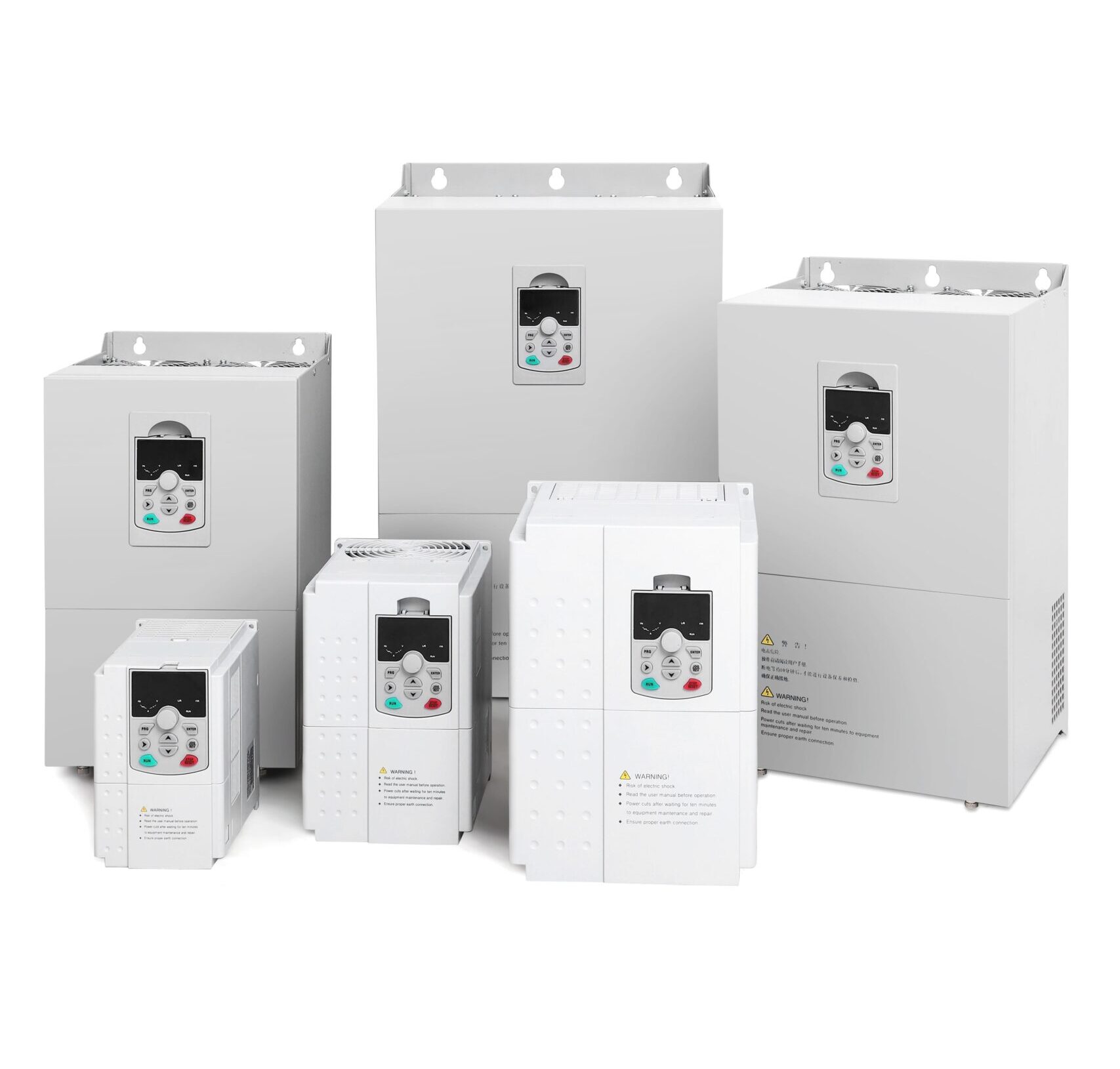
A quick product-family router for distributors, EPC teams, and pump dealers who need to explain Solarseeker’s SP inverter paths without reading every product page first.
Choose SP1, SP2, SP3, or SP4 by matching the pump nameplate first. SP1 fits 220V single-phase pump projects. SP2 fits 220V input with 220V three-phase output needs. SP3 fits 220V three-phase pump systems. SP4 fits 380V three-phase pumps, deep wells, and larger irrigation projects.
Motor Windings and Electrical Specifications First
Many wrong quotations start with the product name.
A buyer says, “I need an SP inverter.” The distributor then asks for pump power only. That is not enough. The real first question is still the pump nameplate: voltage, phase, power, rated current, frequency, and motor type.
SP1, SP2, SP3, and SP4 are not four price levels.
They are different product paths for different pump and power conditions. A smaller project can still need the wrong model if the phase does not match. A larger project can also fail if the inverter output voltage is selected from guesswork.
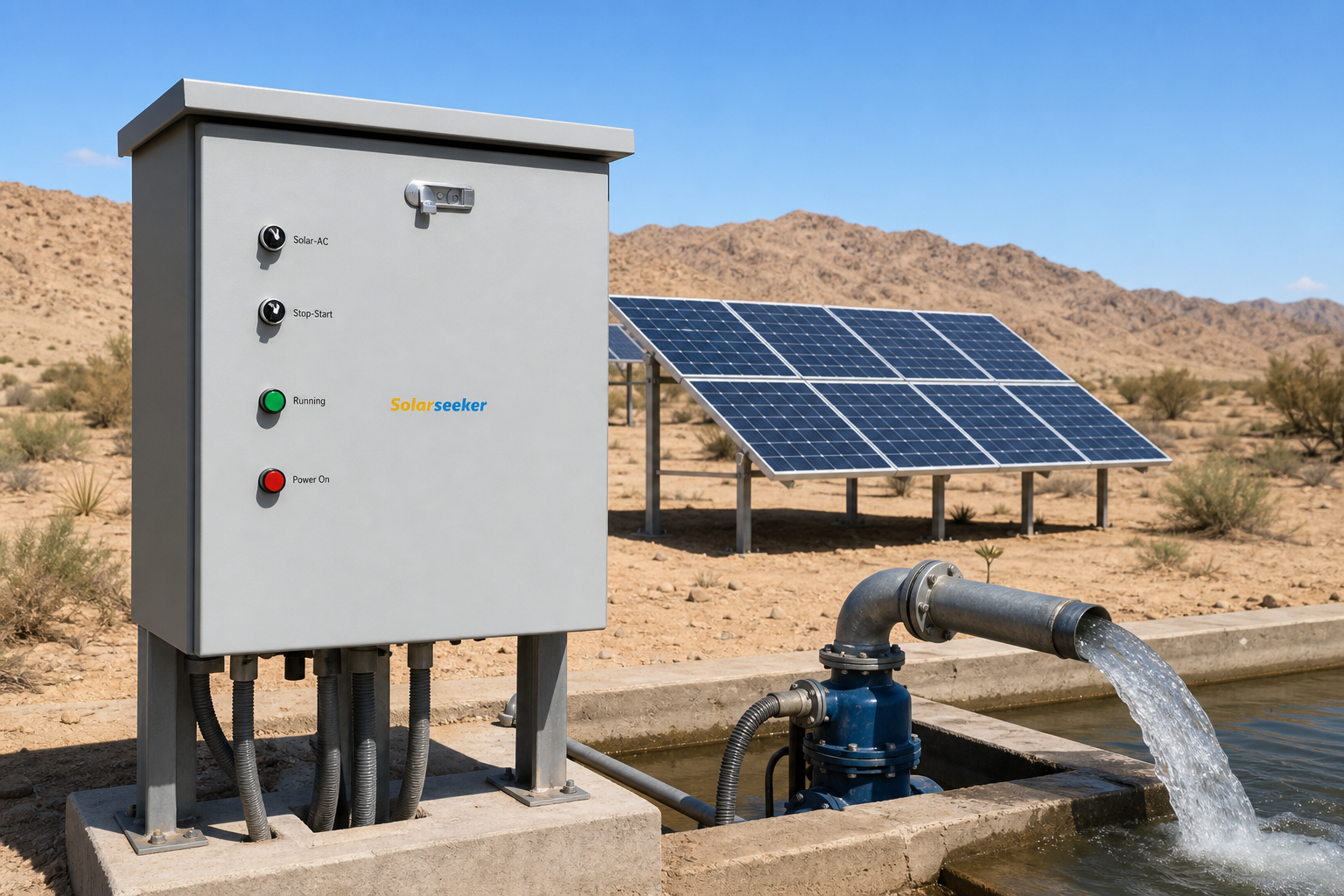
For the broad product category, Solarseeker’s solar water pump inverter page is the main reference. This article works as the quick router before a distributor sends the inquiry to engineering.
SP Model Path Table
Use this table as the first sorting tool before quotation.
| Product path | Typical pump or site condition | First data to confirm | Common mistake to avoid |
|---|---|---|---|
| SP1 | 220V single-phase pump systems, smaller irrigation, tank filling, garden or light farm water supply | Pump voltage, phase, rated current, head, flow, and cable distance | Treating a single-phase pump like a three-phase motor |
| SP2 | 220V-side input condition with 220V three-phase pump output need | Input source, pump output voltage, phase, current, and overload behavior | Assuming 220V can drive any three-phase pump, including 380V motors |
| SP3 | 220V three-phase pump systems where the motor and output path match | Pump nameplate, rated current, PV input range, and site demand | Confusing 220V three-phase with 380V three-phase |
| SP4 | 380V three-phase pumps, deep wells, larger irrigation, higher-power agricultural water projects | Pump current, total head, flow, PV string plan, cable route, and protection needs | Choosing only by kW while ignoring voltage, phase, and duty point |
This table does not replace engineering selection. It helps sales teams place the inquiry in the right lane before a detailed model check.
When SP1 Is the Cleaner Path
SP1 is the path to check when the project uses a 220V single-phase pump.
That often means smaller water supply jobs, garden irrigation, light farm use, livestock tank filling, or a buyer who already has a 220V single-phase pump installed. The system may look simple, but the nameplate still matters.
Single-phase pumps can have different starting behavior from three-phase pumps. Some older pumps also have unclear labels. Cable distance and voltage drop can turn a simple project into a field complaint.
SP1 should be reviewed when the pump is clearly single-phase and the water demand stays within that project scale. If the buyer is moving into deep wells, higher flow, or larger irrigation zones, a three-phase path may be more suitable.
When SP2 Solves the 220V Input Problem
SP2 is useful when the site has a 220V-side supply condition, but the pump needs a three-phase output path.
The key word is compatible.
SP2 is not a magic converter for every three-phase motor. The pump output voltage still has to match. A 220V three-phase motor can be reviewed for the phase-conversion path. A 380V three-phase motor needs another quotation route.
This is a common distributor question in markets where 220V supply is available, but local pump stock includes three-phase motors. The right discussion is not only “single-phase to three-phase.” It is input source, output voltage, rated current, and pump duty.
Ask for the nameplate before recommending SP2. That one photo often prevents the wrong model from being shipped.
When SP3 Fits the 220V Three-Phase Pump
SP3 is the path for 220V three-phase pump systems.
This is a narrower condition than many buyers expect. A pump can be three-phase and still not be 220V. That is why the voltage line on the nameplate matters so much.
SP3 may fit projects where the pump motor, inverter output, and PV input design all point toward a 220V three-phase system. The buyer should still send rated current, head, flow, cable distance, and PV module data.
Do not select SP3 only because the inquiry says “three-phase pump.” A 380V nameplate usually points the project toward SP4 first.
When SP4 Becomes the Safer Direction
SP4 is the main path to review for 380V three-phase pumps.
That often includes deep wells, larger irrigation systems, higher-flow farm pumping, and projects where motor current and service risk are more serious. SP4 is not selected because the site is “big” in a vague way. It is selected because the pump voltage, phase, power range, current, and duty point fit the 380V three-phase path.
For distributors, SP4 is often the safest first explanation when the buyer has a 380V three-phase motor, deep-well pumping, or a larger agricultural system. The final model still needs a proper check.
A wrong SP4 selection can also be expensive. Undersizing the inverter, ignoring pump current, or missing the PV string window can cause weak output, trips, replacement freight, and return visits to the site.
The Data That Decides the Product Family
The model family is easier to choose when the buyer sends useful data at the start.
Ask for a clear pump nameplate photo first. It should show voltage, phase, power, rated current, and frequency. For an old or installed pump, request photos of the control box and any old inverter label as well.
Next, ask for water-side information. Head and flow are not decoration. They tell the engineer whether the pump can do the job and whether the motor load makes sense.
PV data also matters. Module power, Voc, Vmp, planned string layout, local temperature, and cable distance affect whether the inverter starts early, runs steadily, or trips during weak sun.
For many selection cases, these starting rules help frame the PV discussion:
| Pump system | PV array power starting rule | Useful Vmp target |
|---|---|---|
| 220V single-phase pump | PV Array Power >= Pump Rated Power x 2.0 | Around 320V DC Vmp |
| 380V three-phase pump | PV Array Power >= Pump Rated Power x 1.3 to 1.5 | Around 540V DC Vmp |
These are starting rules, not final drawings. The inverter datasheet and site conditions decide the final string plan.
Common Mistakes When Choosing Between SP1-SP4
The first mistake is choosing by pump power only.
Two pumps with the same kW rating can need different inverter paths because voltage and phase are different. Rated current can also change the selection.
Another mistake is treating all three-phase pumps as the same. A 220V three-phase pump and a 380V three-phase pump do not belong in the same output path.
Some buyers also ignore the hydraulic duty point. A pump that cannot meet the required head and flow will not be fixed by a different inverter model.
The last mistake is skipping PV input design. A correct inverter family can still perform badly if the panels are undersized, Vmp is too low, Voc is too high, or cable distance is ignored.
Field Example: A Distributor Needs One Fast Explanation
A distributor receives weekly inquiries from pump dealers.
One dealer sells small 220V single-phase pumps for gardens. Another works with 220V supply sites that need phase conversion. A third dealer asks about 380V three-phase deep-well systems.
Without a simple router, every inquiry becomes a long technical discussion. The sales team may ask for the wrong data, quote the wrong family, or delay the engineering review.
A better approach is to explain SP1 to SP4 by pump voltage and phase first.
SP1 handles the 220V single-phase pump route. SP2 is checked for 220V-side input with compatible three-phase output needs. SP3 belongs to 220V three-phase pump systems. SP4 is reviewed for 380V three-phase pumps and larger irrigation or deep-well projects.
After that first explanation, the distributor asks for the same data every time: pump nameplate, head, flow, cable distance, PV module data, and site power condition. The quotation becomes faster and easier to defend.
Safety and Installation Notes
Product-family selection is not a wiring approval.
Solar pump inverter installation involves PV input, inverter output, motor cable, grounding, protection devices, and sometimes grid or generator input. Installation should follow local electrical codes, product manuals, and qualified-technician practice.
Do not let an installer “try” a model on a pump with unclear voltage or phase. Confirm the nameplate before wiring, commissioning, or changing an existing control box.
FAQ
Which SP model fits a 220V single-phase pump?
SP1 is usually the first path to check for 220V single-phase pump systems. Final selection still depends on rated current, head, flow, cable distance, PV data, and site conditions.
Which SP model fits a 220V three-phase pump?
SP3 is the path to check when the pump is truly 220V three-phase. If the site has a 220V-side input and needs phase conversion, SP2 may also need review depending on the input and output requirement.
Which SP model fits a 380V three-phase pump?
SP4 is usually the first path to check for 380V three-phase pumps, deep wells, larger irrigation systems, and higher-power agricultural water projects.
Can I choose SP1, SP2, SP3, or SP4 by pump power only?
No. Pump power is only one part of selection. Voltage, phase, rated current, frequency, head, flow, cable distance, and PV input data are also needed.
What data should I send before asking for a model recommendation?
Send the pump nameplate, pump power, voltage, phase, rated current, frequency, total head, required flow, cable distance, PV module Voc and Vmp, string plan, and site power source.
Ask for a Solarseeker Model Recommendation
Before choosing between SP1, SP2, SP3, and SP4, collect the pump and site data in one message.
Send Solarseeker the pump nameplate, voltage, phase, rated current, head, flow, cable distance, PV module data, and site power condition through the contact page. The engineering team can then recommend the correct SP product path before the quotation goes too far.