
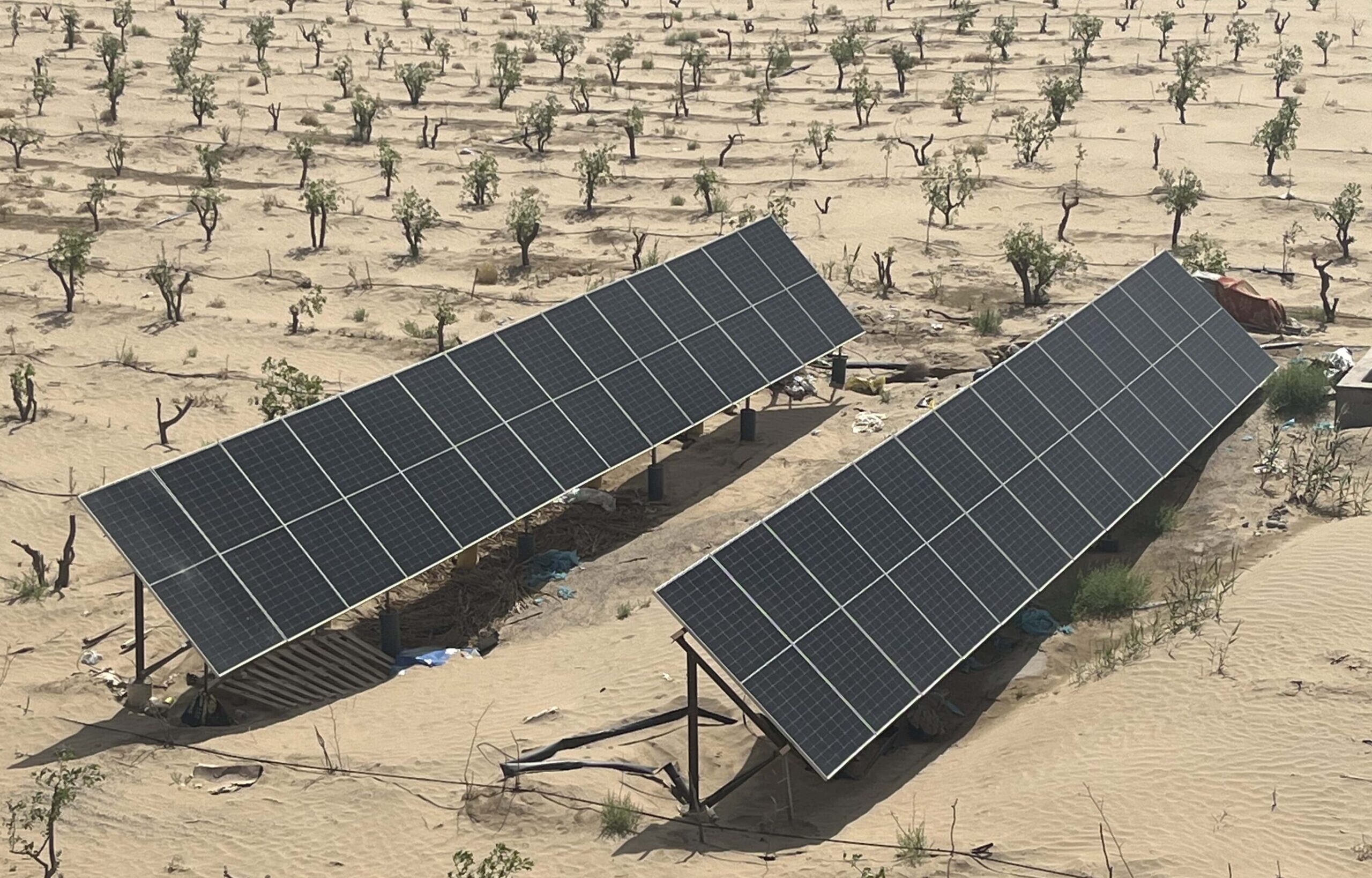
A practical guide for buyers matching well depth, pump nameplate, total head, flow, and PV array data before choosing a solar pump inverter.
A submersible well pump can run on solar power when the inverter matches the pump motor and the PV array supports the required voltage and power. Do not choose by well depth alone. Buyers must confirm pump voltage, phase, rated current, total dynamic head, required flow, cable distance, and PV string plan before model selection.
Well Depth Is Not Enough for Model Selection
On a deep-well site, buyers often send one number first: well depth.
That number helps, but it is not the full pumping job. The inverter does not drive the well depth. It drives the motor. The pump must also overcome pipe loss, water level change, elevation difference, valve loss, and the pressure needed at the outlet.
That full number is called total dynamic head.
If the supplier only receives “80 meters well depth,” the model recommendation may be wrong. The actual total head could be higher after pipe route and pressure demand are included. As a result, the pump may run, but the water output can be weak.
For buyers reviewing well-pump options, Solarseeker’s submersible well water pump page is the pillar path for this topic.
Submersible Pump Data Table
Use this table before asking for a solar inverter model. It turns a rough inquiry into an engineer-ready request.
| Data to send | Why it matters | What can go wrong if missing |
|---|---|---|
| Pump nameplate photo | Shows power, voltage, phase, current, and frequency | Wrong output voltage or undersized inverter |
| Well depth | Helps estimate lift from the water source | Only a partial head number |
| Static and dynamic water level | Shows real lift while pumping | Pump may be selected for the wrong water level |
| Total dynamic head | Combines lift, pipe loss, and pressure demand | Weak flow or missed irrigation target |
| Required flow | Confirms daily water output and pump duty point | Pump may run but deliver too little water |
| Pipe length and diameter | Affects friction loss | Hidden head loss and higher motor load |
| Cable distance | Affects voltage drop and installation risk | Heating, weak output, or nuisance trips |
| PV module Voc, Vmp, and string plan | Confirms inverter DC input window | Late start, sleep mode, or over-voltage risk |
| Water source condition | Helps check dry-run risk and sediment issues | Pump damage or frequent protection trips |
This table also helps distributors.
When every inquiry includes the same data, model selection becomes faster. It also reduces arguments after installation, because the supplier and buyer are working from the same site facts.
Match the Pump Motor Before the Solar Array
The first technical check is the pump motor.
A submersible pump may be single-phase or three-phase. It may use 220V or 380V. The rated current can also be higher than buyers expect, especially on deep-well pumps with heavy load.
The inverter output must match the motor voltage and phase. A wrong phase path is not a small mistake. It can stop commissioning or damage equipment.
After the motor is clear, check the hydraulic side.
The pump must reach the required duty point: total dynamic head and flow. If the pump is not suitable for that duty point, even a correctly sized inverter cannot create the missing water.
Only then should the EPC team check the PV array.
Panel power and working voltage decide whether the inverter can start early enough, keep running under changing sunlight, and avoid DC input problems. For a full selection workflow, the deep well water pump guide is a useful next reference.
PV Array Starting Rule for Well Pumps
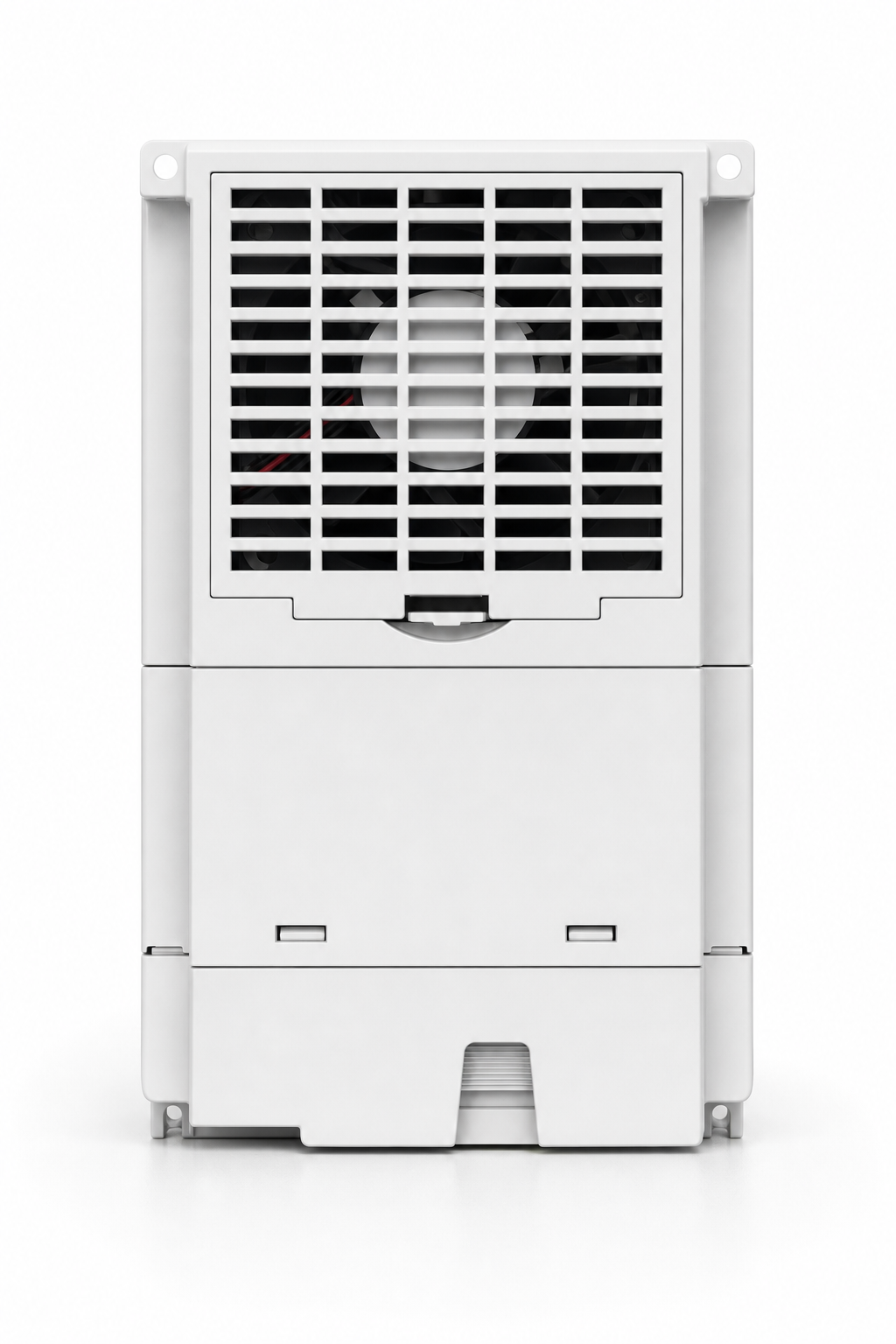
Submersible water pumps for wells often need careful PV matching because deep wells may use larger 380V three-phase motors.
Use this table as the starting rule when checking pump voltage, inverter sizing, and panel matching.
| Pump system | PV array power starting rule | Useful Vmp target |
|---|---|---|
| 220V single-phase pump | PV Array Power >= Pump Rated Power x 2.0 | Around 320V DC Vmp |
| 380V three-phase pump | PV Array Power >= Pump Rated Power x 1.3 to 1.5 | Around 540V DC Vmp |
These are not final drawings.
The final design still depends on panel Voc, Vmp, site temperature, inverter DC input range, cable distance, and water schedule. Cold weather can raise Voc. Hot conditions can pull Vmp down. Both can affect whether the pump starts smoothly or trips during operation.
When SP4 Becomes the Safer Path
Many deep-well submersible pumps use 380V three-phase motors. When that is the case, the inverter path should follow the motor.
Solarseeker’s SP4 solar pump inverter is the product path to review for 380V three-phase well pumps, deep wells, and larger agricultural water projects. It is not selected because the well is deep by itself. It is selected when the pump motor, power range, current, and water duty point fit a 380V three-phase path.
For smaller well pumps, another product path may be enough.
That is why the pump nameplate matters more than a quick guess. Two wells with similar depth can use different motors, different pipe routes, and different flow targets. The right inverter can change with those details.
Field Example: Buyer Sends Depth but Not Head
A buyer wants to run a submersible pump from solar power.
The first message says the well is 90 meters deep. That sounds like useful information, but the supplier still cannot choose a model safely.
The water level may drop while pumping. The pipe may run uphill after leaving the well. The irrigation system may need pressure at the field. The cable may be long. The pump may be 380V three-phase, or it may be a smaller 220V unit.
After checking the site, the buyer sends the pump nameplate, dynamic water level, pipe route, required flow, and PV panel data.
Now the recommendation is much safer. If the motor is 380V three-phase and the duty point is heavy, SP4 can be checked. If the pump is smaller and the head is moderate, a lighter path may fit.
The lesson is simple: well depth starts the conversation, but it does not finish the selection.
What EPC Teams Should Confirm Before Quoting
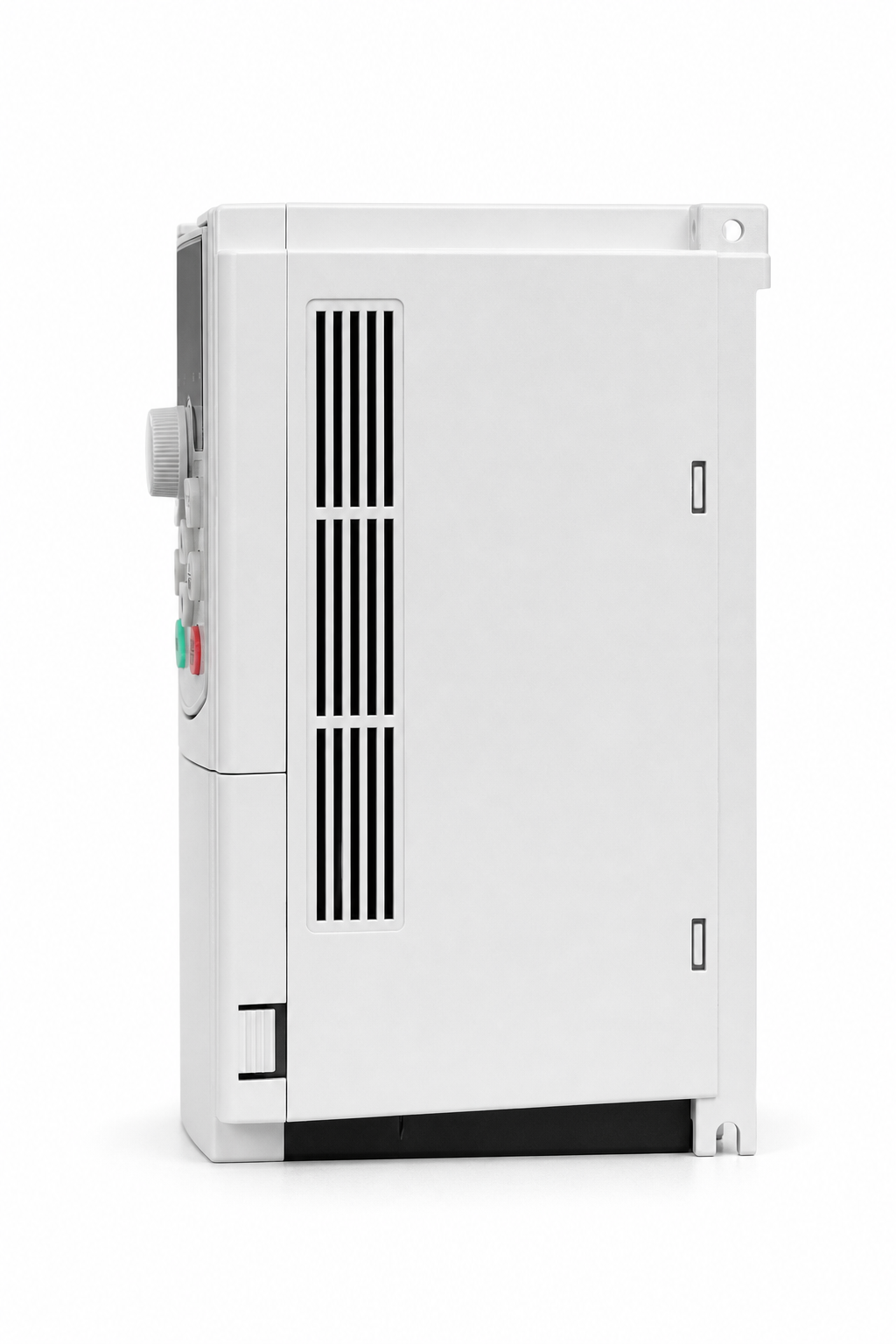
Before a distributor or EPC team quotes a submersible well pump inverter package, separate confirmed facts from assumptions.
Confirm whether the pump is new or already installed. Ask whether the motor cable is already in the well, whether the water level changes during the dry season, and whether the buyer needs pressure for irrigation or only tank filling.
Also check who will install and commission the system. A trained installer can measure current, verify grounding, and record PV voltage during startup. A farm buyer without those tools may need a clearer checklist and stronger remote support.
These details change the service path even when two pumps have the same kW rating.
Installation and Protection Notes
Submersible well pump systems involve PV DC input, inverter output, motor cable, grounding, protection devices, and a water source that can change during the day.
Dry-run protection matters when water level drops. Overload protection matters when the pump works outside its curve. Cable distance matters because voltage drop can turn a correct model into a weak field result.
Installation should follow local electrical codes, product manuals, grounding rules, and qualified-technician practices. This article explains selection logic. It is not a wiring manual.
FAQ
Can submersible water pumps for wells run on solar power?
Yes. A submersible well pump can run on solar power when the solar pump inverter matches the pump motor voltage, phase, rated current, and hydraulic duty point. The PV array must also match the inverter input range.
Is well depth enough to choose a solar pump inverter?
No. Well depth is only part of the total dynamic head. Buyers should also send dynamic water level, pipe length, elevation change, outlet pressure, required flow, and pump nameplate data.
What specs matter most for submersible well pump selection?
The most important specs are pump power, voltage, phase, rated current, frequency, total dynamic head, required flow, cable distance, and PV module Voc, Vmp, and string layout.
When should I use SP4 for a submersible well pump?
SP4 is worth checking when the submersible well pump uses a 380V three-phase motor, needs a wider power range, or serves a deep-well or larger irrigation project. Final model selection still depends on pump current, head, flow, and PV design.
What causes weak water output in a solar well pump system?
Common causes include wrong total head estimate, undersized PV array, low Vmp, long cable voltage drop, wrong pump curve, blocked pipe or filter, low water level, or a mismatched inverter output voltage or phase.
What to Send for an Engineering Review
Before ordering, collect the well and pump data together.
Send Solarseeker the pump nameplate, well depth, static and dynamic water level, total dynamic head, required flow, pipe route, cable distance, water source condition, PV module data, and planned string layout through the contact page. That gives the engineer enough information to check the safer inverter path.