
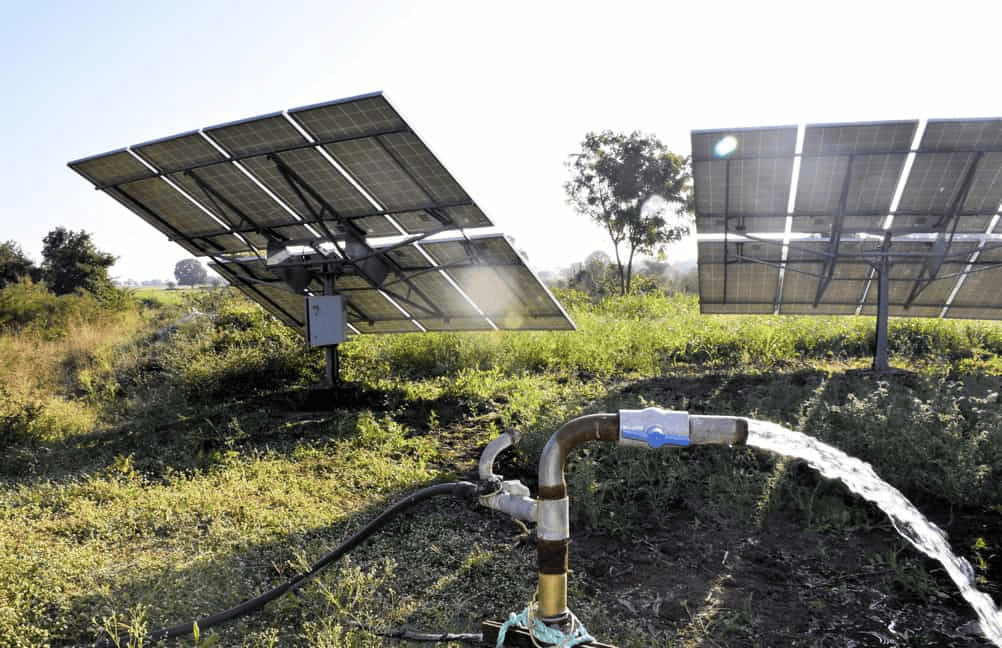
Hybrid pumping is a water-schedule decision first, and an inverter feature second.
A hybrid solar pumping site usually fails at the changeover point, not at noon. The pump works well when PV power is strong, but the farm still needs water during cloudy weather, evening tank filling, or emergency generator use.
An AC solar pump inverter gives EPC teams more room to design around that reality. It can run a standard AC pump from solar input and, when the system is designed correctly, support grid or generator backup. That does not mean the wiring can be improvised. It means the power plan must match the water plan.
Map the Water Hours Before Choosing Hardware
Start with when water is needed. A daylight-only irrigation block may not need backup. A farm that must fill a tank by evening has a different problem. A remote project with an emergency generator has a different problem again.
- How many hours must the pump run each day?
- Can the site store water, or must the pump run on demand?
- Is grid power stable enough to use as backup?
- Will the generator run daily or only during emergency periods?
- Is the existing pump a standard AC motor?
Where Hybrid AC Pumping Earns Its Keep
| Field condition | Hybrid value | Risk if ignored |
|---|---|---|
| Cloudy irrigation season | Backup source protects daily water output | Weak crop watering schedule |
| Evening tank filling | Grid or generator can extend runtime | Tank is empty before morning demand |
| Existing AC pump | Keep the pump and upgrade control | Unnecessary pump replacement |
| Large three-phase load | Standard AC motor path stays available | Small DC package is pushed beyond its job |
For a field reference, the Ningxia 15kW hybrid solar pump inverter case shows why backup logic matters when a three-phase PV inverter system must keep pumping under harsh field conditions.
The Changeover Is the Risk Point
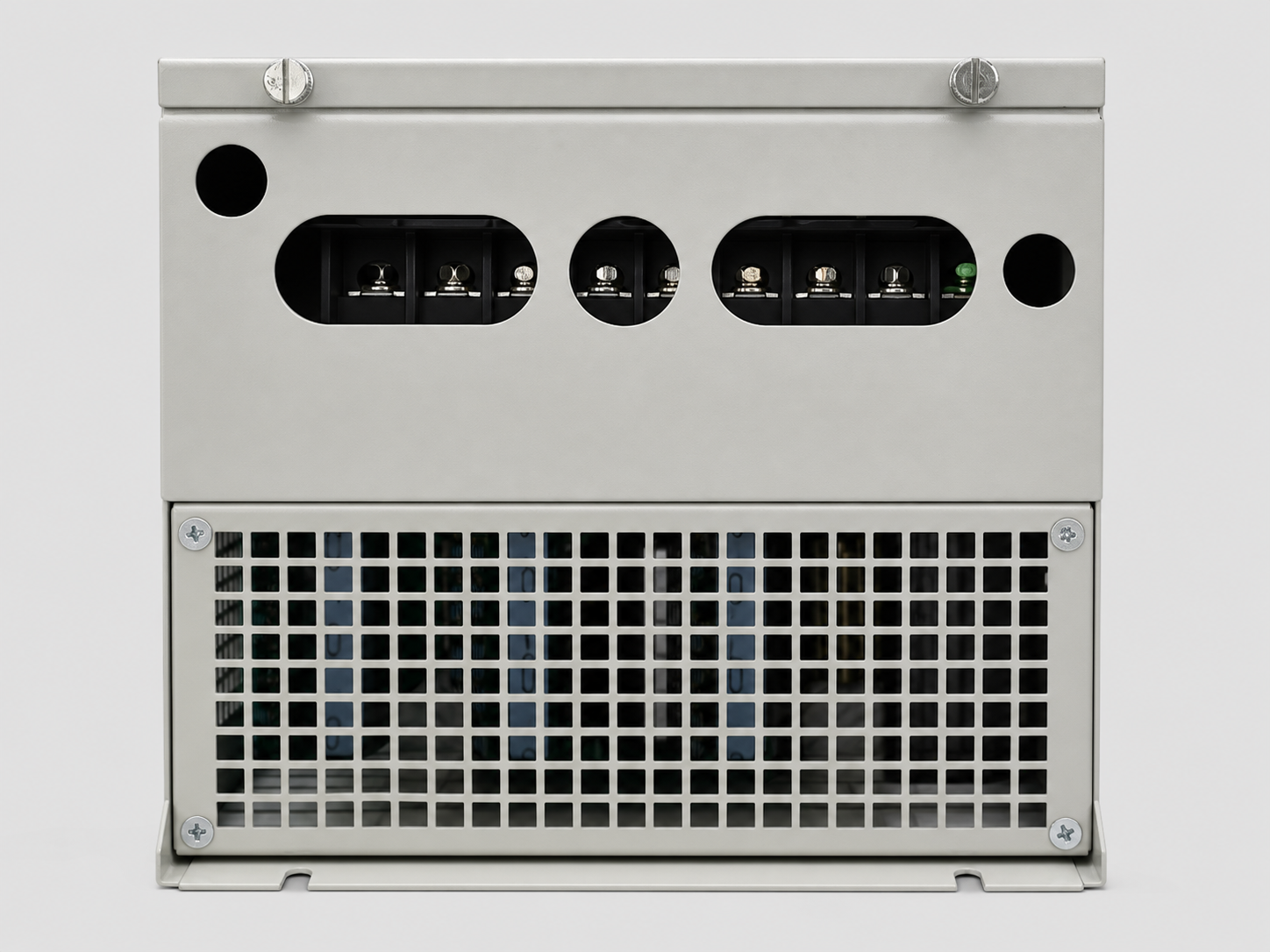
Hybrid input is not just connecting more wires. The system needs proper isolation, protection devices, grounding, and qualified electrical work. Follow local electrical codes. A weak generator can cause trips, cable heating, or unstable water output.
This is where the solar pump inverter selection must match both pump data and backup source quality.
What to Confirm Before Quoting
- Pump power, voltage, phase, and rated current
- PV module Vmp, Voc, and string plan
- Grid voltage range and availability
- Generator rated power and voltage stability
- Required pumping hours and daily water target
- Site distance from service support
For three-phase agricultural systems, use the SP4 model path only after checking the pump nameplate and source plan.
Backup Power Does Not Fix a Weak Solar Design
Hybrid input should not be used to hide poor PV sizing. If the PV array is weak, the system will still start late, run slowly, and depend on paid power more often than planned. Backup power should protect the water schedule, not compensate for a careless solar design.
The inverter selection also has to match the backup source. A generator with unstable voltage may create trips that look like inverter problems. A grid supply with poor voltage regulation can do the same. For this reason, EPC teams should record the source condition before wiring.
A Better Hybrid Quotation Format
| Quotation item | Why it matters |
|---|---|
| Daily water target | Defines whether backup is truly needed |
| PV string plan | Defines free solar runtime |
| Generator or grid data | Defines safe changeover design |
| Pump nameplate | Defines inverter voltage, current, and phase |
Dual-Power Hybrid Control Logic: Seamless Day and Night Pumping
In agricultural regions with erratic utility power or seasonal river allocations (such as the Warabandi canal turns in Pakistan or off-peak irrigation tariffs in South Africa), farmers must pump water continuously regardless of cloud cover. AC solar pump inverters solve this by accommodating dual AC and DC inputs simultaneously.
During the day, the inverter’s MPPT controller draws 100% of its power from solar PV panels. When late afternoon clouds roll in or night pumping is required, an automatic or manual transfer switch supplements power from a diesel generator or single/three-phase utility grid without restarting the pump motor.
| Hybrid Mode | Operating Logic | Best Agricultural Application |
|---|---|---|
| Solar Priority (Pure MPPT) | 100% solar driven; variable frequency based on sunlight | Standard daytime field irrigation and reservoir filling |
| Manual Transfer Switch (MTS) | Operator toggles between Solar DC and Diesel/Grid AC | Cost-sensitive farm tubewells with emergency backup needs |
| Auto-Switching Cabinet | Smart contactor blends or switches sources based on DC bus voltage | High-value cash crops, poultry houses, and commercial greenhouse misting |
Because AC motors are standard 50/60 Hz induction machines, they run identically whether powered by synthesized VFD output, utility grid, or generator power, eliminating the risk of motor burnout.
Before the Site Team Starts Wiring
Send pump data, PV string data, grid condition, generator rating, and required pumping hours to Solarseeker. The safer decision is to verify the changeover plan before equipment reaches the field.