
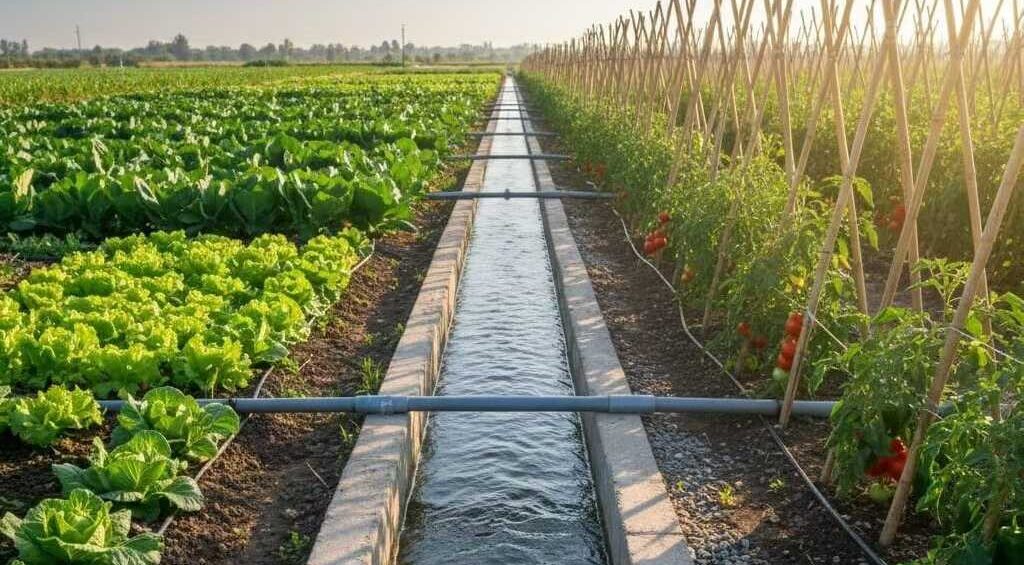
Customization should start from the project duty point, site risk, and service model, not from a request for a special label on the inverter.
Large agricultural and municipal pumping projects rarely fit a catalog line perfectly. The pump may be oversized for future demand. The well may have seasonal water changes. The cabinet may need better heat protection. The buyer may need monitoring, hybrid backup, private label, or preset parameters for repeated installations.
Custom Solar VFD solutions are useful when they remove field risk or make repeated projects easier to install and support. They are not useful when they add features before the basic hydraulic and electrical match is confirmed.
The base solar pump inverter selection should be proven first. After that, customization can support the real project instead of hiding a weak design.
Engineering Priority: Technical Verification Before Quoting
The duty point decides the system. Confirm head, flow, pump curve, motor voltage, rated current, pipe route, and daily runtime before asking for a custom cabinet or software function.
This matters because many project problems look like inverter problems but start with pump selection. A pump chosen outside its efficient range may overload. A long pipe route may reduce real flow. A well with changing water level may create dry-run events during the dry season.
Agricultural and Municipal Projects Need Different Customization
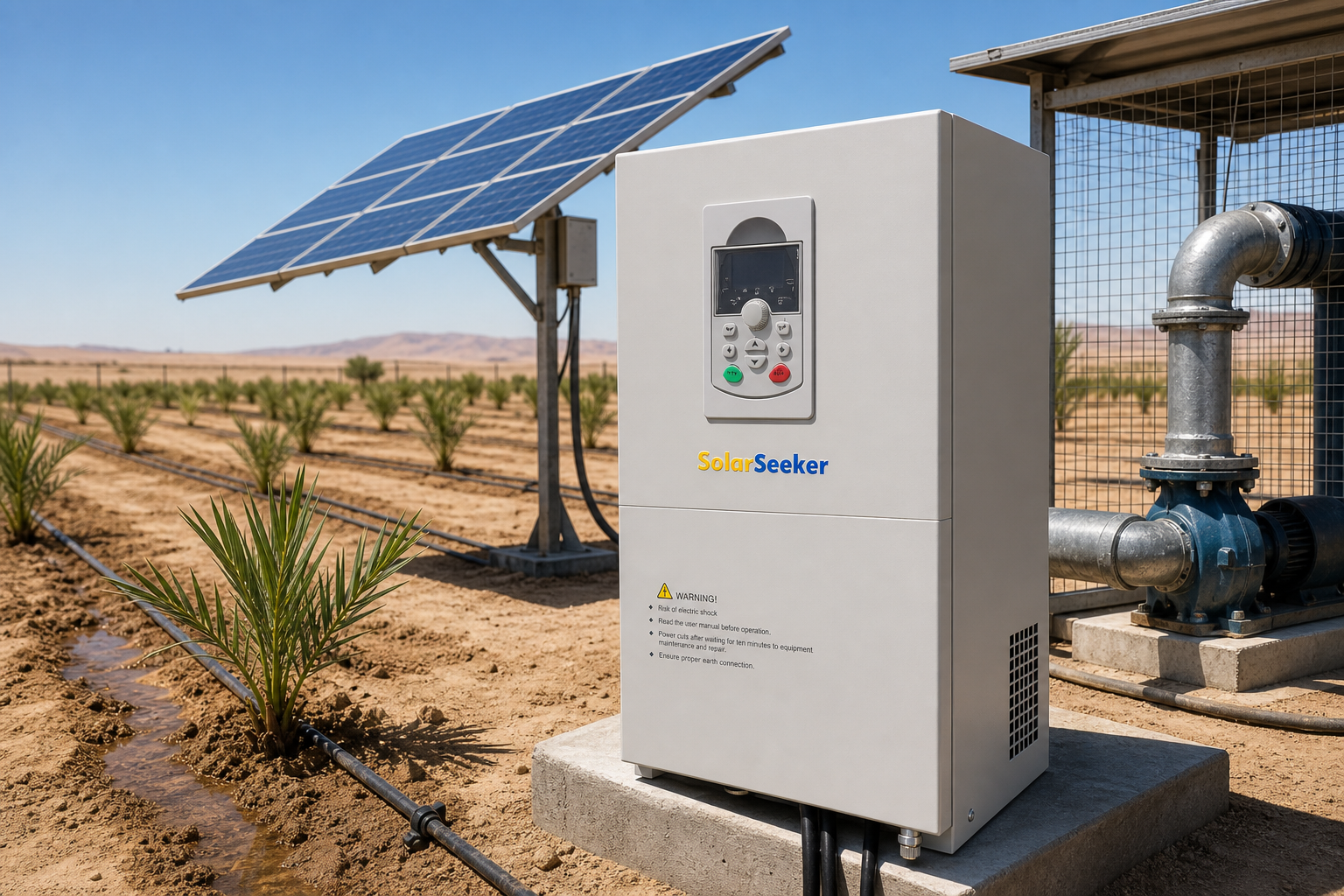
Agricultural buyers usually care about water output, irrigation timing, simple operation, and field repair. Municipal buyers often add documentation, operator access, monitoring records, public installation safety, and predictable service response.
| Project type | Common priority | Useful customization |
|---|---|---|
| Large farm irrigation | Daily water output and easy service | Parameter preset, dry-run settings, cabinet protection |
| Deep well pumping | Motor protection and stable operation | Overload logic, monitoring, three-phase model check |
| Municipal water supply | Uptime records and operator control | Monitoring, access control, documentation support |
| Distributor repeat projects | Fast installation and lower callback risk | Preset parameters, labeling, model shortlist |
| Remote village supply | Simple operation and fewer site visits | Clear interface, alarm records, protected cabinet |
Customization Areas That Actually Matter
Useful customization usually sits in one of five areas: enclosure, power source planning, monitoring, parameter setup, or channel branding.
- Cabinet and enclosure: Useful for heat, dust, rain, public sites, or remote installations where equipment needs better physical protection.
- Hybrid input planning: Useful when water is needed outside solar hours and the site also has grid or generator backup.
- Monitoring: Useful for remote sites, municipal users, and distributors that need fault evidence.
- Parameter preset: Useful when a distributor repeats similar pump sizes and wants fewer installer mistakes.
- Private label: Useful for established channels, but only when service and spare parts are already planned.
For 380V three-phase agricultural and municipal projects, the SP4 product path is often checked before cabinet, monitoring, or hybrid requirements are added.
What Should Not Be Customized Too Early
Color, logo, screen wording, and packaging can support a distributor program. They should not come before the technical match. A custom front panel will not fix low PV voltage. A custom cabinet will not fix the wrong pump curve. A private label program will not protect a distributor if installers have no fault diagnosis process.
This is where many bulk buyers get the order wrong. They spend time negotiating appearance while the pump data is still missing.
How to Build a Custom Project Specification
- Collect pump nameplate, pump curve, head, flow, water source data, and pipe route.
- Confirm pump voltage, phase, rated current, and site power plan.
- Review PV array size, Vmp, Voc, cable distance, and local temperature range.
- Define protection needs: dry-run, overload, restart timing, and low-water behavior.
- Decide whether monitoring is needed and who will respond to alarms.
- Choose cabinet requirements based on heat, dust, rain, access, and public exposure.
- Add private label or packaging requirements only after the technical package is stable.
Project Examples Should Guide Discussion, Not Replace Engineering
Photos and project references help teams discuss site conditions. For a broad reference, review Solarseeker’s solar water pump project cases and compare the visible installation environment with your own project. Do not copy a configuration without checking pump data and site conditions.
Hidden Costs of Poor Customization
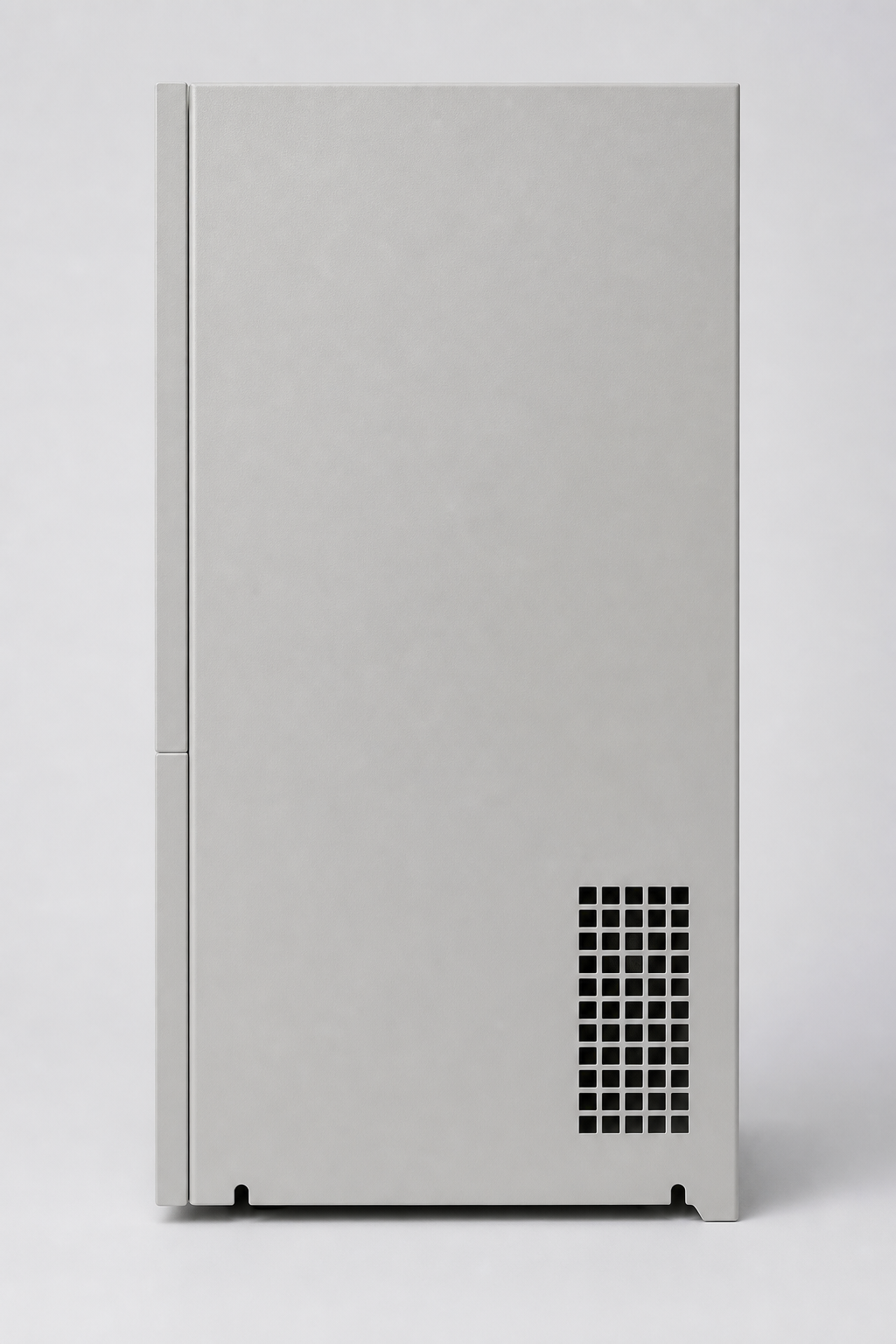
Poor customization creates cost after shipment. A cabinet that runs too hot causes failures. Missing labels slow installation. Wrong parameter presets create nuisance trips. No monitoring means the distributor must send a technician before knowing whether the problem is PV voltage, pump load, or water level.
Those costs do not appear in the factory quotation, but they appear in the distributor’s margin and the EPC team’s schedule.
How Customization Changes the Quotation
A custom quotation should show more than a model number and price. It should explain which parts are standard, which parts are customized, and which site assumptions were used. This prevents confusion when procurement, engineering, and installation teams read the same quote.
| Quotation item | Why it should be clear |
|---|---|
| Base inverter model | Confirms voltage, phase, power, and current range |
| Cabinet or enclosure | Shows heat, dust, rain, and mounting assumptions |
| Monitoring option | Clarifies hardware, communication, and support scope |
| Parameter preset | Reduces installer confusion on repeated projects |
| Private label or packaging | Separates branding cost from engineering cost |
Build a Repeatable Package, Not a One-Time Exception
Large buyers often start with one special project. The better approach is to turn that project into a repeatable package. If the same pump range, voltage, cabinet type, and monitoring requirement appear again, the distributor or EPC team can quote faster and train installers more easily.
This is where customization becomes useful for scale. It shortens future selection time, reduces parameter mistakes, and gives the local team a standard way to explain the system to customers.
Documentation Is Part of the Custom Solution
Custom hardware without clear documents creates support problems. The buyer should ask for model selection notes, wiring guidance at a safe high level, parameter records, packing list, and fault collection process. Detailed electrical work should still be handled by qualified technicians under local code.
For municipal projects, documentation can be as important as the inverter itself because several teams may handle procurement, installation, operation, and maintenance.
How to Review the First Pilot Order
For a customized program, the first order should be treated as a pilot. Check installation feedback, cabinet temperature, parameter accuracy, label clarity, packing condition, and fault records before increasing volume. A pilot order is not only a product test. It is a service-process test.
If the pilot site creates repeated questions for installers, the solution may need better documents or simpler presets. If the cabinet runs hot, enclosure design should be reviewed before the next shipment. Scaling a weak custom package only scales the problem.
FAQ
When should a solar VFD project be customized?
Customize when the site has special heat, dust, monitoring, hybrid power, service, or repeat-installation needs. Do not customize before pump and PV matching are confirmed.
Is private label enough to build a distributor program?
No. Private label helps local sales, but it must be supported by training, spare parts, model selection, and a clear after-sales process.
Can one custom design fit both agriculture and municipal projects?
Sometimes, but the priorities differ. Agriculture usually focuses on water output and easy repair. Municipal projects may require monitoring records, documentation, and operator control.
Before You Request a Tailored Solution
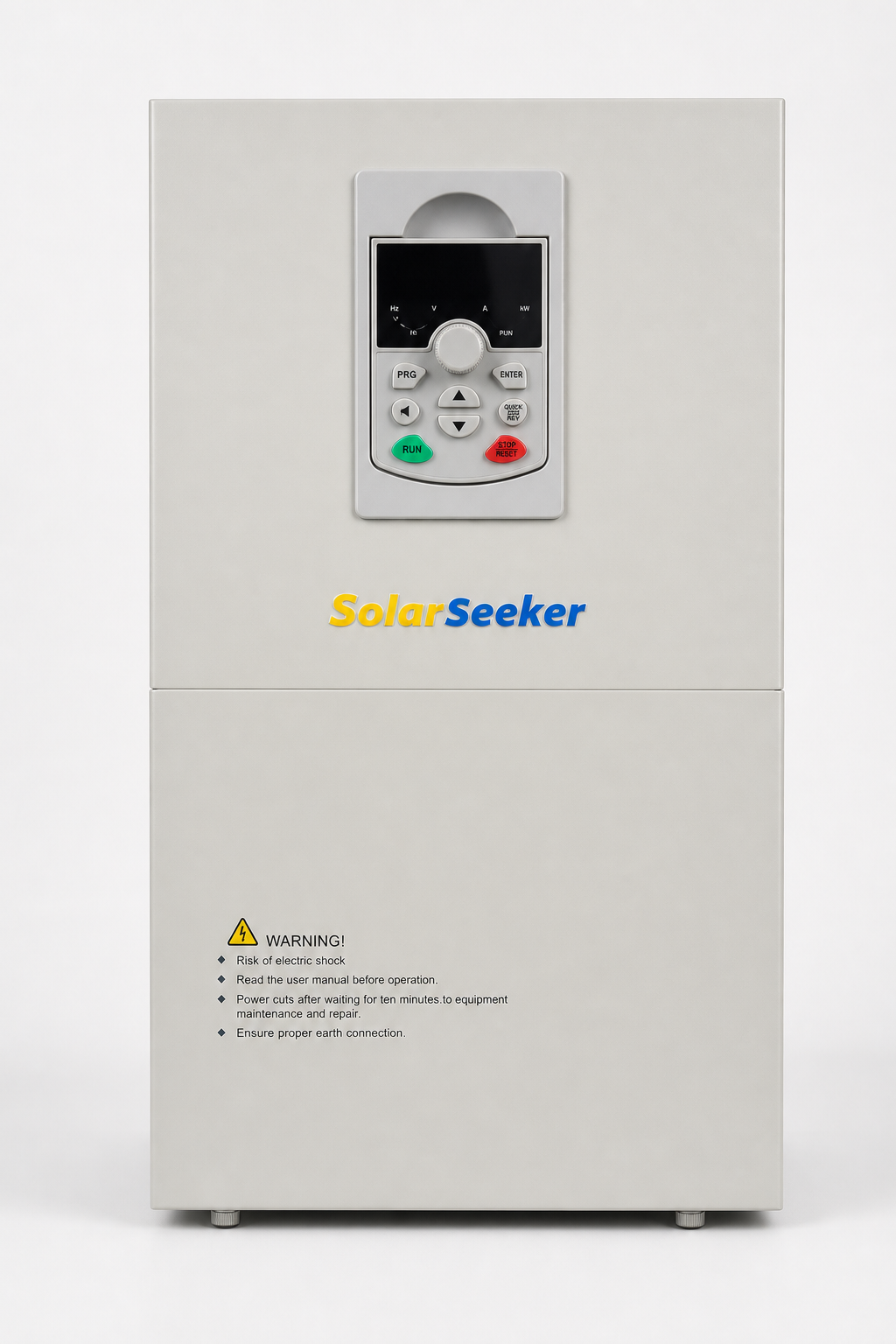
A useful custom solution should make the project easier to install, service, and repeat. Send pump nameplate, pump curve, head, flow, daily water target, site temperature, cabinet needs, monitoring goals, and after-sales model to Solarseeker before requesting a final configuration.