
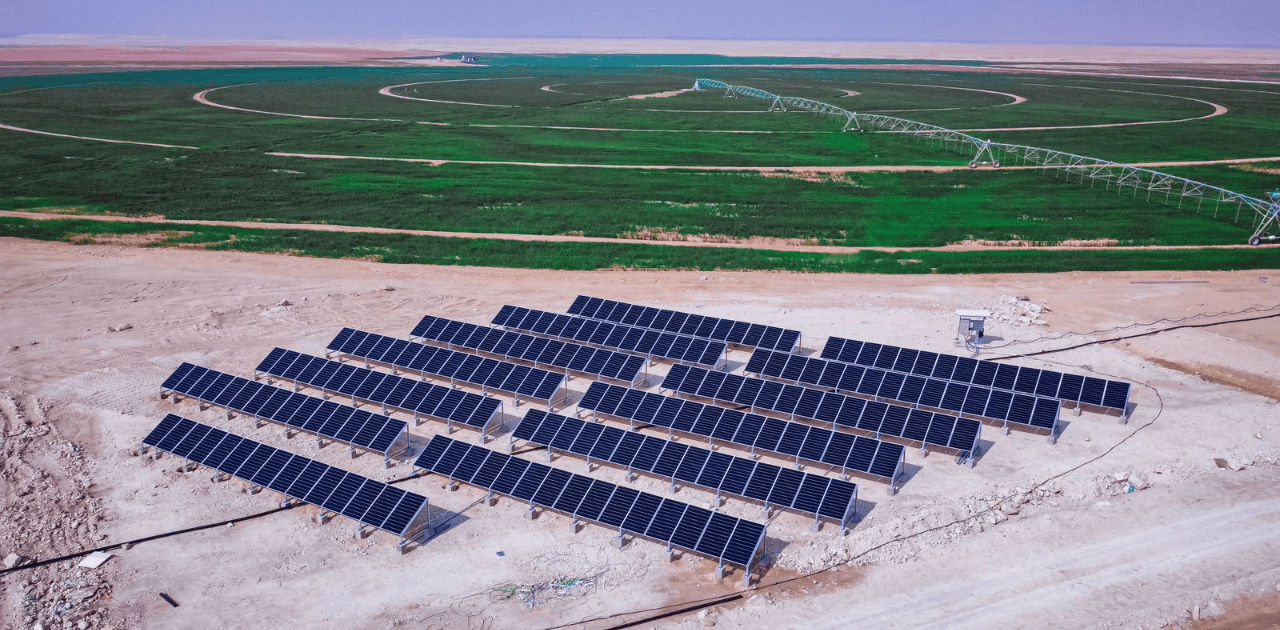
A factory audit should prove whether the supplier can support real projects, not only whether the showroom looks organized.
Large project buyers visiting China often check price and product samples first. That is understandable, but it is not enough. A solar pump inverter factory must show stable production, testing records, technical support, export process, and after-sales capability.
The goal of the audit is simple: reduce procurement risk before the purchase order is placed. A clean meeting room does not prove a supplier can support a remote irrigation project after the dry season starts.
When I review a supplier for project buyers, I pay attention to how engineers answer pump-matching questions. If they cannot explain voltage, phase, rated current, PV Vmp, and common fault causes clearly, the buyer may carry the engineering risk alone.
Start With Project Fit
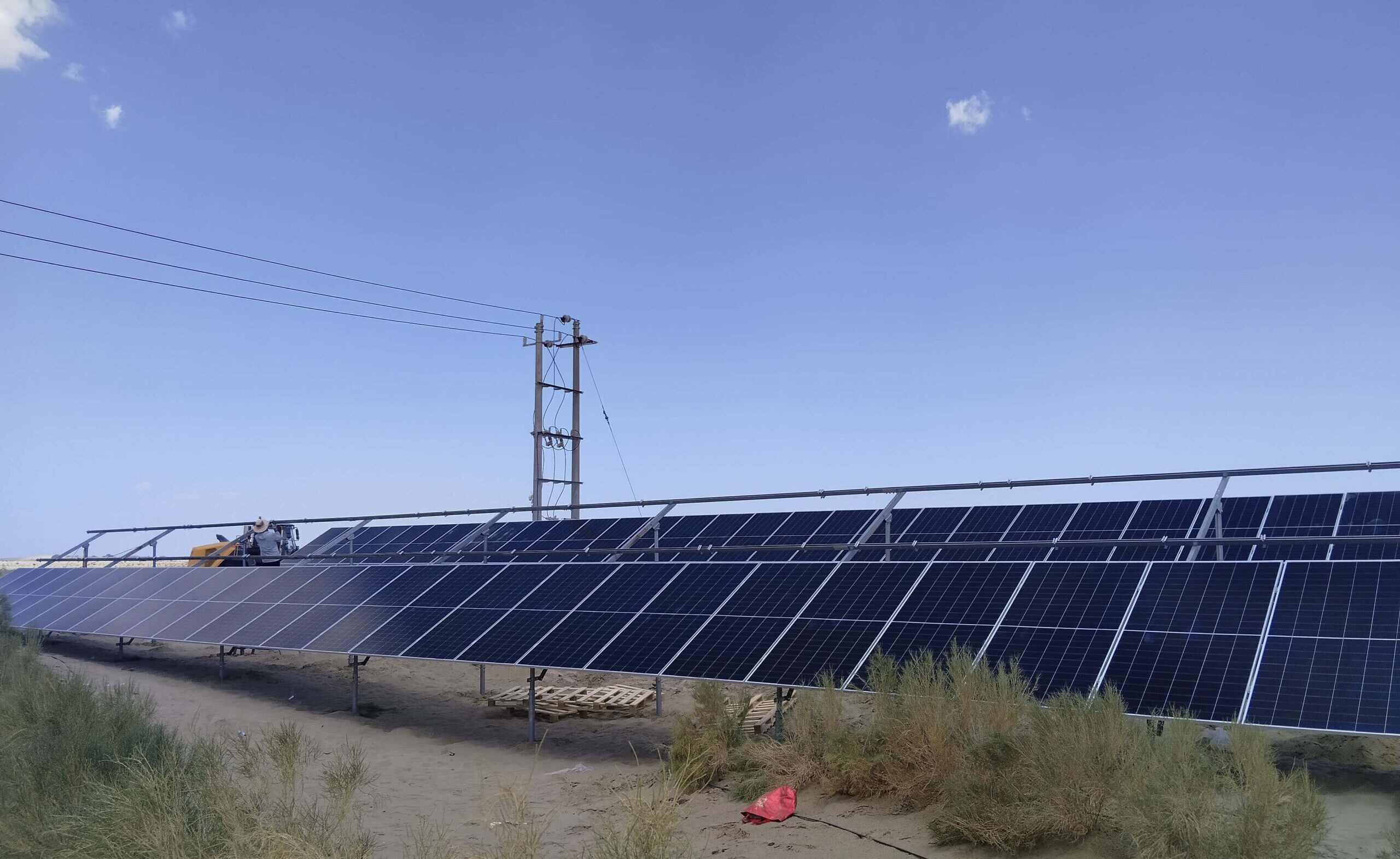
Before checking the factory, confirm whether its product range matches your project. A supplier that only handles small pump controllers may not be the right partner for deep wells, municipal pumping, or distributor programs.
Review the main solar pump inverter range and ask which models are commonly used for your pump voltage and power range.
Factory Audit Checklist
| Audit area | What to verify | Why it matters |
|---|---|---|
| Production | Assembly flow, batch control, inspection points | Reduces quality variation |
| Testing | Load tests, aging tests, fault simulation | Finds weak units before shipment |
| Engineering | Pump matching and PV string support | Prevents wrong model selection |
| Documentation | Manuals, wiring guidance, datasheets | Helps installers work correctly |
| After-sales | Fault process and spare parts | Protects project uptime |
| Export process | Packing, labels, certificates, shipment records | Reduces delivery and customs risk |
Questions Buyers Should Ask in the Meeting
- Which models fit 220V and 380V pump systems?
- How do engineers check PV Vmp and Voc?
- What records are kept for each production batch?
- What are the most common warranty causes?
- Which spare parts should distributors stock?
- How does the factory support a remote troubleshooting case?
For larger three-phase projects, ask specifically about the SP4 range, pump nameplate checking, and high-power project support.
What to Look for on the Production Floor
Do not only look at whether the floor is tidy. Ask how incoming components are checked, how boards are tested, how finished units are inspected, and how failed units are recorded. A factory that records problems clearly is usually easier to work with than one that claims everything is perfect.
Batch traceability matters for bulk orders. If a distributor receives a mixed shipment, the factory should be able to identify model, batch, production date, and test status.
Testing Is More Important Than Display Samples
A sample unit on a table can look good. The buyer should ask what tests are performed before shipment. For solar pump inverters, useful tests may include functional checks, load-related checks, aging process, display and keypad checks, terminal inspection, and fault response review.
The buyer does not need to micromanage the factory process. But the buyer should know whether there is a real process.
Documentation Review
Documentation is part of the product. Manuals, datasheets, labels, wiring guidance, model tables, and certificate files should match the models being quoted. Weak documents create installer mistakes and bid delays.
For international projects, also check whether the supplier can prepare the documents needed for your market, such as certificates, export documents, packing list, and model-specific datasheets.
After-Sales Process Is a Factory Capability
Ask the supplier to describe one real fault-handling workflow. What information do they request? Who reviews it? How do they decide whether the cause is PV voltage, pump overload, wiring, water damage, or inverter hardware?
If the answer is only “send it back,” be careful. Remote pumping projects often need diagnosis before replacement. Freight alone can become expensive.
Red Flags During a Factory Audit
- The supplier cannot explain pump matching clearly.
- Datasheets and labels are inconsistent.
- Testing questions receive vague answers.
- No one can explain common fault causes.
- Packaging control is weak for mixed-model orders.
- After-sales depends only on replacing full units.
How to Audit Without Visiting China
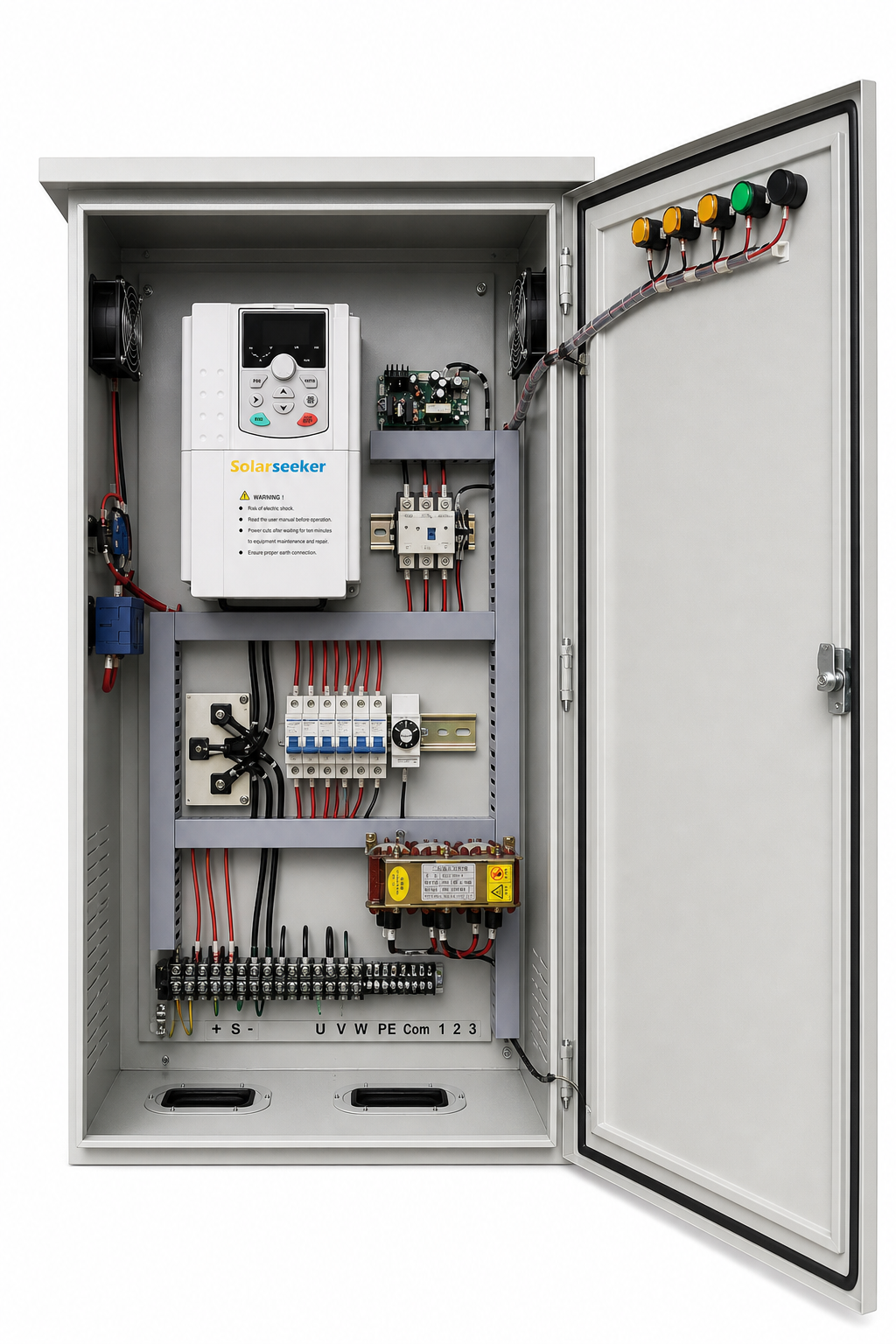
If travel is not possible, ask for a live video meeting, production photos, test-area video, packing photos, sample documentation, and model selection discussion. A remote audit cannot replace a full visit, but it can still reveal whether the supplier understands real projects.
For buyers comparing application fit, Solarseeker’s solar water pump project cases can also help frame questions about project environment and installation conditions.
Documents to Request Before the Audit
A good audit starts before the visit. Ask for product catalog, model table, datasheets, certificate list, sample manual, packing photos, warranty terms, and common fault-handling process. These documents help you ask sharper questions during the meeting.
If the supplier cannot prepare basic documents before the audit, that is already useful information. Large project buyers should not wait until after payment to discover documentation problems.
Sample Order vs Bulk Order Risk
A sample order proves only a small part of supplier capability. A bulk order tests consistency, packaging, labeling, production scheduling, export documents, and after-sales capacity. Many problems appear only when several models and power ratings are shipped together.
Before scaling volume, ask how the factory controls model labels, carton marks, accessory packs, and batch records. One wrong label in a mixed shipment can delay a project even if the inverter itself is good.
How to Score the Supplier
After the audit, do not rely only on a general impression. Score the supplier by product fit, engineering answers, testing process, documents, packaging, after-sales, and communication. A supplier with a slightly higher price may be safer if it reduces service risk.
| Score area | Strong sign | Weak sign |
|---|---|---|
| Engineering | Asks for pump data before quoting | Quotes by power only |
| Testing | Shows process and records | Only shows samples |
| Documents | Model-specific and consistent | Generic or mismatched |
| After-sales | Clear data collection workflow | Only says replacement |
How to Judge Engineering Ability in Conversation
A useful factory audit includes technical conversation. Give the supplier a real pump example and ask how they would select the inverter and PV array. A capable engineer will ask for voltage, phase, rated current, head, flow, panel data, and site conditions. A weak supplier may answer with only a model number and price.
This conversation reveals whether the factory can support field projects or only sell catalog items. For B2B buyers, that difference matters more than a polished brochure.
After the Audit, Test the Process
Before placing a large order, test the supplier with a small but realistic process. Ask for a model recommendation, panel matching check, packing confirmation, and fault-diagnosis example. Watch whether the answers are clear and consistent.
The goal is not to make the supplier do unnecessary work. The goal is to see whether communication remains reliable after the sales meeting ends.
FAQ
Is factory size the most important audit factor?
No. Factory size matters, but product fit, engineering support, testing process, documentation, and after-sales response are more important for project buyers.
What should I verify before a bulk order?
Verify model range, pump matching support, production testing, batch records, packing control, certificates, and warranty process.
Can I rely only on samples?
No. Samples are useful, but bulk orders need batch consistency, packaging control, spare parts, and clear service support.
Before You Confirm the PO
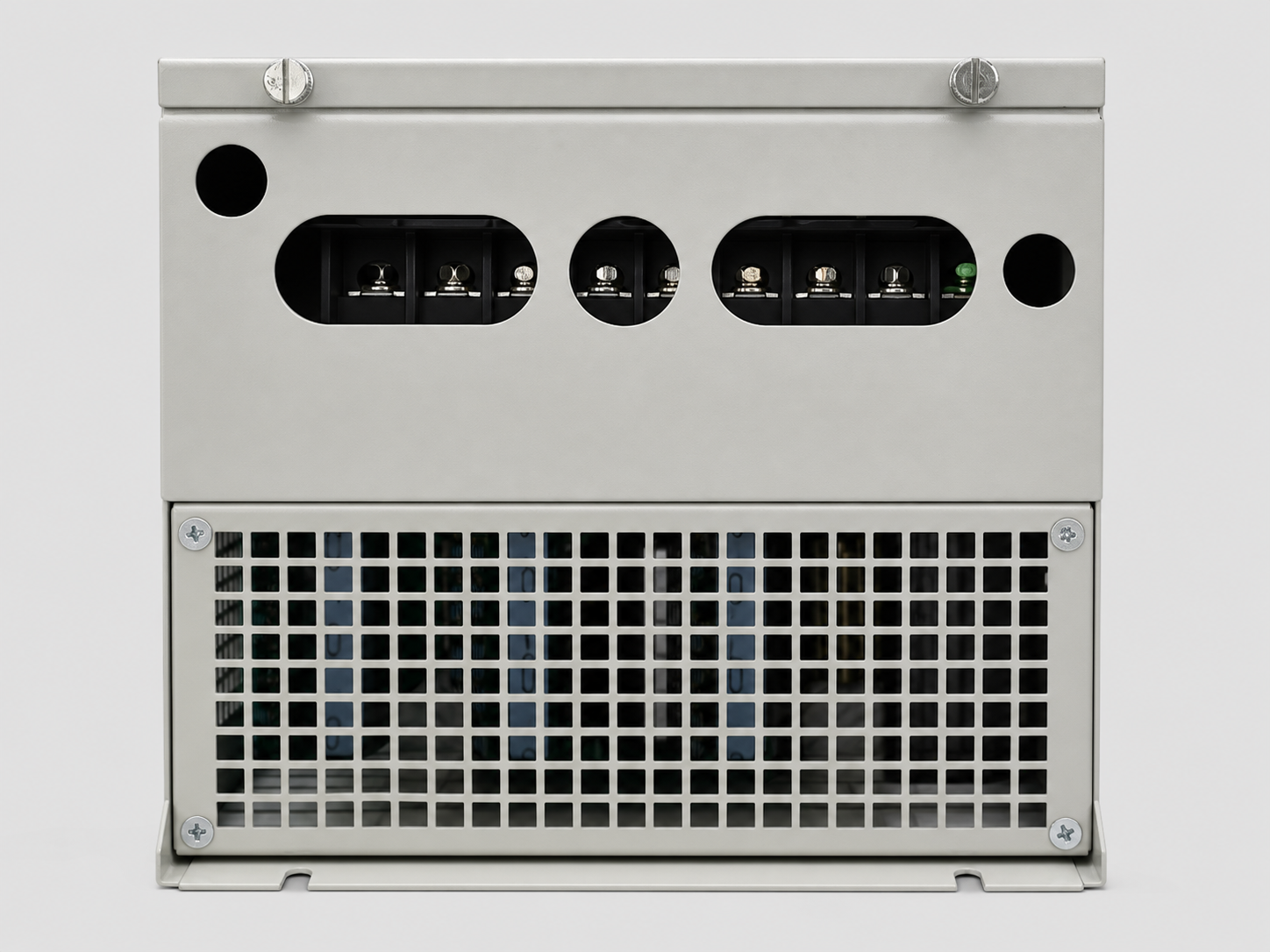
Send your target pump range, annual purchase plan, project countries, and support expectations to Solarseeker. A serious factory discussion should be based on your project reality, not a generic price list.