
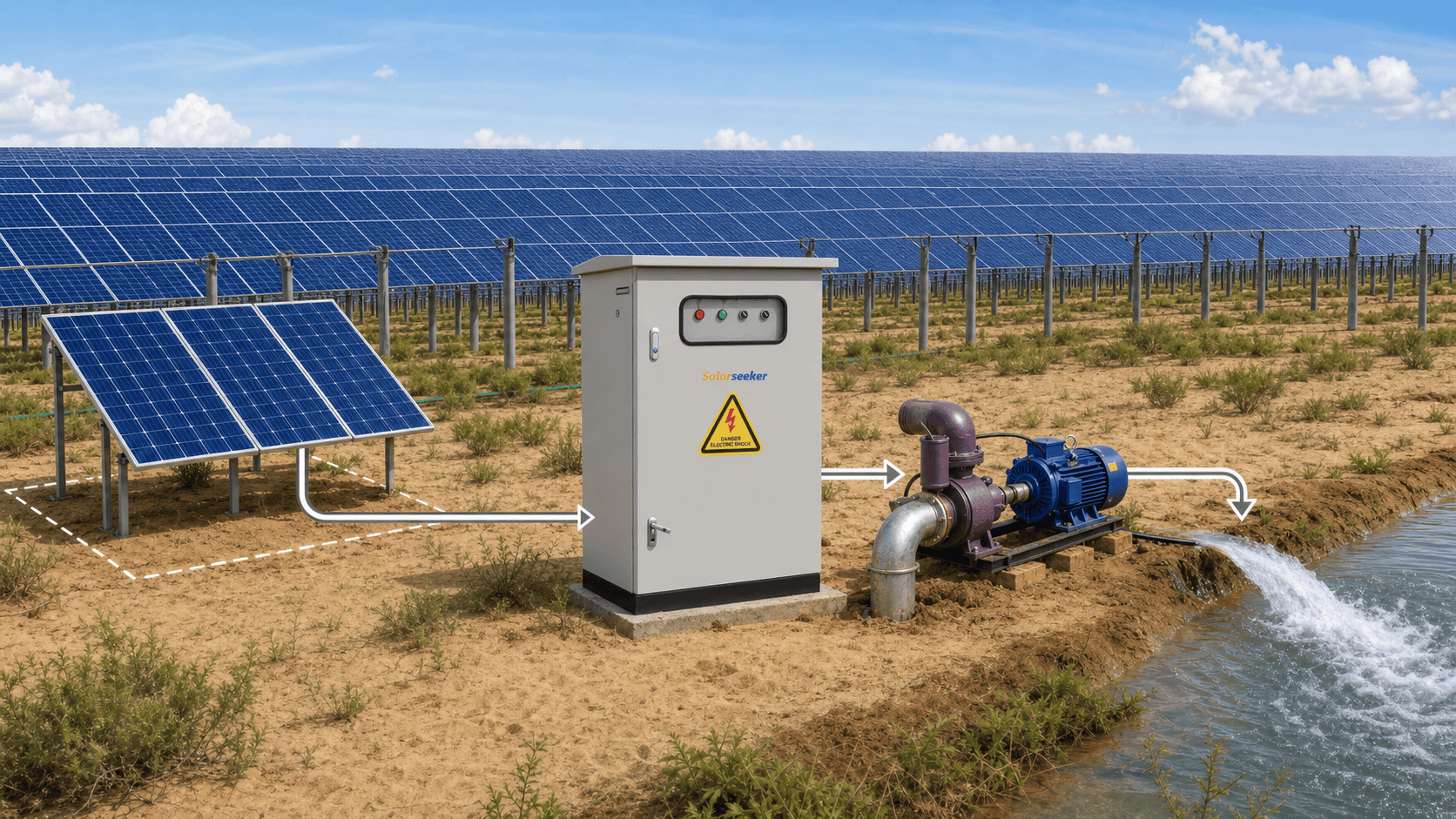
For agricultural pump distributors, electrical wholesalers, and solar equipment stockists, adding solar pump inverters to your product line is one of the highest-growth commercial opportunities in modern water infrastructure. However, inventory planning for solar pump inverters introduces unique financial and supply chain headaches. Order too few units, and you lose lucrative drilling contractor accounts to regional competitors who can offer same-day counter dispatch; order too many to satisfy factory Minimum Order Quantity (MOQ) requirements, and you tie up hundreds of thousands of dollars in slow-moving capital on warehouse racks.
Unlike generic AC motors or standard solar PV panels, solar pump variable frequency drives (VFDs) feature distinct seasonal demand curves, regional voltage divisions (220V single/three-phase vs. 380V/460V three-phase), and variable power brackets ranging from 0.75 kW smallholder pumps up to 110 kW municipal borehole arrays.
To help regional distributors, stockists, and wholesale buyers maximize working capital turnover while maintaining 95%+ order fulfillment rates, the application and supply chain team at Solarseeker has created this comprehensive guide to solar pump inverter MOQ evaluation and inventory optimization.
1. Deconstructing Factory MOQ vs. Wholesale Working Capital Risk
In B2B negotiations with drive manufacturers, Minimum Order Quantity is frequently the primary friction point. Wholesalers must understand the manufacturer’s operational constraints while protecting their own liquidity.
Why Inverter Manufacturers Require MOQs
Variable frequency drives are complex power electronic assemblies comprising multi-layer PCBA boards, IGBT power modules, DC smoothing capacitors, custom heat sinks, and metal/polycarbonate enclosures. Factory production runs require:
- Surface Mount Technology (SMT) Setup Costs: Machine calibration, component tape loading, and automated optical inspection (AOI) setup.
- Conformal Coating & Potting Batches: High-humidity environments demand automated conformal coating of control and power boards, which is executed in scheduled batch runs.
- Burn-In & Quality Aging Cycles: Inverters must undergo 4- to 24-hour thermal load aging before packaging.
- Customization & Packaging: Multilingual manuals, brand packaging, and rating nameplates require minimum print runs.
The Hidden Cost of High Factory MOQs for Wholesalers
When distributors accept rigid MOQs (e.g., requiring 50 to 100 units of a single specific power rating) merely to secure a marginal 3% unit price discount, the financial math often turns negative. Inventory carrying costs—encompassing warehouse floor space, insurance, financing interest, and obsolescence risk—routinely add 18% to 25% annually to the initial purchase cost.
The Modern Commercial Alternative: Mixed-Model Container MOQs
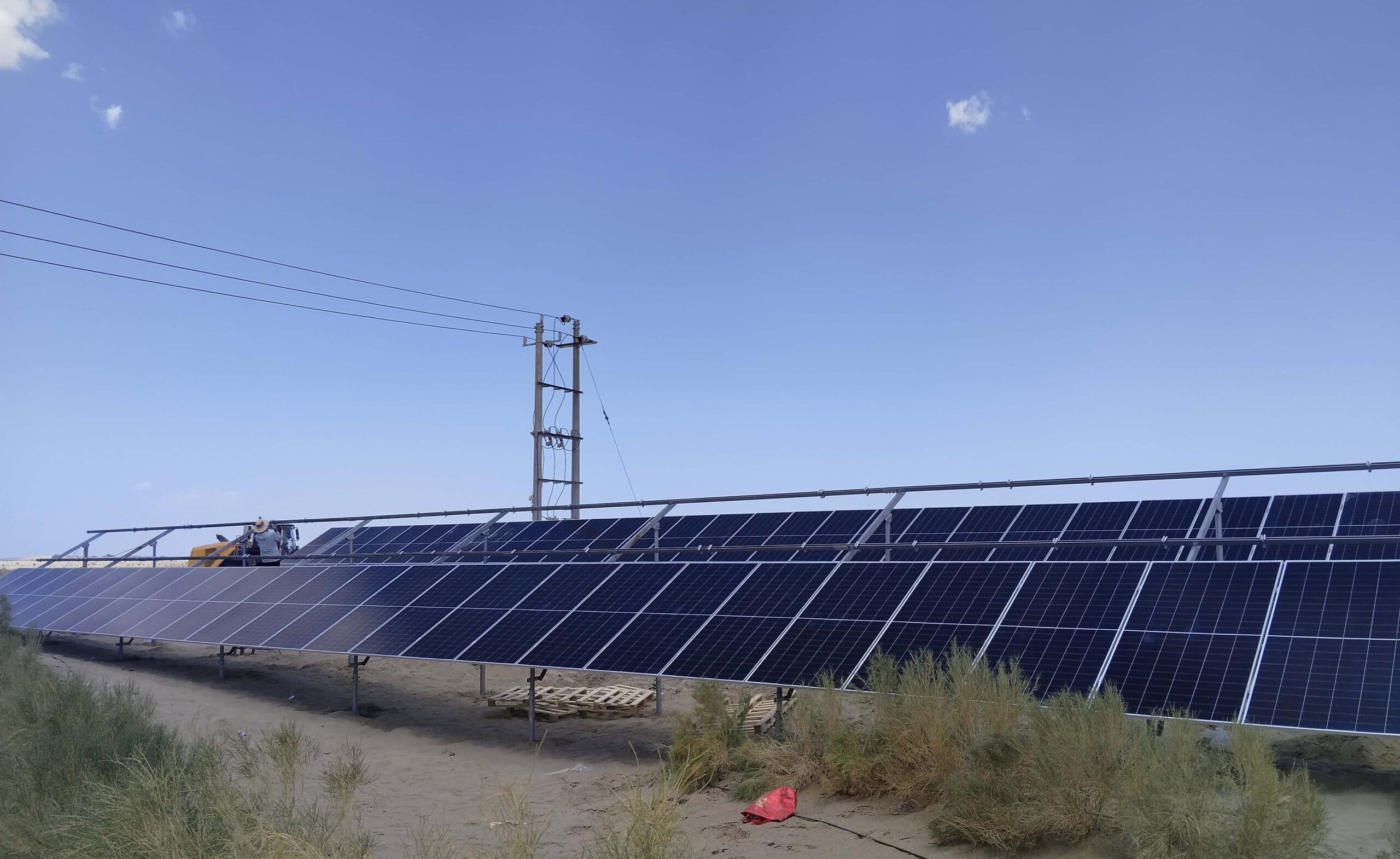
Progressive manufacturers do not force distributors into single-SKU bulk orders. At Solarseeker, we work with qualified regional distributors through flexible mixed-order agreements. Rather than requiring high MOQs per individual kilowatt rating, order thresholds are evaluated across a cumulative mixed-model batch (e.g., combining 2.2 kW single-phase units with 7.5 kW and 15 kW Solarseeker SP4 380V Series heavy-duty drives). This enables regional distributors to introduce a complete, versatile product catalog without tying up excessive working capital in a single voltage bracket.
2. Engineering Safety Stock Formula: Balancing Lead Time and Demand Volatility
Effective inventory planning requires a mathematical framework rather than guesswork. Because solar pumping equipment is shipped primarily via ocean freight from industrial manufacturing centers, replenishment lead times typically range from 45 to 65 days (including factory assembly, container ocean transit, and port customs clearance).
The Reorder Point (ROP) for each core inverter SKU is calculated as:
ROP = (d̄ × L) + SS
Where:
- d̄ = Average weekly demand (units/week).
- L = Total replenishment lead time (weeks).
- SS = Safety stock buffer (units).
Safety stock (SS) protects against seasonal irrigation spikes and ocean shipping delays:
SS = Z × σL
Where Z represents the desired service level factor (Z = 1.65 for 95% order availability, or Z = 2.05 for 98% availability for critical agricultural seasons), and σL is the standard deviation of lead-time demand.
Seasonality Adjustment Multipliers
Agricultural pumping demand is inherently cyclical. Distributors in tropical and arid regions must apply seasonal demand multipliers (κseason) to their baseline forecasts:
- Pre-Planting Dry Season (Surge Phase): κ = 1.4× to 1.8× average baseline demand. Orders must be placed 10 to 12 weeks before this peak begins.
- Mid-Season Active Irrigation: κ = 1.0× baseline demand (steady replacement and expansion demand).
- Monsoon / Rainy Season (Trough Phase): κ = 0.3× to 0.5× baseline demand. Stock should be systematically drawn down to free up cash.
3. The “80/20” SKU Rationalization Matrix for Stocking Wholesalers
The single most common mistake made by new solar water pump distributors is stocking every single fractional kilowatt rating: 0.75 kW, 1.5 kW, 2.2 kW, 3.7 kW, 4.0 kW, 5.5 kW, 7.5 kW, 11 kW, 15 kW, 18.5 kW, 22 kW, 30 kW, 37 kW, 45 kW…
Attempting to carry 15 different power ratings across two voltage classes fractures your purchasing power, leads to fragmented MOQs, and leaves odd ratings sitting unsold for months.
The One-Step Upsizing Best Practice
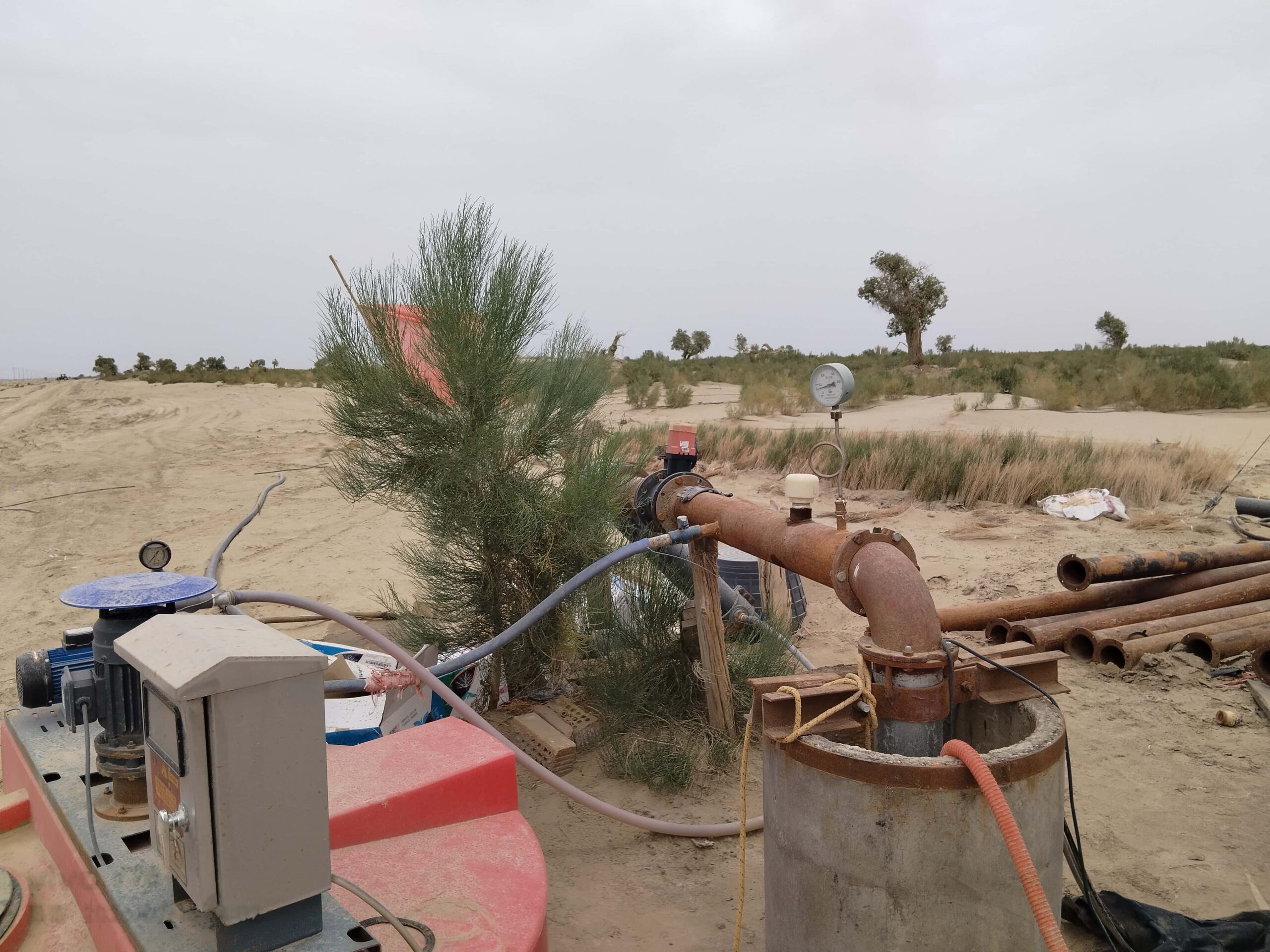
In variable frequency drive application engineering, operating an inverter one frame size larger than the motor nameplate (for instance, utilizing a 7.5 kW inverter to power a 5.5 kW deep-well submersible motor) is not merely acceptable—it is an acknowledged engineering best practice.
Submersible pump motors operating in hot climates demand substantial starting torque and generate high thermal loads. An upsized inverter runs cooler, provides 150% to 180% overload torque without nuisance tripping, and handles elevated midday ambient temperatures without derating.
By applying this principle, distributors can cover 85% of market inquiries with just four to five core SKUs:
| SKU Class | Rated Voltage | Direct Motor Rating | Backward-Compatible Field Coverage | Warehouse Stock Target (% Units) |
|---|---|---|---|---|
| Tier 1 (SP1/SP2) | 220V 1-Phase / 3-Phase | 2.2 kW (3.0 HP) | 0.75 kW (1.0 HP), 1.5 kW (2.0 HP) | 25% |
| Tier 2 (SP4 Compact) | 380V 3-Phase | 4.0 kW (5.5 HP) | 2.2 kW (3.0 HP), 3.0 kW (4.0 HP) | 15% |
| Tier 3 (SP4 Mainstream) | 380V 3-Phase | 7.5 kW (10.0 HP) | 4.0 kW (5.5 HP), 5.5 kW (7.5 HP) | 35% (Top Seller) |
| Tier 4 (SP4 Commercial) | 380V 3-Phase | 15.0 kW (20.0 HP) | 9.2 kW (12.5 HP), 11.0 kW (15.0 HP) | 15% |
| Tier 5 (SP4 Heavy-Duty) | 380V 3-Phase | 30.0 kW (40.0 HP) | 18.5 kW (25.0 HP), 22.0 kW (30.0 HP) | 10% |
(For higher ratings above 37 kW, distributors should maintain floor demo units and partner with manufacturers offering fast-track 7-day factory dispatch rather than tying up warehouse capital).
4. Supply Chain Risk & Freight Optimization Strategies
Freight costs and transit reliability dramatically impact landed product margins. Savvy wholesale buyers deploy three structural strategies:
Full Container Load (FCL) vs. Less-than-Container Load (LCL)
LCL sea shipping carries higher handling fees, greater risk of carton damage from adjacent cargo, and frequent port consolidation delays. Wholesalers should plan their purchasing cadence so that mixed-model orders reach standard container thresholds:
- 20-foot GP Container: Accommodates approximately 400 to 600 medium-sized solar pump inverters (depending on frame size and palletization).
- Palletized Protection: Always specify export fumigated pallets with edge protectors and moisture-barrier shrink wrap to protect electronic drives during long ocean voyages.
Critical Spare Parts Buffer
Nothing damages a distributor’s reputation faster than a farmer’s pump sitting idle for four weeks while waiting for a replacement part during peak harvest. Alongside your main unit order, always maintain an on-site Spare Parts Service Pack (typically 3% to 5% of order value):
- Main control boards (pre-flashed with the latest firmware).
- IGBT power modules and gate driver boards.
- Cooling fan assemblies (the highest wear component in dusty field environments).
- Replacement digital keypads and communication interface cards.
5. Wholesaler Supplier Checklist: Evaluating Manufacturer Commercial Agility
Before signing a distribution agreement or placing an initial stocking order, wholesale buyers should audit the manufacturer against this commercial agility scorecard:
- Flexible Mixed-Model Ordering: Does the factory permit mixing different voltages (220V and 380V) and frame sizes under a single bulk order umbrella?
- Standardized Firmware Architecture: Can motor parameters, voltage limits, and protection thresholds be configured easily via keypad without requiring specialized factory programming tools?
- Verified Safety & Quality Certifications: Does the manufacturer provide authentic CE, IEC 61800-5-1 (LVD), and IEC 61800-3 (EMC) certificates with exact model numbers listed? (See our Solar Pump Inverter Tender Documentation Checklist for details).
- Local After-Sales & Warranty Support: Does the warranty policy cover rapid component replacement without requiring defective units to be shipped across international borders first?
- OEM / Private-Label Feasibility: For established distributors with strong regional branding, does the manufacturer offer customized front-panel branding, custom user manuals, and tailored firmware startup screens at reasonable volume thresholds?
Conclusion: Accelerating Distributor Growth with Solarseeker
Mastering inventory planning and MOQ negotiations allows pump distributors to transform solar inverters from a working capital burden into their highest-margin product category. By consolidating around high-versatility SKUs like the Solarseeker SP4 Series and adopting rationalized stocking formulas, distributors can achieve superior inventory turnover, delight regional installers, and capture dominant market share.
Partner with Solarseeker: Tailored Wholesale & Distributor Programs
Looking to expand your solar water pumping catalogue with high-margin, engineer-proven drives? Solarseeker partners with qualified agricultural pump distributors, borehole contractors, and electrical wholesalers worldwide.
We offer:
• Agile mixed-model container programs with competitive dealer pricing tiers.
• Complete technical documentation, CAD schematics, and marketing collateral.
• Direct factory engineering support and rapid-dispatch regional spare parts packages.
Ready to discuss dealer pricing, MOQ flexibility, or custom inventory planning for your territory?
Contact our B2B commercial engineering desk today at info@solarseeker.tech or explore our complete Solar Water Pump Inverter Systems Hub.