
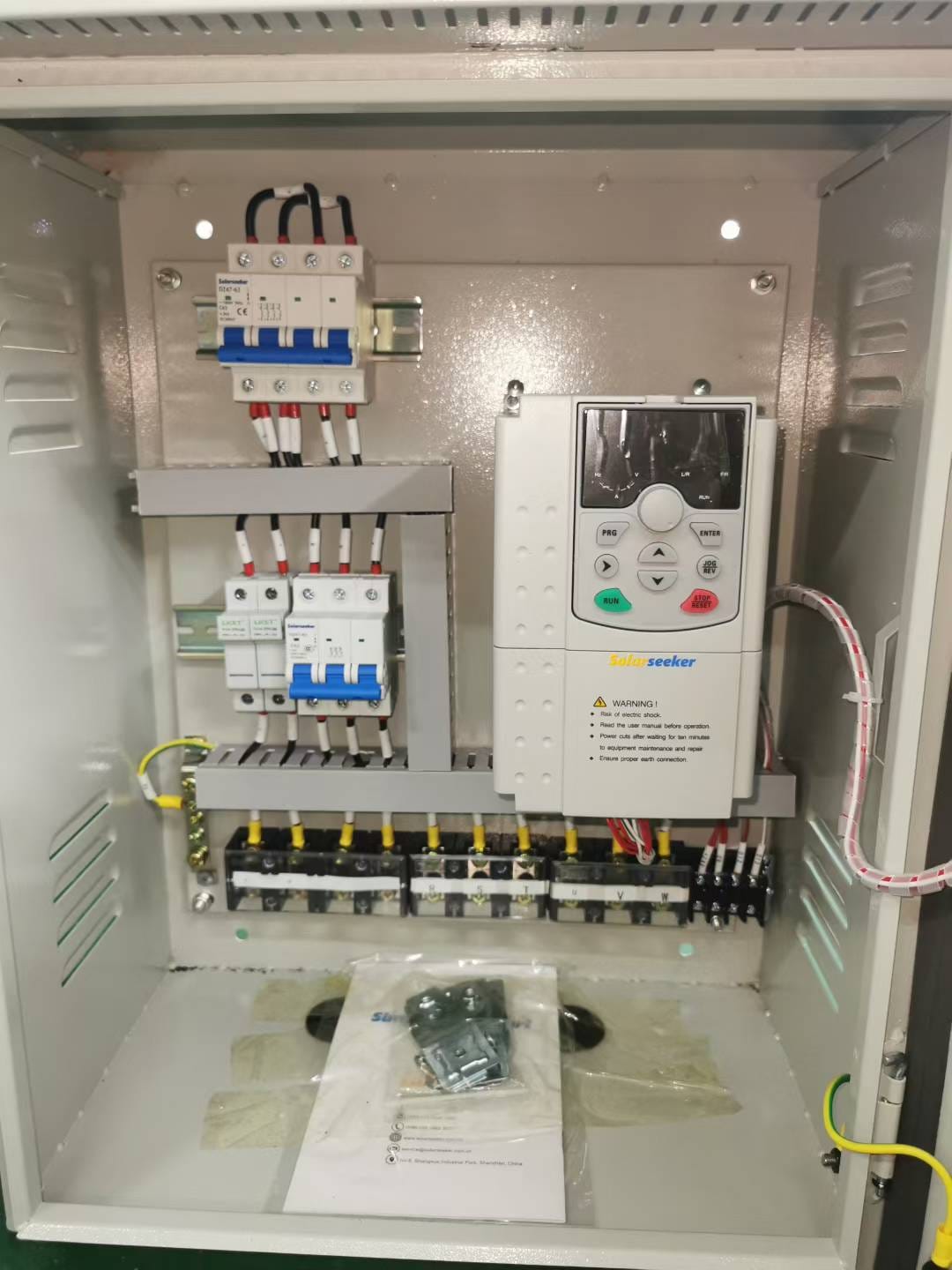
Premium inverter quality earns ROI when it reduces downtime, protects pumps, and gives distributors a cleaner service path.
The true cost of quality is not the difference between two inverter prices. It is the difference between a system that keeps pumping and a system that needs repeated service after the first season.
A premium solar pump inverter can improve ROI when the project needs stable operation, better protection, stronger components, clearer fault data, and reliable after-sales support. It is not always necessary for the smallest jobs, but it matters in remote and high-duty projects.
When Solarseeker reviews ROI with buyers, I usually ask about service distance before price. One avoided site visit can change the calculation in a remote pumping project.
Where Quality Pays Back
| Quality factor | Commercial impact | Who benefits |
|---|---|---|
| Stable MPPT and control | Better daily water output | Farm owner or EPC |
| Dry-run and overload protection | Lower pump damage risk | Project owner |
| Clear fault records | Faster service decisions | Distributor and technician |
| Better thermal design | Fewer heat-related failures | Remote sites |
| Supplier support | Cleaner warranty handling | Procurement and distributor |
Do the ROI Calculation Honestly
Compare total cost, not only unit price. Add installation labor, service distance, downtime, replacement freight, spare parts, and customer complaints. In remote sites, one avoided truck roll can change the calculation.
A reliable solar pump inverter is part of the ROI because it protects water output.
A Simple Total Cost Formula
Use a simple formula before choosing the cheaper option:
Total Cost = Equipment Price + Installation Cost + Service Visits + Downtime Cost + Replacement Freight + Warranty Handling Cost
The equipment price is easy to see. The hidden costs are often larger after installation, especially in remote irrigation and deep-well projects.
When Premium Quality Matters Most
- Large three-phase pumps.
- Deep wells or high-flow irrigation.
- Hot and dusty regions.
- Remote farms with expensive site visits.
- Distributor projects with warranty exposure.
- Municipal or commercial sites where downtime has public impact.
For larger agricultural systems, review the SP4 range with pump current, PV voltage, and site conditions before judging price.
When a Basic Option May Be Enough
Small, nearby, low-duty systems may not need the highest configuration. The buyer should not overpay for features that do not reduce real risk. The decision depends on site consequence.
This is why a fair ROI review does not always recommend the most expensive inverter. It recommends the level of quality that matches the job.
Hidden Costs Buyers Often Miss
| Hidden cost | How it appears | Why quality matters |
|---|---|---|
| Truck roll | Technician travels to remote site | Clear faults reduce blind visits |
| Pump damage | Dry-run or overload ignored | Protection settings reduce risk |
| Downtime | No irrigation or water supply | Stable operation protects output |
| Replacement freight | Urgent unit shipment | Better reliability reduces emergencies |
| Warranty dispute | Unclear fault evidence | Fault records improve diagnosis |
Quality Should Be Matched to Site Consequence
A small pump near the owner has low consequence. A deep-well irrigation pump three hours from the nearest technician has high consequence. The same inverter price difference means different things in those two sites.
Buyers should classify projects by consequence before comparing prices. High-consequence sites deserve stronger protection, better thermal margin, and better support.
Distributor ROI Is Different From End-User ROI
For distributors, quality affects more than one installation. It affects brand reputation, warranty workload, spare-part planning, and customer trust. A low-cost product can create high support pressure if many units return with unclear faults.
A premium inverter may protect distributor margin by reducing repeated service time and emergency replacements.
A Simple ROI Example
Imagine two inverters differ by a modest amount in unit price. The cheaper option looks attractive at purchase. But if one remote service visit costs more than that price difference, the saving disappears after one callback.
If the cheaper unit also causes a pump replacement, emergency freight, or several days without irrigation, the project has already paid more than the premium option would have cost. This is why ROI must include field consequence.
Low Price Risk Scenarios
- The inverter has weak fault information, so technicians travel before knowing the cause.
- Thermal margin is poor, so hot cabinets create repeated failures.
- Dry-run settings are weak, so the pump runs without enough water.
- Documentation is unclear, so installers set parameters incorrectly.
- Supplier support is slow, so warranty cases remain open too long.
How to Compare Two Quotations
Ask both suppliers for the same information: inverter model, rated output, PV input range, protection functions, thermal design notes, documentation, warranty process, and after-sales support. Then compare the risk, not only the unit price.
If one quotation is cheaper but cannot explain fault diagnosis, spare parts, or pump protection clearly, the hidden cost may be higher.
Quality Evaluation Checklist
| Check item | Question to ask | Why it affects ROI |
|---|---|---|
| Protection | How are dry-run and overload handled? | Protects pump and motor |
| Thermal design | How does the inverter handle hot sites? | Reduces heat failures |
| Fault data | Can technicians see useful alarms? | Reduces blind service trips |
| Documentation | Are manuals and datasheets clear? | Reduces installation mistakes |
| Support | What evidence is needed for service? | Speeds warranty decisions |
How EPC Teams Should Present ROI to Owners
EPC teams should avoid saying only that a premium inverter is “better.” Instead, show the owner where the risk is: remote site visits, pump damage, downtime, heat, and service response. Tie each feature to a field consequence.
This makes the ROI discussion more credible. The owner may still choose a lower-cost option for a small site, but the decision will be informed.
When Premium Quality Protects the Pump
The inverter is not the only expensive item in the system. The pump, motor, cable work, and installation labor also need protection. Dry-run and overload features help because they stop abnormal operation before damage becomes worse.
For deep wells, sandy water, or long service distances, protecting the pump can be more important than saving a small amount on the inverter.
Warranty and Spare Parts Affect ROI
Warranty support has a cost even when replacement parts are free. Someone must collect data, contact the supplier, visit the site, and explain the delay to the customer. Clear fault records and available spare parts reduce that cost.
Distributors should include spare-part planning in ROI discussions. A premium product with faster diagnosis and clearer support can reduce hidden service labor across many installations.
Procurement Should Compare Risk Classes
Group projects into low, medium, and high consequence. A small nearby pump may tolerate a basic choice. A remote irrigation pump or municipal water project should be treated as high consequence. This makes quality decisions easier to defend.
Use Real Site Cost, Not Guesswork
The ROI review becomes stronger when buyers use real travel distance, labor cost, and downtime risk.
FAQ
Does a premium inverter always give better ROI?
No. It gives better ROI when the site consequence is high enough to justify the stronger protection, support, and reliability.
What cost should buyers include besides equipment price?
Include installation labor, service visits, downtime, replacement freight, spare parts, warranty handling, and customer complaints.
How can distributors explain premium pricing?
Explain total cost and risk. Use service distance, pump damage risk, downtime, and fault diagnosis as practical examples.
Before You Judge the Price
Send pump size, yearly runtime, service distance, local temperature, and warranty risk to Solarseeker. The right ROI comparison should show where quality saves money, not just where it costs more.