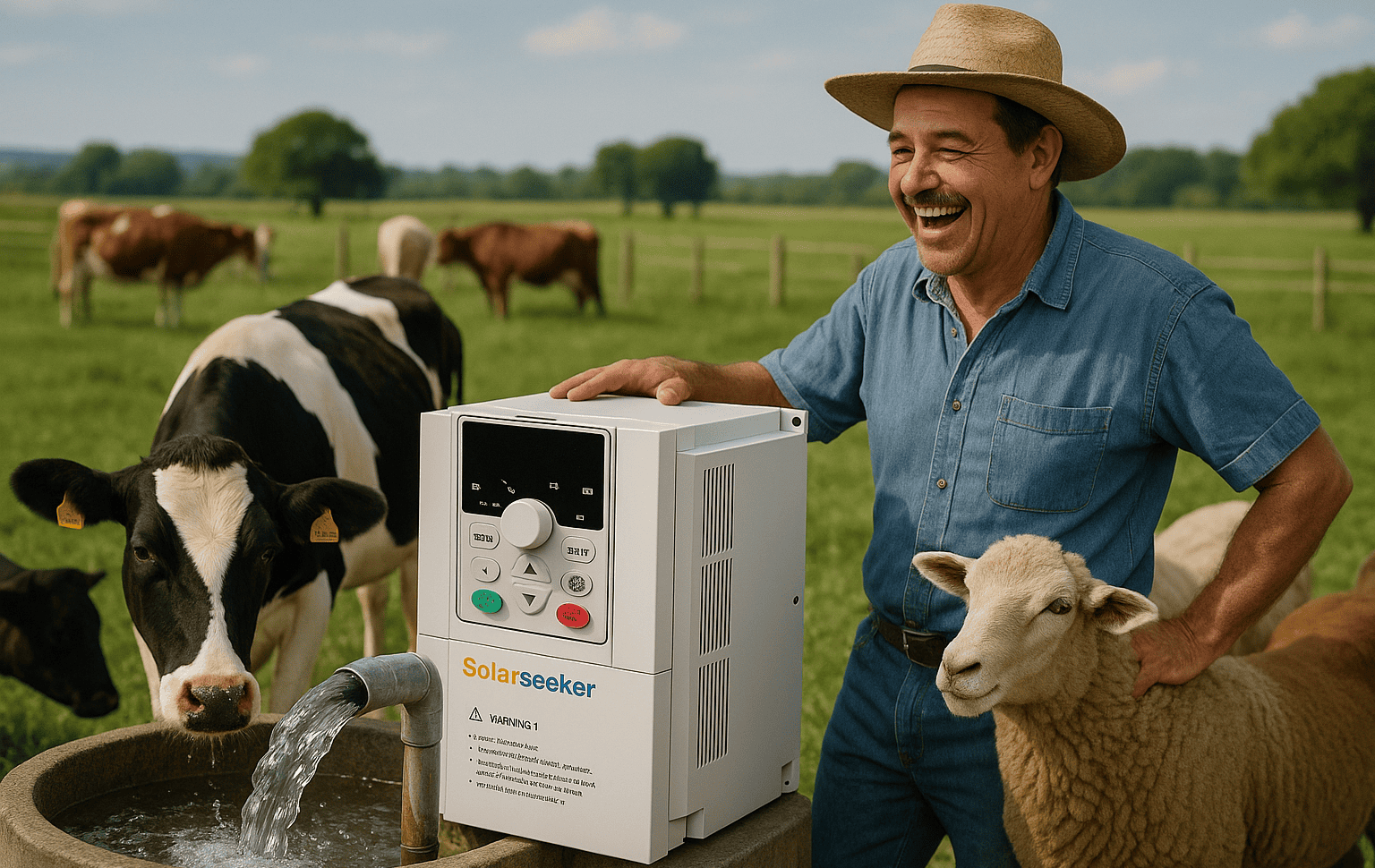
The Hybrid Advantage: Grid and Generator Switching With AC Solar Pump Inverters

Hybrid pumping is a water-schedule decision first, and an inverter feature second. A hybrid solar pumping site usually fails at the changeover point, not at noon. The pump works well when PV power is strong, but the farm still needs water during cloudy weather, evening tank filling, or emergency generator use. An AC solar pump … Read more

Sensorless Protection: Why AC VFDs Offer Better Dry-Run and Overload Protection
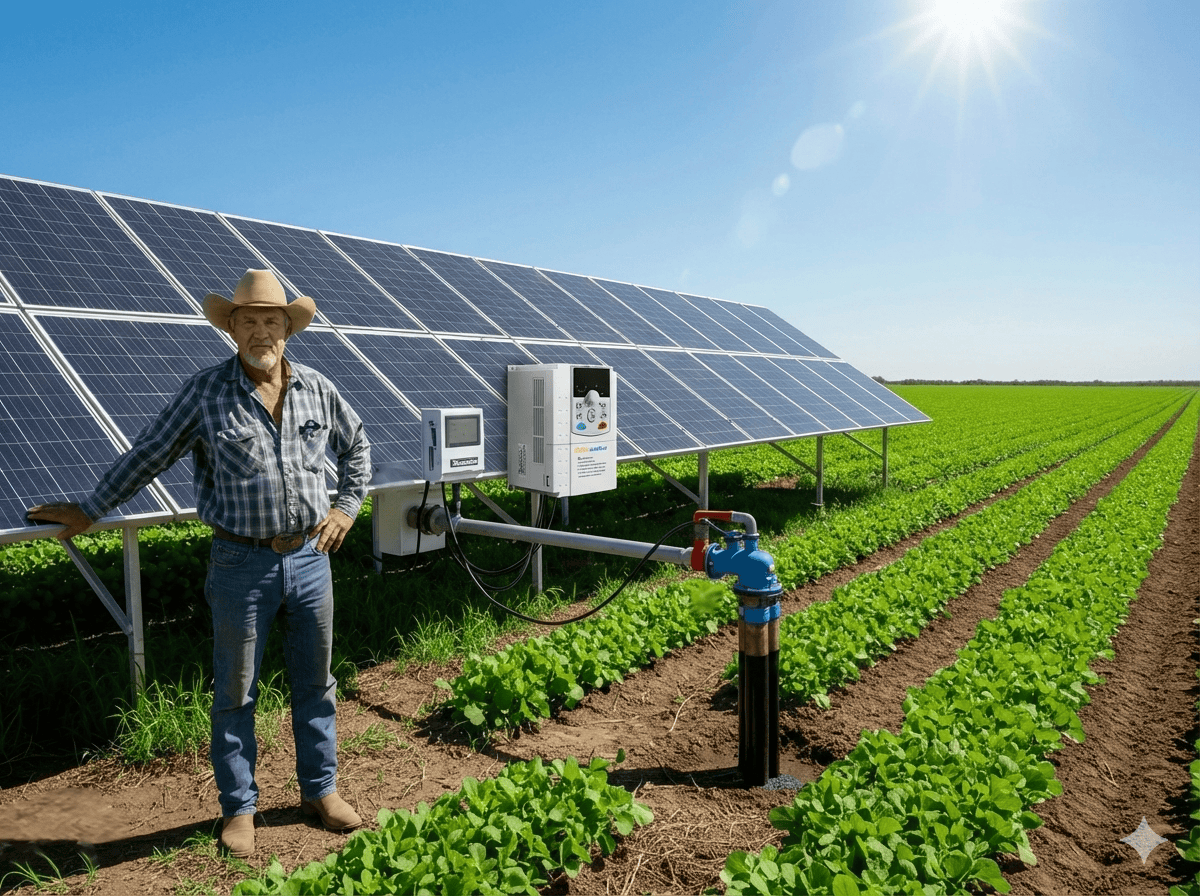
Dry-run and overload protection works best when the inverter can read motor load, not just basic voltage faults. Dry-run damage often starts quietly. The pump may still spin, but the water level has dropped, the inlet is blocked, or sand has changed the load. By the time the buyer sees weak water, the impeller or … Read more
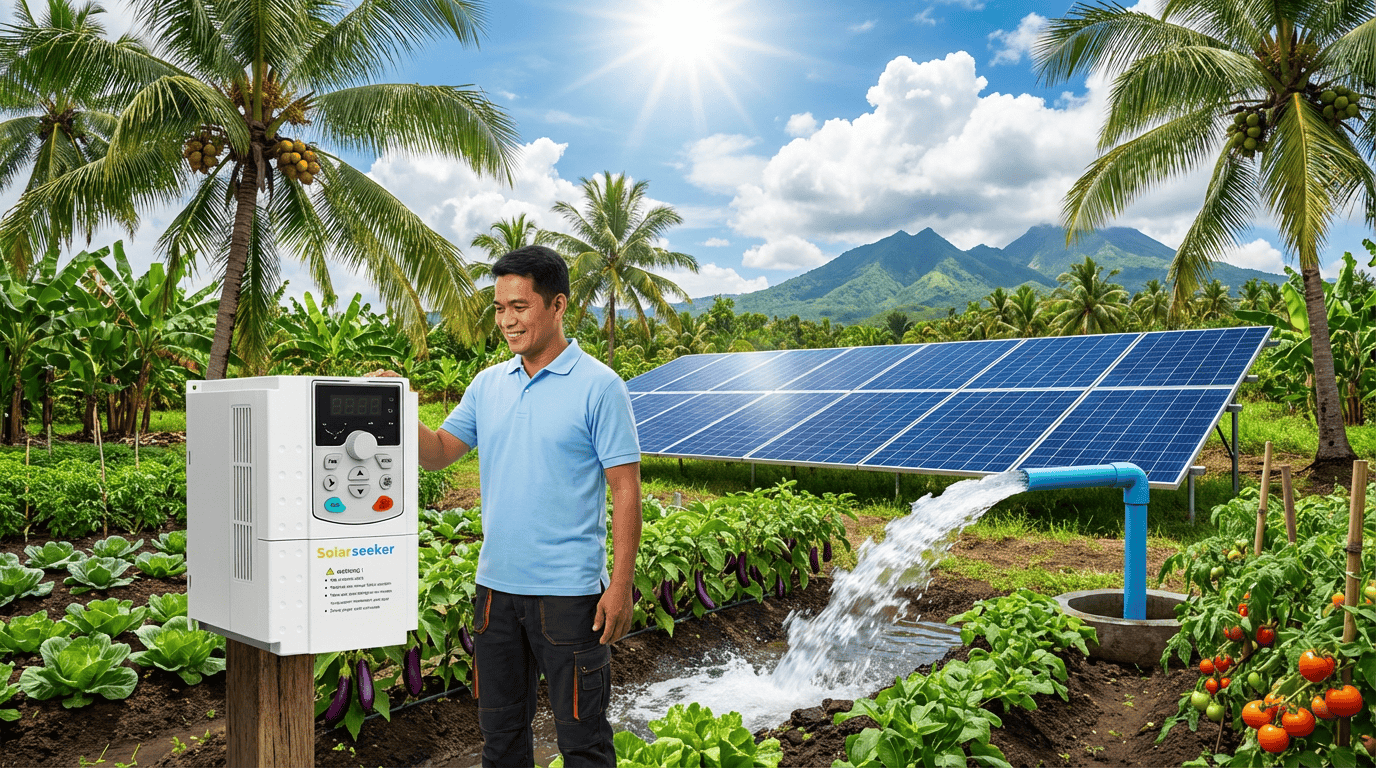
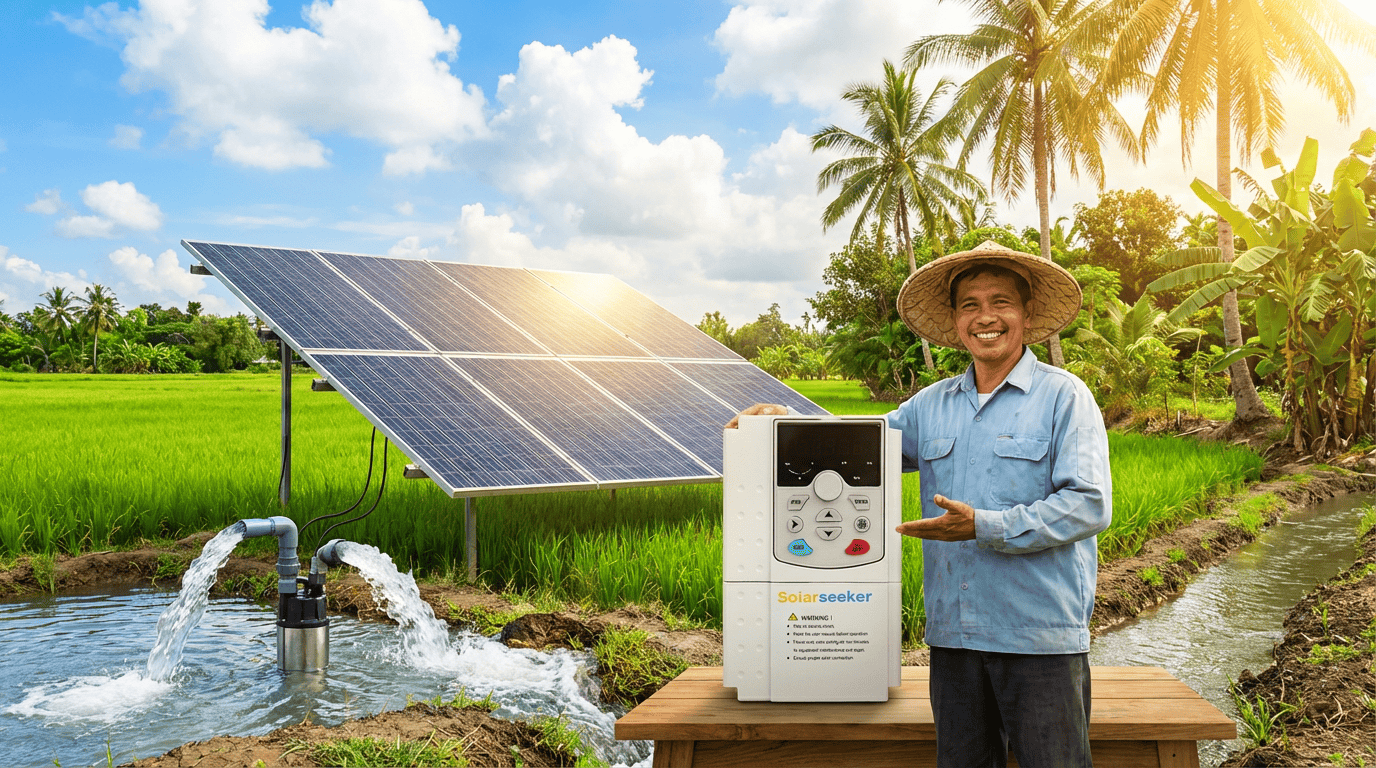
Fighting Sand and Heat: How AC Inverters Handle Harsh Environments Better Than DC Controllers

In hot and dusty pumping sites, the cabinet plan can matter as much as the inverter model. Heat and sand punish weak enclosure choices. The inverter may be fine in a clean test room, then fail at a desert farm because dust blocks airflow, cabinet temperature rises, or cable glands are left open. AC inverter … Read more

Global Market Trends: Why the Middle East and China Prefer AC Solar Pumping Solutions

Professional markets choose AC solar pumping when scale, service channels, and replacement risk matter more than a compact package. Market preference is not about fashion. In dry regions, buyers choose the system that keeps water moving, can be serviced locally, and can scale beyond small pump packages. The Middle East and China often prefer AC … Read more

Voltage Compatibility: AC VFD Flexibility Across 110V to 480V for Global Deployment

Voltage compatibility starts with the pump nameplate, not the inverter power rating. Voltage compatibility is not a slogan. It decides whether the pump can run, whether the PV string is practical, and whether the installer avoids a costly replacement after delivery. AC VFD flexibility across 110V to 480V matters because export pump markets are mixed. … Read more

Motor Reliability: Why Standard AC Induction Motors Are Easier to Trust Than Proprietary DC Pump Designs

A standard AC induction motor is easier to trust because local service teams already know how to test it, repair it, and replace it. A standard AC induction motor is boring in the best way. Electricians understand it. Pump suppliers stock it. Test methods are familiar. Remote water projects need that kind of ordinary reliability. … Read more

Pump Head and Flow Rate: The Limits of DC in High-Lift and High-Volume Water Projects

High head and high flow projects should be sized from the duty point, not from the controller price. High head and high flow expose weak pump selection fast. A system that works in a shallow well can fail badly when water must move higher, farther, or in larger volume. DC solar pump systems often reach … Read more

Lifespan and ROI: Calculating the True Cost of Ownership for AC vs DC Solar Pump Systems

The cheapest solar pump system is only cheap if it keeps producing water without expensive service surprises. The lowest first quote can become the most expensive option after one failed season. Weak output, proprietary parts, replacement freight, and repeated site visits all belong in the cost calculation. To compare AC and DC solar pump systems … Read more

Beyond 2.2kW: Why DC Solar Pump Systems Struggle With Large-Scale Power Demands

Above small-pump power, the project starts needing standard motors, three-phase options, stronger PV matching, and a clearer service path. The 2.2kW line is not magic, but it is a useful warning. Above this range, many DC solar pump systems become harder to scale, harder to service, and less suitable for serious irrigation demand. Large water … Read more

1