
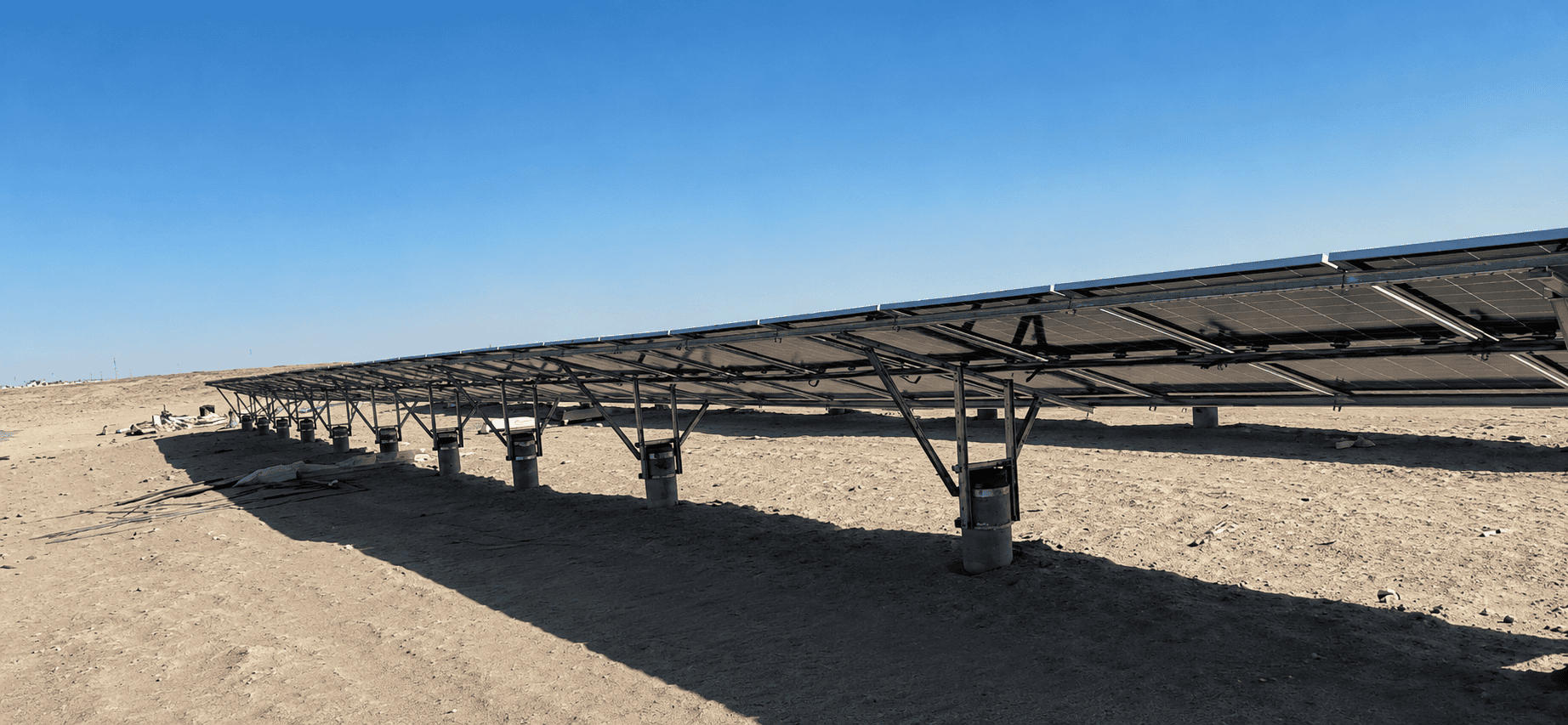
A practical comparison for buyers deciding whether a normal pump inverter, grid VFD, or solar pump inverter fits an irrigation or water-supply project.
A pump inverter usually controls an AC pump from stable grid or generator power. A solar pump inverter is designed to run a pump from solar panels, with DC input, MPPT tracking, voltage-window control, and pump protection. The difference matters when the project depends on PV power instead of steady AC supply.
The Common Mistake: Using a Grid VFD for a Solar Pump Job
The mistake usually starts with a simple idea.
“We already use VFDs for pumps. Can we connect solar panels to one?”
For a grid-powered pump room, a normal pump inverter or VFD can be the right tool. It controls motor speed, soft start, pressure, or flow when the input power is stable.
Solar pumping is different.
Solar panels do not give stable AC power. They produce DC power that changes with sunlight, temperature, shade, dust, and string layout. The inverter must track usable PV power and protect the pump when the solar input moves up and down.
If a buyer uses a grid VFD where solar MPPT and DC input logic are needed, the system may not start, may run weakly, or may create over-voltage risk. The cheap shortcut can become a site callback.
That is why buyers should understand the difference before replacing equipment or quoting a project.
Short Answer: Which One Fits Which Job?
Use a normal pump inverter when the pump is powered by grid, generator, or another stable AC source.
Use a solar pump inverter when the pump must run from solar panels and needs PV DC input, MPPT tracking, motor output control, and pump protection.
For solar irrigation, deep wells, remote tanks, livestock water, or farms without stable grid power, the solar water pump inverter path is usually the correct direction.
The question is not only “Can it control a motor?”
The better question is: “Can it handle changing PV input and still protect the pump?”
Pump Inverter vs Solar Pump Inverter Comparison
| Buyer question | Normal pump inverter or grid VFD | Solar pump inverter |
|---|---|---|
| Main power source | Stable AC grid or generator input | DC input from solar panels |
| Solar panel connection | Usually not designed for direct PV input | Designed for PV array input within a DC voltage range |
| MPPT function | Usually absent | Built to track usable solar power |
| Morning and cloudy operation | Depends on stable AC supply | Adjusts output as sunlight changes |
| Motor output | Controls AC motor speed from AC input | Converts solar DC input into controlled AC motor output |
| Protection focus | Motor overload, drive faults, process control | PV voltage, dry run, overload, under-voltage, over-voltage, pump protection |
| Best application | Grid pump rooms, pressure systems, industrial pump control | Solar irrigation, wells, tanks, remote water supply |
| Main risk if misused | Not suitable for direct PV power | Needs correct pump, PV string, and voltage matching |
This comparison is not saying a normal pump inverter is bad.
It is saying the input power is different. A grid VFD expects stable power. A solar pump inverter expects changing solar power and must manage that change.
Why MPPT and DC Input Matter
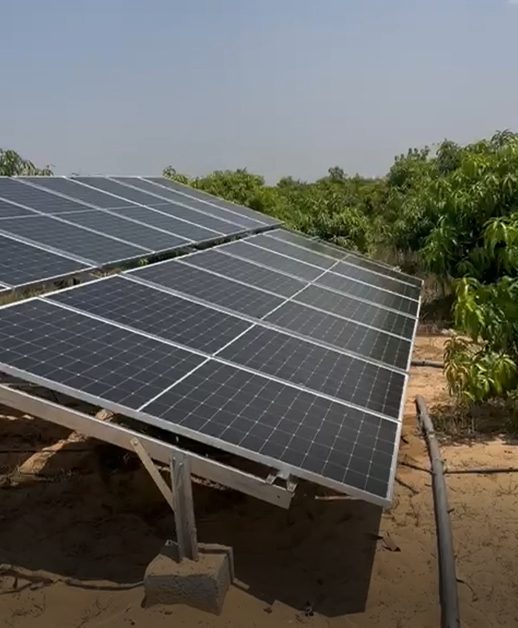
MPPT is one of the biggest differences.
MPPT means maximum power point tracking. In simple terms, it helps the inverter find the most useful operating point from the solar panels as sunlight changes.
A normal pump inverter normally does not need MPPT because the grid gives stable input. It focuses on motor control.
A solar pump inverter must do both jobs. It must read changing PV input and still send controlled output to the pump motor.
That is why panel voltage matters. Too low, and the inverter may stay asleep or run weakly. Too high, and the system can trigger over-voltage protection. Total panel wattage alone is not enough.
Use these starting rules when checking PV sizing and useful Vmp targets:
| Pump system | PV array power starting rule | Useful Vmp target |
|---|---|---|
| 220V single-phase pump | PV Array Power >= Pump Rated Power x 2.0 | Around 320V DC Vmp |
| 380V three-phase pump | PV Array Power >= Pump Rated Power x 1.3 to 1.5 | Around 540V DC Vmp |
The final design still needs the pump nameplate, inverter datasheet, panel datasheet, site temperature, cable distance, and water requirement.
Field Example: A Buyer Tries to Use a Grid VFD
Here is a common project risk.
A buyer has an AC pump and an old grid VFD. The pump worked well when grid power was available. Now the buyer wants to run the pump from solar panels during the day.
The buyer asks whether the existing VFD can be kept.
If the VFD is designed only for stable AC input, connecting panels directly is not the right path. It may not accept PV DC input, not have MPPT, not manage the solar voltage window. It may also lack pump-specific solar protection logic.
The better first step is to send the pump nameplate and PV plan. The supplier needs pump power, voltage, phase, rated current, head, flow, panel Voc, panel Vmp, and planned string layout.
Only then can the buyer decide whether a solar pump inverter is needed and which model path fits.
For a deeper technical comparison, see Solarseeker’s guide on solar water pump inverter vs grid VFD.
Where a Normal Pump Inverter Still Makes Sense
A normal pump inverter still has a clear job.
It makes sense in grid pump rooms, pressure-control systems, factories, buildings, and sites where AC input is stable. It can help with soft start, speed control, pressure control, and motor protection.
If the project does not use solar panels as the main energy source, a solar pump inverter may not be necessary.
But once the buyer wants direct PV input, solar-day operation, MPPT, and pump protection under changing sunlight, the selection changes.
This is where many quotations go wrong. The buyer compares only power rating and ignores input source.
Where a Solar Pump Inverter Fits Better
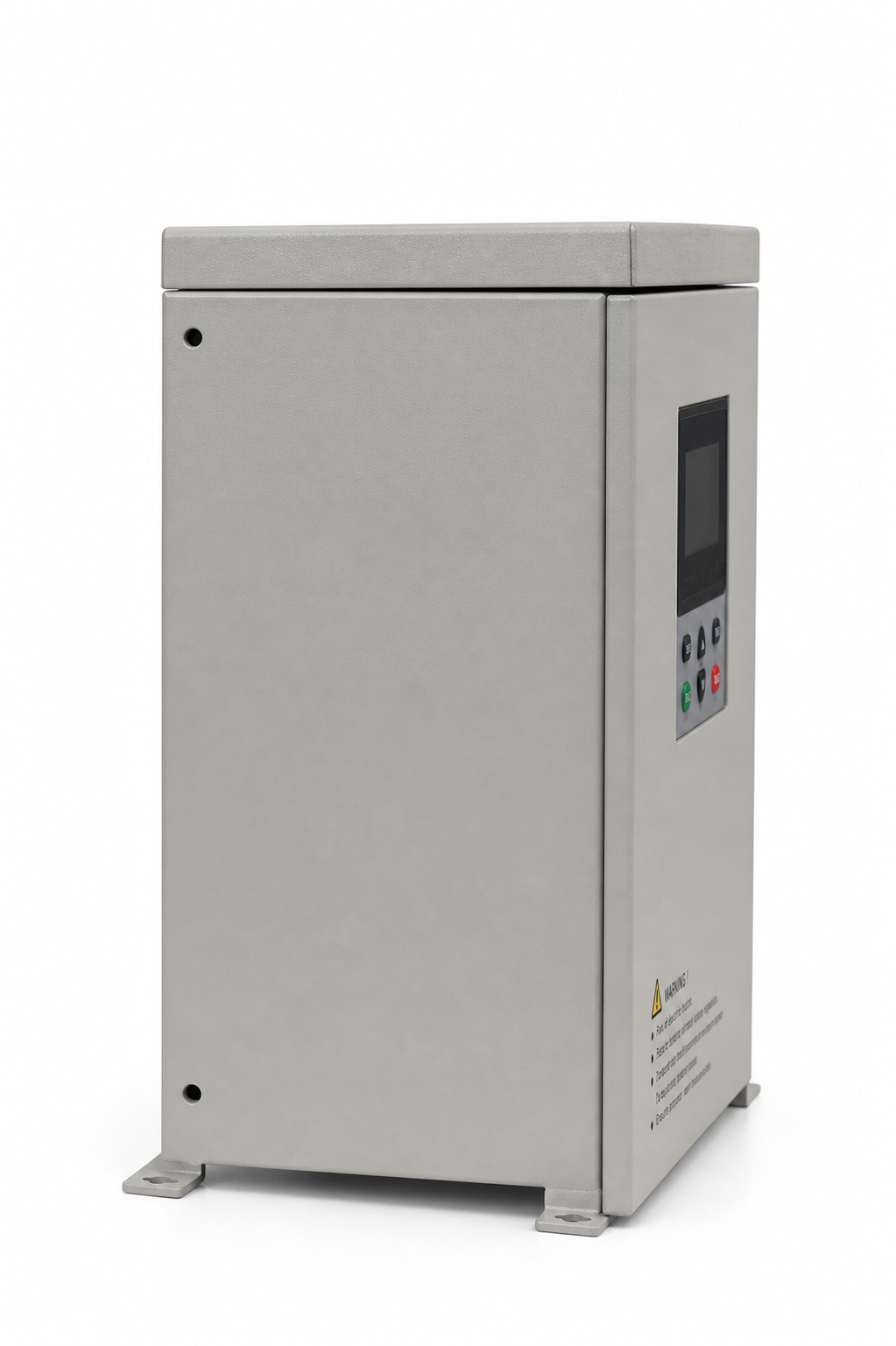
A solar pump inverter fits better when the project depends on solar panels as the main power source.
This includes off-grid irrigation, deep-well pumping, livestock water, storage tanks, and remote water supply. It is also useful when the buyer wants to keep an existing AC pump but run it from solar power.
For broad 380V three-phase irrigation and deep-well projects, Solarseeker’s SP4 solar pump inverter is a relevant product path to review.
Do not select only by kW. Check voltage, phase, rated current, head, flow, PV string plan, and cable distance before choosing the inverter.
Safety Note Before Replacing Equipment
Do not connect PV strings to a normal VFD unless the product manual clearly supports that input and the installation is designed by qualified technicians.
Solar pumping systems may involve PV DC voltage, AC motor output, grounding, protection devices, and stored energy in drives or capacitors. Follow local electrical codes, product manuals, and trained installation procedures.
FAQ
Can a normal pump inverter run from solar panels?
Usually not directly. A normal pump inverter or grid VFD is normally designed for stable AC input. Direct PV use requires DC input support, MPPT, voltage-window control, and proper pump protection.
Is a solar pump inverter the same as a VFD?
It is similar in motor-output function, but it is not the same in solar applications. A solar pump inverter also manages PV DC input, MPPT tracking, changing sunlight, voltage protection, and pump-specific operating logic.
Is MPPT required for solar pumping?
MPPT is strongly recommended when the pump runs directly from solar panels. It helps the inverter use available solar power as sunlight changes. Without MPPT, startup, water output, and cloudy operation may be poor.
What data is needed before replacing a pump inverter?
Send the pump nameplate, pump power, voltage, phase, rated current, head, flow, cable distance, panel Voc, panel Vmp, and planned PV string layout. This helps confirm whether the project needs a solar pump inverter.
Ask for a Model Recommendation Before Replacing Equipment
Before replacing a VFD or buying a solar pump inverter, confirm the power source and pump data first.
For a Solarseeker model recommendation, send the pump nameplate, pump voltage, phase, current, head, flow, existing inverter details, and PV string plan through the contact page. That avoids replacing the wrong part when the real issue is PV input, voltage matching, or pump load.