
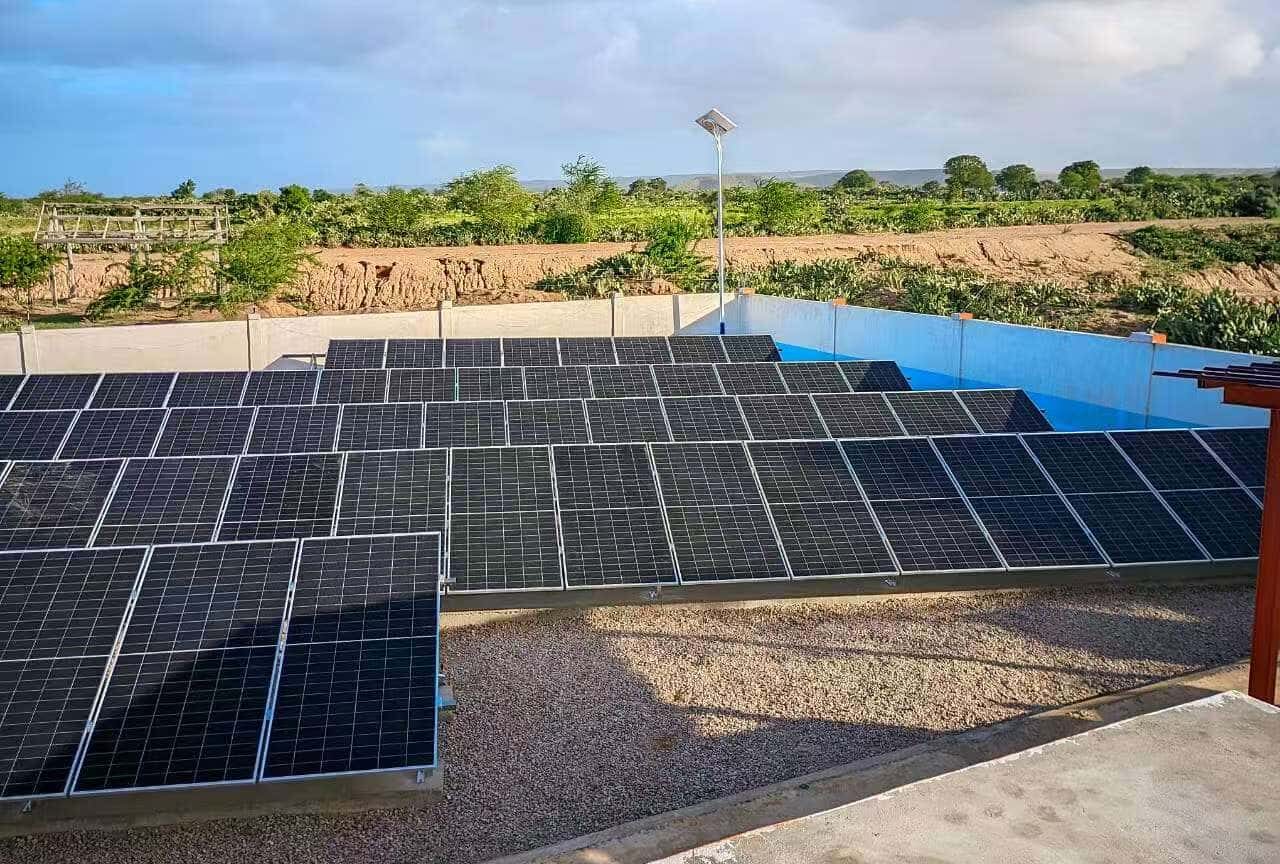
What EPC contractors must check before installing irrigation projects
This is Andy. I have spent the last eight years working on solar pumping projects, and I will say this plainly: inverter protection is not decoration. It is what keeps a remote irrigation site from becoming a repeat service job.
For most solar water pump inverter projects, the must-have protection features are dry-run protection, overcurrent and overload protection, DC overvoltage and undervoltage protection, phase-loss protection for three-phase motors, short-circuit protection, thermal protection, sleep/wake control, and clear fault records. EPC contractors should check these features before comparing price. Cheap inverters can cost a lot of time and money if they burn out water pumps, trip the circuit breaker every cloudy morning, or require technicians to repeatedly come to farms two hours away.
Quick Field Rule
Protection Risk = Fault Frequency x Site Visit Cost + Pump Damage Risk + Lost Water Time
PV Array Power = Pump Rated Power x 1.3 to 1.5
Correct Protection = Right Inverter Feature + Correct Setting + Correct PV Voltage Window
Protection features cannot fix a bad system design. If the PV array is undersized, the inverter will wake late and stop early. If the string voltage is outside the inverter window, the site may still suffer trips even when the protection menu looks good on paper.
Protection Features EPC Buyers Should Check
| Protection feature | What it does | Failure it helps prevent | Field value for EPC projects |
|---|---|---|---|
| Dry-run protection | Stops or limits the pump when the water source cannot supply water | Burned pump, damaged seals, empty-well running | Fewer pump failures in wells, reservoirs, and canals with changing water level |
| Overcurrent and overload protection | Detects abnormal motor current or heavy pump load | Motor overheating, inverter trip, damaged impeller | Protects the system when pipes block, valves close, or sand loads the pump |
| DC overvoltage protection | Stops operation when PV voltage is too high | Inverter over-voltage alarm, capacitor stress, damaged electronics | Important in cold mornings when panel Voc rises |
| DC undervoltage protection | Stops weak operation when PV voltage is too low | Sleep mode loops, low-frequency running, weak water output | Helps avoid unstable pumping at dawn, sunset, and under clouds |
| Phase-loss protection | Detects missing phase on three-phase output or supply conditions where applicable | Three-phase motor overheating or failure | Needed for 380V three-phase pump systems |
| Short-circuit protection | Trips quickly during electrical faults | Cable damage, inverter damage, safety risk | Protects workers and equipment during wiring faults |
| Thermal protection | Monitors inverter or motor heat condition | Heat shutdown, component ageing, nuisance trips | Needed in hot cabinets, desert sites, and long daily irrigation runs |
| Sleep/wake control | Starts and stops pumping based on available solar power | Repeated start attempts, weak low-sun pumping | Improves morning start, evening stop, and cloudy-day behavior |
| Fault record and alarm display | Stores fault codes and running status | Slow troubleshooting | Helps technicians solve faults faster during site visits |
If a supplier only says “full protection” but cannot explain the setting range, alarm code, and restart logic, keep asking. Field protection must be visible, adjustable where needed, and easy for a technician to understand.
Dry-Run Protection: The Pump Saver
Dry-run is one of the most expensive failures in solar irrigation. A pump can run without enough water because the well level drops, the reservoir runs low, a suction pipe leaks, or the intake screen gets blocked by leaves and mud.
A good solar pump inverter should detect dry-run through motor current behavior, pressure/flow feedback, level probes, or a mix of methods depending on the site. Sensorless dry running protection is actually quite practical because it reduces additional wiring. For deep wells or reservoirs with unstable water levels, adding a level sensor is a better option.
| Water source | Common dry-run cause | Better protection approach | EPC note |
|---|---|---|---|
| Deep well | Water level drops during long pumping hours | Dry-run detection plus restart delay | Do not restart too fast. Let the well recover. |
| Canal | Intake blocked by weeds or mud | Current monitoring plus intake inspection | Add a maintenance check point at the intake. |
| Reservoir or pond | Seasonal water level change | Level sensor plus inverter dry-run logic | Good for farms with dry-season water drops. |
| Tank transfer | Empty source tank or closed valve | Float switch or level probe | Simple sensors can save a pump. |
The restart delay matters. If the inverter stops the pump and immediately retries again and again, the motor still suffers. In many sites, the restart delay should be tested during commissioning and adjusted to match well recovery time.
DC Voltage Protection: The Solar-Specific Problem
Grid VFDs work with stable AC input. Solar pump inverters do not have that luxury. They must handle PV voltage that changes with sunlight, temperature, cloud cover, and string design.
For solar pumping, DC voltage protection is not just a safety feature. It affects daily water output.
| System type | Field Vmp target | What happens if voltage is too low | What happens if voltage is too high |
|---|---|---|---|
| 220V single-phase pump inverter | Around 310V DC Vmp | Inverter may stay asleep, start late, or run weakly | Over-voltage alarms or component stress |
| 380V three-phase pump inverter | Around 540V DC Vmp | Low frequency, unstable flow, poor water output | Over-voltage trips, higher failure risk |
Cold weather raises Voc. High heat lowers Vmp. This is why EPC teams should check both hot and cold conditions before buying panels. A string that looks fine at noon may trip the inverter on a cold morning. Even components that appear to be working fine on the surface may have too low a voltage at high temperatures, causing the water pump to operate below its effective frequency.
If you need the sizing method, use the guide on how to size a solar water pump inverter for irrigation projects.
Overcurrent and Overload Protection: When the Pump Works Too Hard
Solar water pumps do not fail only because of electronics. They also fail because the hydraulic side changes.
Common overload causes include:
- Sand or mud entering the pump
- A blocked pipe or filter
- A valve left partly closed
- Wrong pump curve for the required head
- Voltage drop on long cable runs
- Bearing or impeller wear over time
Overcurrent protection reacts to abnormal current. Overload protection looks at heavy load over time. Both matter. A short spike during startup is different from a pump that runs overloaded for 30 minutes in the afternoon heat.
EPC teams should check the motor nameplate current and set the inverter parameters during commissioning. Do not guess. Use the pump nameplate, measure running current during test pumping, and leave a record for the maintenance team.
Thermal Protection: Heat Is a Real Site Cost
Many irrigation sites are hot, dusty, and far from clean electrical rooms. If the inverter sits inside a sealed cabinet under direct sun, internal temperature can rise fast. Heat shortens component life and causes nuisance trips.
Thermal protection should cover two questions:
- Can the inverter detect and alarm when its internal temperature is too high?
- Is the enclosure design suitable for the site temperature, dust, rain, and ventilation?
An IP20 inverter may work well indoors, but in a dusty farm site it often needs a proper cabinet. A higher-protection model or solar pump cabinet can cost more upfront, but it may reduce fan failures, dust buildup, water ingress, and return visits.
Phase-Loss and Short-Circuit Protection
Phase-loss protection is mainly a three-phase motor issue. If a 380V three-phase pump loses one phase, the motor can overheat quickly. The inverter should detect the abnormal condition and stop before the motor is damaged.
Short-circuit protection is more basic, but it is non-negotiable. Long cable runs, rough installation, damaged insulation, water in junction boxes, and poor terminals can create faults. The inverter should trip quickly, show a clear fault code, and make troubleshooting safer.
This is also where installation quality matters. Protection features cannot rescue bad terminals, loose screws, undersized cable, or poor grounding forever.
Sleep/Wake Control: Small Setting, Big Water Difference
In the field, many complaints sound like this:
“The pump starts late.”
“The pump keeps stopping under clouds.”
“The inverter shows no fault, but water output is poor.”
Often the issue is not a broken inverter. It is the sleep/wake logic combined with PV sizing and voltage. A solar pump inverter should avoid repeated weak starts when sunlight is too low. It should sleep when available solar power cannot run the pump properly, then wake when voltage and power recover.
This protects the pump and reduces annoying start-stop behavior. It also improves the user’s trust in the system. Farmers do not want to watch an inverter clicking between start and stop every morning.
For cloudy site behavior, see how solar water pump inverters perform on cloudy days.
Hidden Cost: Missing Protection Becomes Service Cost
The cheapest inverter is not cheap if it creates callbacks.
| Missing or weak protection | Likely field result | Hidden cost |
|---|---|---|
| Weak dry-run logic | Pump runs without enough water | Pump replacement, labor, project complaint |
| Poor DC voltage window handling | Trips under clouds or cold mornings | Technician visits and unstable irrigation |
| No clear overload setting | Pump runs hot under blocked flow | Motor damage and lower pump life |
| Weak thermal design | Inverter trips in hot cabinet | Cabinet upgrade, fan service, downtime |
| No fault history | Technician cannot see past alarms | Longer troubleshooting time |
| Poor phase-loss protection | Three-phase motor overheats | Motor repair or replacement |
For EPC contractors, the cost is not only parts. It is crew time under the sun, fuel, travel, angry farm managers, and lost water days. Protection features are a service-cost control tool.
Field Example: Colombian Orchard Irrigation
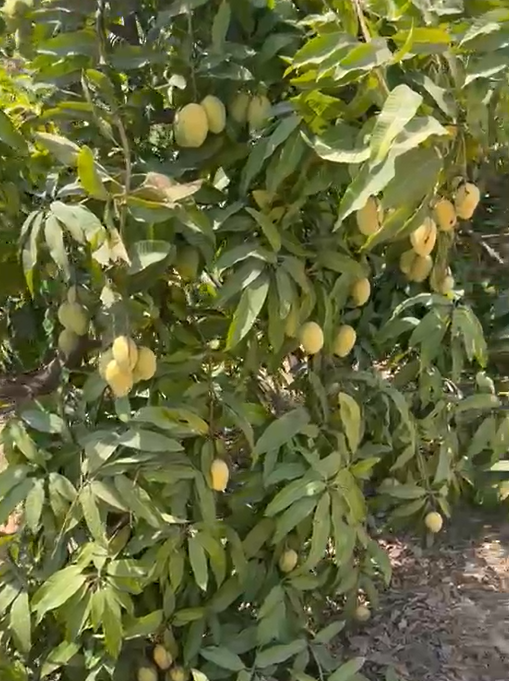
In one Colombian orchard irrigation project, a single-phase AC pump was installed with a solar water pump inverter. The site had frequent cloudy periods and changing solar input during the day.
The important protections were dry-run protection, DC voltage protection, overload protection, and sleep/wake control. The inverter stopped unstable operation when available sunlight dropped too low, then restarted when solar power recovered. It also protected the pump when water conditions changed.
Compared with earlier projects that used generic VFDs in similar irrigation work, the site saw about 40% fewer maintenance visits. I would not sell that number as a promise for every project. It came from one field case. The useful lesson is this: when protection logic matches the water source and PV design, EPC teams spend less time fixing avoidable faults.
For product background, see the solar water pump inverter system overview.
How EPC Contractors Should Choose Protection Features
Before placing an order, ask these questions:
- What dry-run method does the inverter use, and can the restart delay be adjusted?
- What are the DC input voltage limits, MPPT range, and over-voltage alarm threshold?
- Does the selected model match a 220V single-phase or 380V three-phase pump?
- Can overload current, restart logic, and sleep/wake settings be adjusted on site?
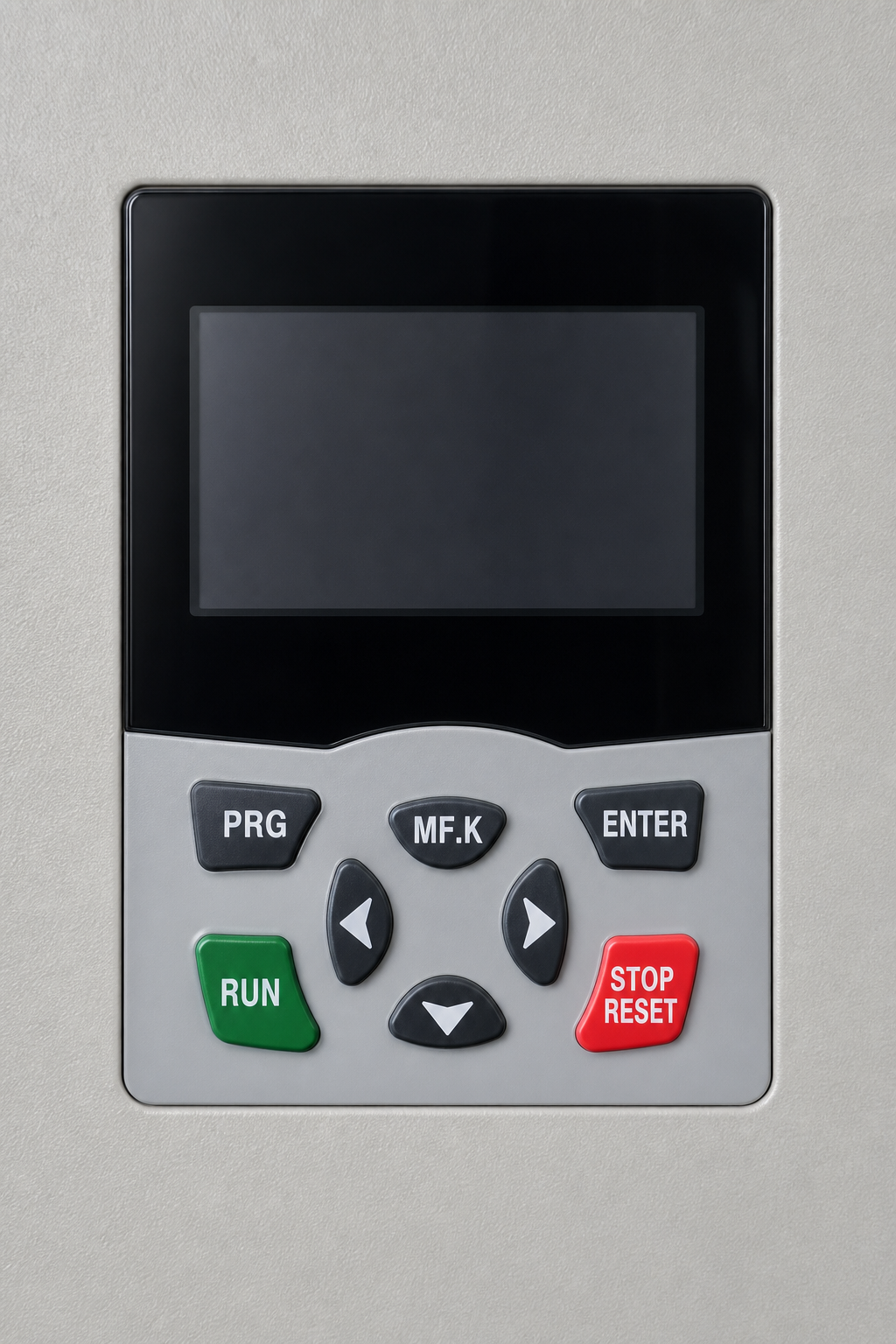
- Does the inverter store fault codes for later troubleshooting?
- What cabinet or IP rating is needed for heat, dust, and rain at the site?
- Does the supplier provide a parameter sheet for the pump and PV array?
Also check common selection errors before ordering. This article is a useful next step: common mistakes when selecting solar water pump inverters.
Commissioning Checklist
Use this checklist during startup:
- Confirm pump nameplate: power, voltage, phase, current, and frequency.
- Confirm PV array power: pump power x 1.3 to 1.5 as a starting rule.
- Check string Vmp and Voc against inverter input limits.
- Confirm pump rotation direction before long operation.
- Run the pump and record normal current at working head.
- Test dry-run or low-water response where possible.
- Check overload and restart settings.
- Check sleep/wake behavior in weak sunlight if site conditions allow.
- Record fault codes, parameters, and final settings for the owner.
Good commissioning is cheaper than a callback.
FAQ
What protection features should a solar water pump inverter have?
It should have dry-run protection, overcurrent and overload protection, DC overvoltage and undervoltage protection, thermal protection, short-circuit protection, phase-loss protection for three-phase systems, sleep/wake control, and readable fault records.
Why is dry-run protection important for irrigation pumps?
Dry-run protection stops the pump when the water source cannot supply enough water. Without it, the pump can run dry, overheat, damage seals, and fail early.
Can a normal grid VFD protect a solar water pump?
Some grid VFDs have basic motor protection, but they are not built around changing PV input, MPPT, solar sleep/wake logic, or low-sun restart behavior. For off-grid solar pumping, a solar pump inverter is usually the better fit.
What DC voltage should I target for a solar pump inverter?
As a field target, 220V single-phase pump inverters often need around 310V DC Vmp, while 380V three-phase pump inverters often need around 540V DC Vmp. Always check the exact model datasheet and local temperature range.
What should I send to check protection settings?
Send the pump nameplate, pump power, voltage, phase, rated current, head and flow requirement, PV panel model, planned string design, water source type, cable distance, and site temperature conditions.
Product Path After Protection Review
After checking dry-run, overload, voltage, phase, and sleep/wake behavior, connect the protection requirement to the product path. Many 380V three-phase irrigation and deep-well projects should be checked against the SP4 solar pump inverter. If the buyer also needs cabinet, sensor, or controller-style protection, compare the solar pump controller category before quoting.
Ask an Engineer to Check the Protection Settings
Before ordering panels or commissioning a remote irrigation site, send the pump nameplate, PV panel model, water source type, and project location. SolarSeeker can help check the voltage window, protection settings, and inverter model match.