
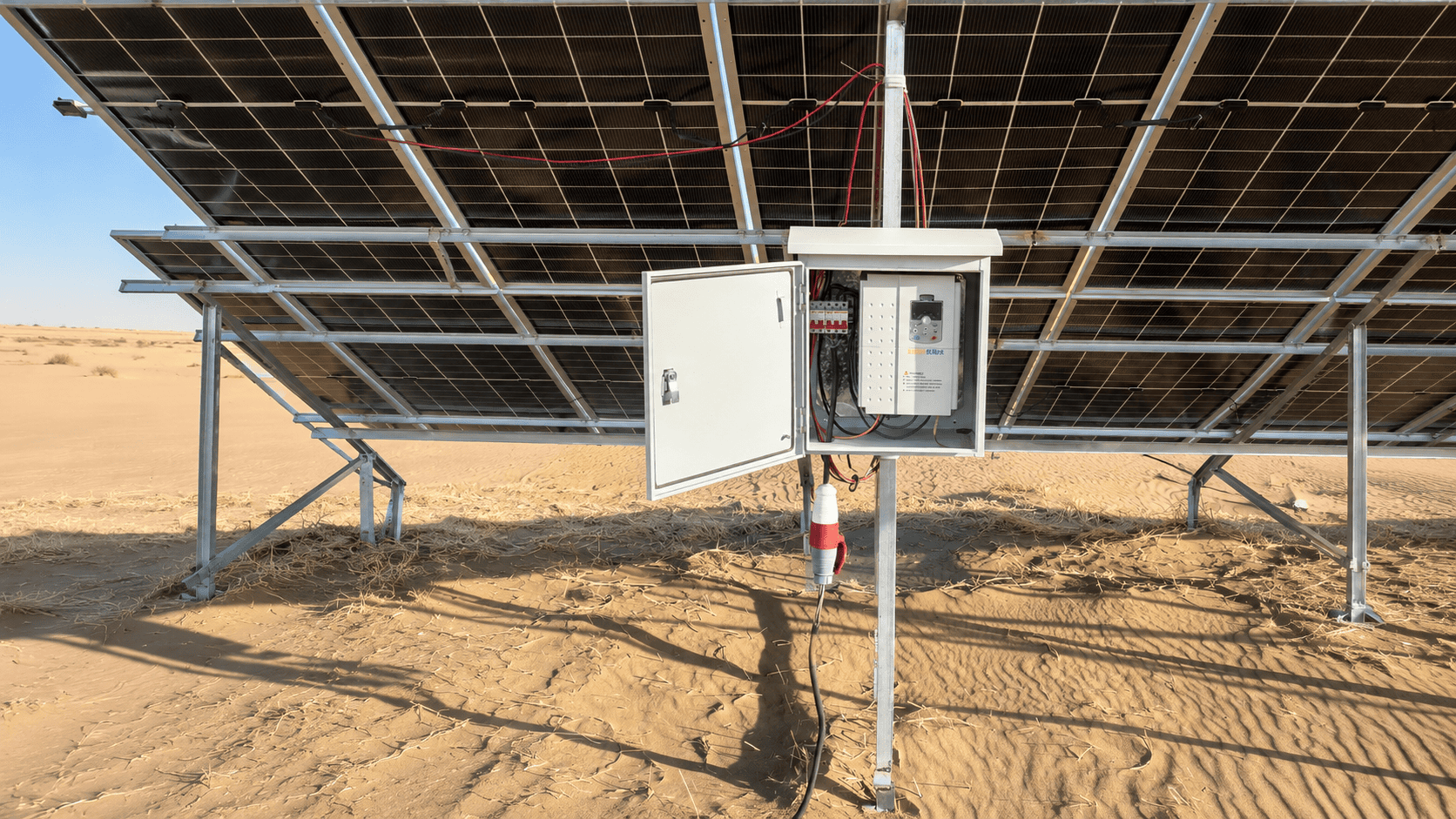
A short procurement guide for distributors and EPC buyers comparing pump supply, inverter control, cabinet support, and after-sales responsibility.
A solar pumps manufacturer mainly supplies the pump that moves water. A solar pump inverter manufacturer focuses on PV input, MPPT, motor control, protection, cabinet logic, and fault support. Buyers should not choose by the word “manufacturer” alone. They should check which supplier owns each project risk before ordering.
Start With the Real Project Scope
The common mistake is assuming one supplier covers the whole solar pumping system because the quote says “solar pump.”
That may not be true.
A complete project can include the pump, inverter, cabinet, PV string plan, protection settings, wiring logic, and after-sales support. One factory may make only the pump. Another may make only the inverter. A third supplier may assemble the cabinet.
This boundary matters after shipment.
If the pump runs weakly, starts late, or trips after installation, the buyer needs a clear answer. Is it a pump selection problem? A PV voltage problem? An inverter setting problem? A cabinet or wiring issue?
If nobody owns that diagnosis, the distributor owns the complaint.
That is why buyers should check supplier scope before comparing prices. Solarseeker’s manufacturer page is a useful starting point for understanding factory role and project support.
Quick Answer: Which Supplier Should You Talk To?
Start with the risk you need to solve.
If the question is head, flow, pump curve, impeller, motor construction, or pump body material, start with the pump manufacturer.
Or if the question is AC pump solar conversion, PV input, MPPT, protection settings, cabinet layout, or inverter faults, start with the solar pump inverter manufacturer.
If the project needs pump, inverter, cabinet, OEM labels, manuals, training, and support, look for a supplier who can explain the whole support path.
The safer supplier is not always the one with the widest catalog. It is the one who can tell you what they make, what they integrate, and what data they need before recommending a system.
Manufacturer Capability Comparison
| Buyer need | Pump manufacturer usually supports | Inverter manufacturer usually supports | Confirm before ordering |
|---|---|---|---|
| Pump selection | Pump type, head, flow, pump curve, motor build | Motor compatibility checks | Duty point, voltage, phase, water source |
| AC pump solar conversion | Pump data and motor information | Inverter model, MPPT, motor output, protection | Nameplate, current, head, flow, PV plan |
| PV input matching | Usually limited support | Voc, Vmp, DC input range, MPPT behavior | Panel datasheet and string layout |
| Cabinet support | Sometimes outsourced | Inverter cabinet, protection logic, wiring layout | Cabinet scope, cooling, service access |
| Distributor/OEM support | Pump branding and pump range | Labels, manuals, fault support, model matching | Branding, training, warranty boundary |
This table is not saying one supplier is better.
It shows where each supplier is usually stronger. A good pump factory may still be weak on inverter settings. A good inverter factory may still need accurate pump data before recommending a model.
What Buyers Often Get Wrong
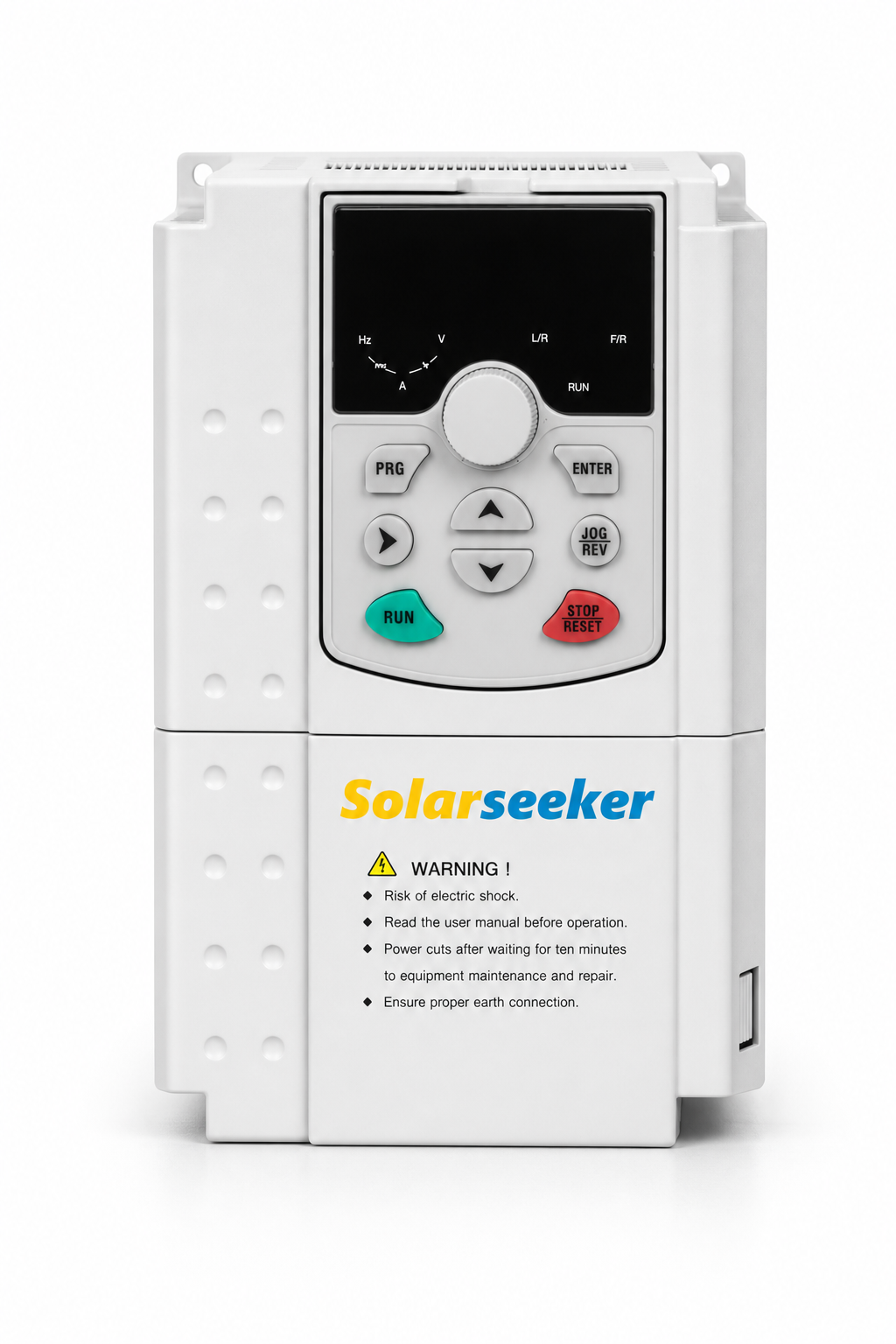
Many buyers ask for a solar pumps manufacturer when they actually need a system answer.
For example, a distributor may need pump supply, inverter matching, cabinet drawings, OEM labels, and technician support. That is more than a pump quotation.
This creates three risks.
First, the quote can hide responsibility. Pump, inverter, cabinet, and PV string design may come from different sources.
Second, a cheap price can become expensive after support cost. Slow fault feedback, unclear wiring notes, and weak parameter support can lead to site returns.
Third, the distributor may stock the wrong product. A market that needs AC pump solar conversion cannot be served by pumps alone. A market that needs complete pump sets cannot be served by inverter stock alone.
Procurement should start from the project type, not the supplier label.
When the Pump Manufacturer Matters More
A pump manufacturer matters more when the pump itself is the main decision.
This includes new pump selection, head and flow, pump construction, motor quality, wet-end material, borehole size, and pump curve fit.
Ask these pump-side questions:
- What head and flow does the site need?
- Is the pump submersible, surface, centrifugal, or borehole type?
- What voltage and phase does the motor use?
- Does the pump curve match the duty point?
- Can the supplier provide pump data and spare parts?
If these answers are wrong, even a good inverter cannot make the wrong pump deliver the required water.
When the Inverter Manufacturer Matters More
A solar pump inverter manufacturer matters more when the buyer already has an AC pump or needs solar drive control.
The inverter decides how solar DC input becomes controlled AC output for the motor. It also affects MPPT behavior, dry-run protection, overload protection, voltage alarms, sleep mode, and commissioning support.
For existing AC pumps, the inverter supplier needs the pump nameplate first. Power alone is not enough. Voltage, phase, rated current, head, flow, cable distance, and PV string plan all affect model selection.
Solarseeker’s solar water pump inverter page is the better path when the project is about AC pump conversion, inverter matching, or control-system support.
Cabinet experience also matters. If the supplier cannot support cabinet layout, protection logic, terminals, cooling, and service access, the installer carries more risk.
Distributor Scenario
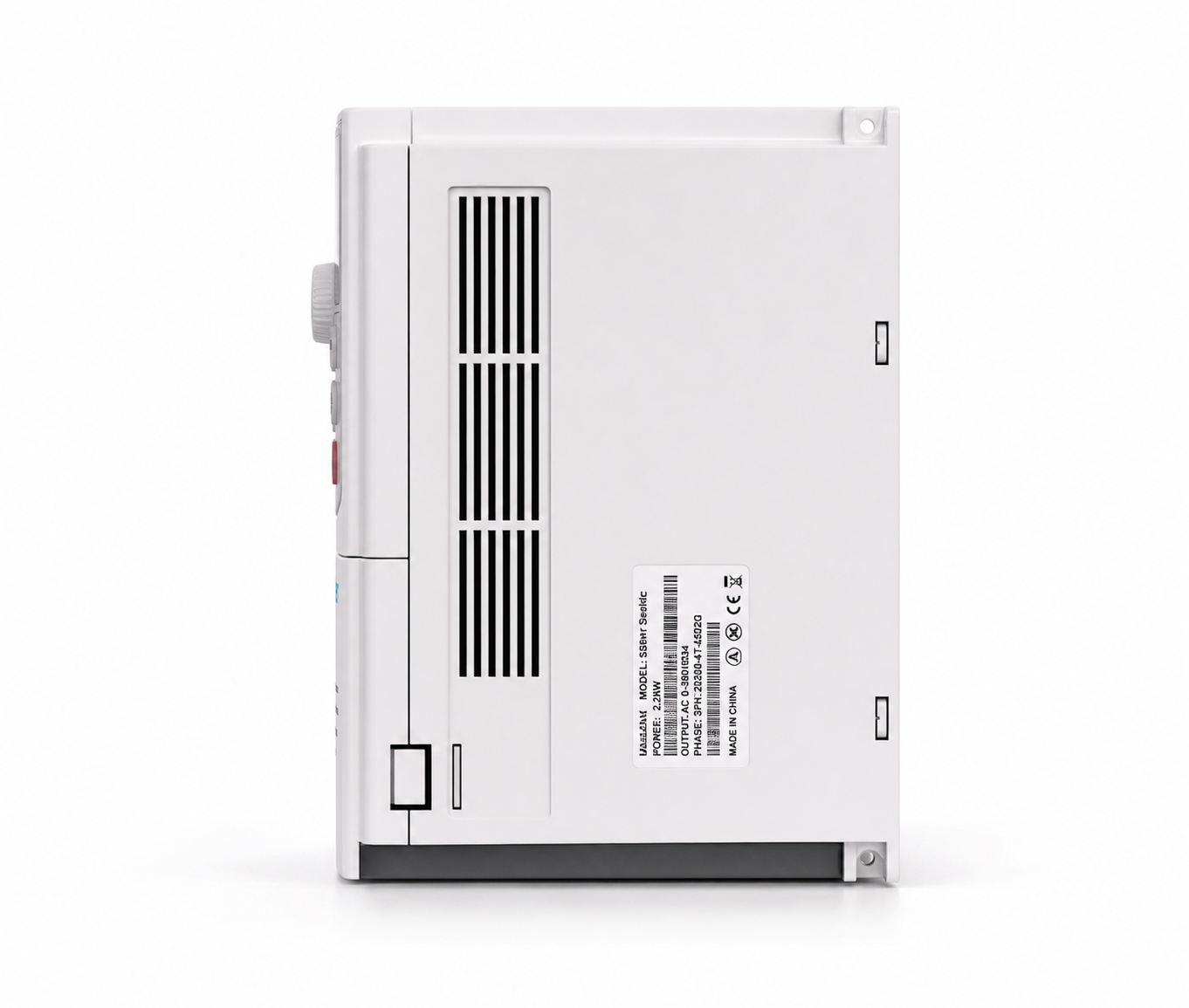
A distributor wants to sell solar pumping systems to farm and irrigation customers.
Some customers want complete pump packages. Others already have AC pumps and only need solar conversion.
If the distributor buys only from a pump factory, pump supply may be fine. But inverter settings, PV matching, and fault support may be weak.
If the distributor buys only from an inverter factory, drive support may be strong. But pump sourcing and hydraulic selection still need a plan.
Before choosing a supplier, ask:
- Which products do you manufacture directly?
- Which parts do you integrate or source?
- Can you check pump nameplates before quotation?
- Can you recommend inverter paths by voltage and phase?
- Can you support cabinet drawings, OEM labels, manuals, and training?
- Who handles fault diagnosis after installation?
For application reference, buyers can review Solarseeker’s solar water pump projects before building a distributor shortlist.
Safer Buying Path
Do not start with, “Are you a solar pumps manufacturer?”
Start with the project type.
If you sell pump packages, check pump manufacturing capability and pump data first.
Or if you sell solar conversion for existing AC pumps, check inverter matching, PV voltage support, and parameter service first.
If you sell complete systems, confirm who owns system integration.
Supplier selection also does not replace safe installation. Solar pumping systems may involve PV DC input, AC motor output, grounding, protection devices, and field wiring. Installers should follow local electrical codes, product manuals, and trained technician procedures.
FAQ
Are solar pumps manufacturers and solar pump inverter manufacturers the same?
No. A solar pumps manufacturer usually focuses on the pump, motor, head, flow, and hydraulic performance. A solar pump inverter manufacturer focuses on PV input, MPPT, motor control, protection logic, and inverter or cabinet support.
Who supports inverter settings after installation?
The solar pump inverter manufacturer or system integrator usually supports inverter settings, fault codes, protection parameters, and PV voltage checks. Buyers should confirm this before ordering.
Can one supplier support both pump and inverter projects?
Yes, if the supplier has real system integration capability or clear partner coverage. Ask which parts are manufactured directly, which are integrated, and who handles pump selection, inverter matching, cabinet design, and after-sales support.
What should distributors ask before choosing a supplier?
Ask about product scope, voltage and phase range, OEM support, manuals, cabinet options, fault-code support, warranty boundary, training materials, and typical project applications. A low price is not enough.
Ask for a Distributor Project Shortlist
Before choosing a supplier, map your target projects first.
For a Solarseeker distributor project shortlist, send your common pump power range, market voltage, pump type, irrigation or water-supply applications, OEM needs, and expected cabinet or inverter support through the contact page. This makes the supplier conversation practical from the first quote.