
Inner Mongolia, China / Livestock Water Supply
SP4005 Solar Pump Inverter for a Grassland Livestock Water Point
On a northern China pasture, water work is practical before it is technical. The water source is away from convenient grid power, cattle and sheep still need a daily drinking point, and the equipment has to be easy for local people to check.
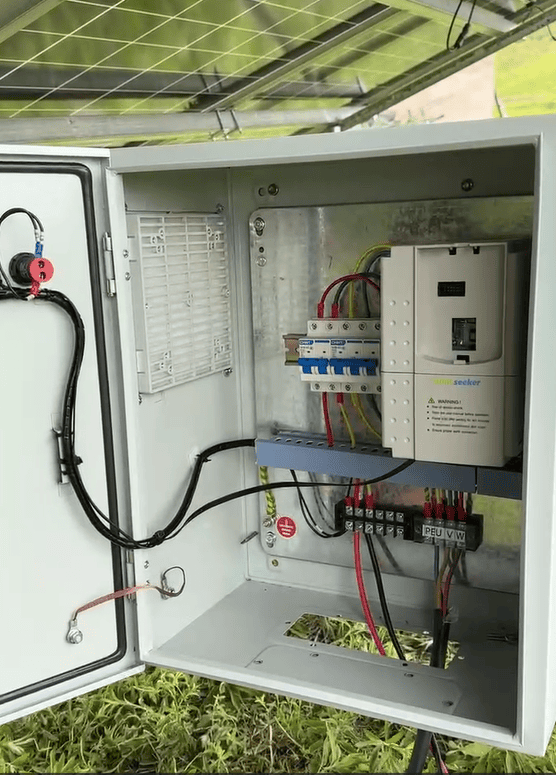
This Inner Mongolia project used a SolarSeeker SP4005 cabinet with a 4kW pump and 18 pieces of 300W solar panels. The site record matters because it shows the full chain: panel row, cabinet wiring, inverter, pump, and the trough where the water arrives.
Location
Inner Mongolia
Inverter
SP4005, 380V
Rated output
5.5kW / 13A
Pump
4kW pump
PV array
18 x 300W panels
Before The Cabinet
The hard part was not buying a pump. It was keeping water work predictable.
Many herders in northern China started with diesel generators because there was no easier option. Later, some tried 24V DC solar pumps or standard pump inverters. The problems were familiar: fuel cost, pump replacement work, unstable flow in changing sunlight, and extra trouble when a new well carried sand.
Diesel was expensive to keep using
Fuel purchase, generator maintenance, and daily operation made water pumping a running cost, not a one-time installation job.
Replacing an old pump was not harmless
Pulling an existing well pump can take time, add cost, and create safety risk for installers if the old pump still matches the job.
Sunlight was not constant
Pasture weather changes fast. A water point needs steady pump behavior through changing light, not flow that rises and drops without warning.
Installed Chain
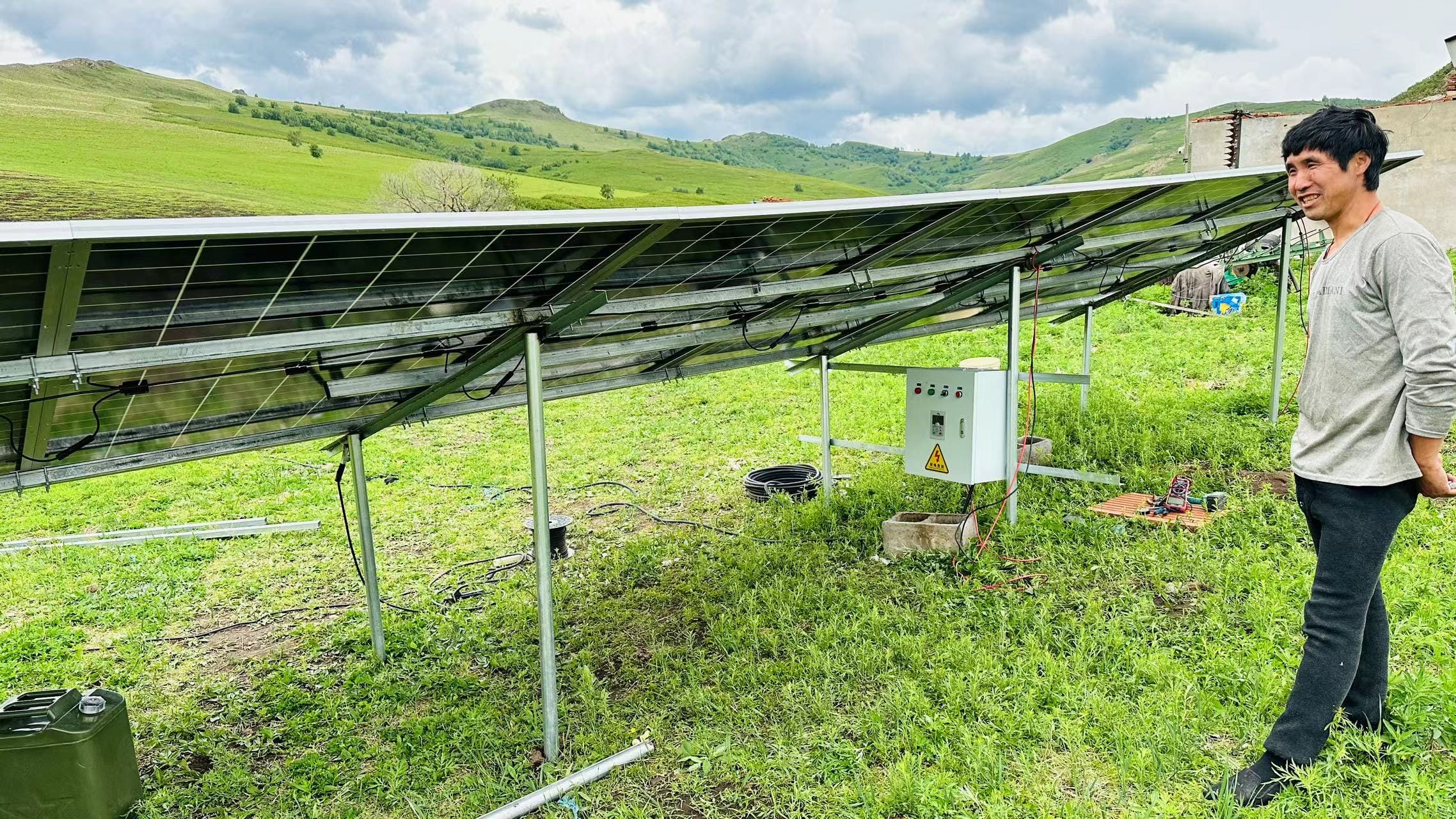
18 panels, SP4005 control, and a 4kW pump working as one system
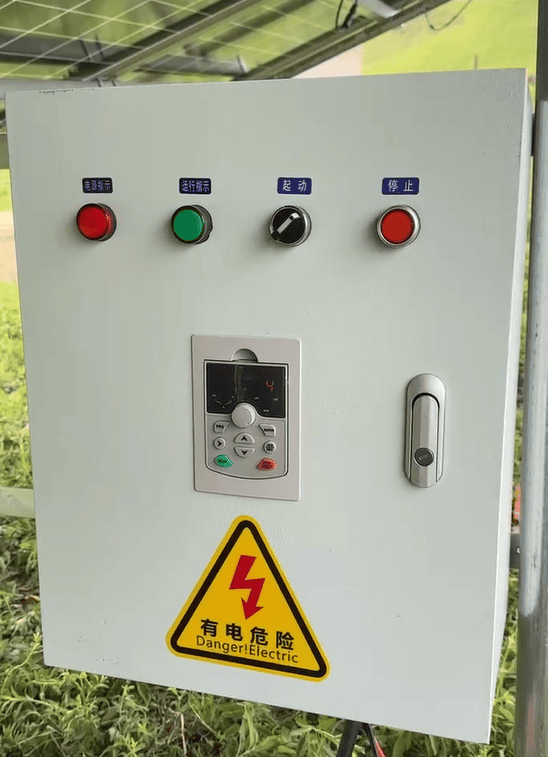
The installed cabinet used a SolarSeeker SP4005 rated at 380V, 5.5kW and 13A, with three-phase input and three-phase output. It was matched with a 4kW pump and 18 pieces of 300W solar panels connected in series.
For a livestock water point, the cabinet is not decoration. It keeps the inverter, breakers, terminals, and cable entry in one place so a local installer can inspect the system without opening loose wiring in the grass.
Input / output
Three phase
Application
Livestock water
Commissioning Notes
The inverter also had to help installers understand the pump side
Pasture wells can bring installation surprises. Sand or blocked-pump situations can appear after a new well is opened. In those cases, the installer needs useful fault information, not only a running or stopped pump.
The SP4005 setup was selected so the pump could use available solar power while also giving installers a clearer starting point for checking PV input, pump wiring, cable condition, and water-side issues.
Site checks that matter
- Confirm pump voltage, phase, current, and rated power.
- Check PV string voltage against the inverter input range.
- Leave the cabinet accessible for inspection after installation.
- Look at water outlet behavior before assuming the electrical side is wrong.
On The Grassland
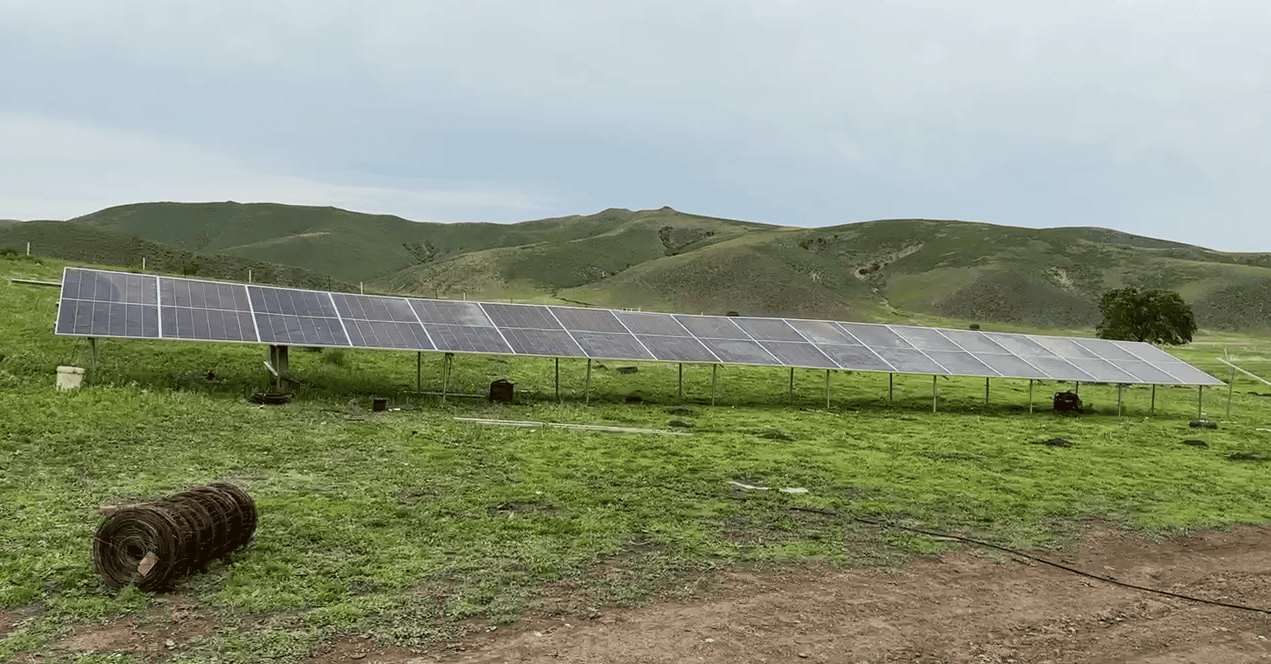
Panel row, cabinet, and water trough in one working site
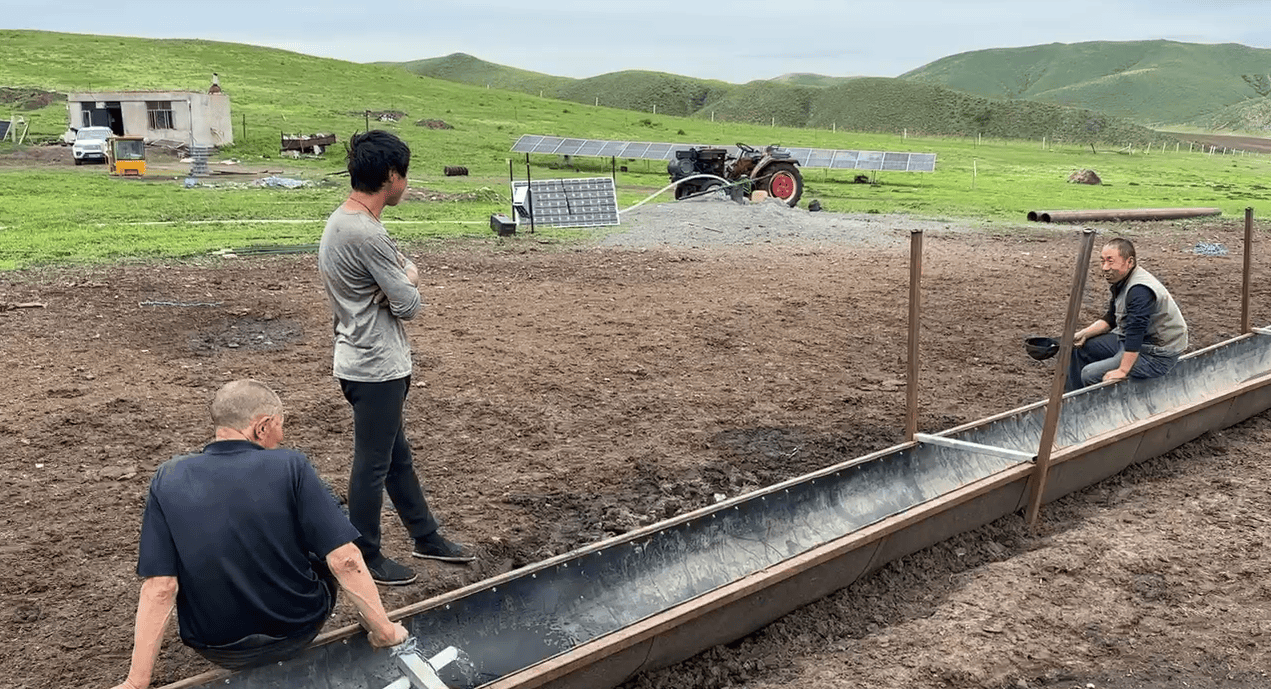
The photos put the equipment in context. The panels sit on open ground, the cabinet is reachable from the array, and the trough is close enough to see how the water is used. For another pasture, these distances matter as much as the inverter model.
Livestock Water Planning
For another pasture, the model starts with the water job.
Existing pump or new pump?
If a usable pump is already in the well, the inverter match should be checked before deciding to pull and replace it.
How far is the drinking point?
Pipe distance, lift, and storage plan affect the pump duty more than the country name or application label.
Who checks it after installation?
Remote livestock sites need controls that local users can inspect without waiting for a specialist every time.
What happens in poor sunlight?
A correct inverter and PV string plan help the pump use changing solar input instead of stopping too early.
For Similar 380V Jobs
Start from the pump, then choose the inverter range
Because this site ran a 380V SP4005 cabinet with a 4kW pump, the next step is the SP4 and 380V system path. For a 220V pasture pump, we would check a different range instead of copying this model.
Solar Water Pump Inverter
Main inverter hub for matching pump voltage, phase, and PV input.
SP4 380V Solar Pump Controller
The closest model-series page for this SP4005 livestock water project.
380V Solar Well Pump Systems
For three-phase well or pasture pump systems that need a complete 380V path.
Solar Pump Cabinet
For outdoor protection, organized wiring, and easier field inspection.
Submersible Well Water Pump
For checking pump head, flow, and power against the water source.
Solar Water Pump Projects
More field cases from irrigation, livestock, wells, ponds, and remote sites.
FAQ
Questions this Inner Mongolia case can answer
What was installed in this livestock water project?
The installation used a SolarSeeker SP4005 solar pump inverter cabinet, 380V / 5.5kW / 13A, with three-phase input and output. The pump was 4kW, with 18 pieces of 300W solar panels.
Why not simply replace the pump with a small DC solar pump?
A small DC pump can look simple at first. The trouble starts when an existing well pump has to be pulled out only to change the power system. For another pasture, SolarSeeker first checks whether the current pump can stay in place and be matched with a suitable inverter.
Is SP4005 always the right model for livestock water supply?
No. SP4005 matched this recorded setup. A new pasture project should be sized from pump nameplate data, water source, pipe distance, desired daily water volume, and solar panel plan.
What information should be sent before asking for a quote?
Send the pump nameplate, water source type, well depth or lift if known, pipe distance, panel wattage, site photos, and whether the system needs a cabinet for outdoor protection.
Planning a livestock water point away from grid power?
Send the pump nameplate, water source, site photos, and panel plan. SolarSeeker can check whether your existing pump can be matched, whether a cabinet is needed, and which inverter range is safer for the site.