
Applications / Livestock Water
Livestock Water Supply Solar Pump System for Farms and Remote Pastures
Animals do not wait for grid power or fuel delivery. A livestock water system must pump daily, protect the pump when water is low, and keep enough storage in the tank or trough.
We size the system from herd demand, water source, head, distance and climate, then match the inverter, pump, panels, cabinet and accessories.
SP4005
Inner Mongolia field reference
4kW
Submersible pump load
18
300W solar panels
Tank
Buffer for daily drinking demand
Field Workflow
Design from animal demand back to the pump
A pasture water point has a different rhythm from crop irrigation. The pump may run in daylight while animals drink through the day from tank or trough storage.
Step 1
Daily demand
Herd size, animal type and weather define the daily water volume.
Step 2
Water source
Well, borehole, pond or reservoir determines pump type and protection risk.
Step 3
Pump control
The inverter tracks solar power and protects the pump from abnormal conditions.
Step 4
Storage
Tank height and trough layout keep water available when sunlight changes.
Step 5
Maintenance
Cabinet labels and simple fault codes help local staff check the system.
Farm Data
Before choosing equipment, send the farm water details
For livestock projects, pump kW is only part of the answer. The water source, daily volume and storage target decide whether the system is comfortable or always under pressure.
We can check the full water point
SolarSeeker can recommend the inverter, pump, PV array, cabinet and accessory list from one project brief.
Animal Demand
Animal type, herd size, daily water target and seasonal temperature.
Source and Head
Well depth, water level, lift height, flow demand and tank height.
Pump Nameplate
Voltage, phase, kW or HP, current and existing pump condition.
Distance
Cable route, pipe route, pasture distance and service access.
Protection
Cabinet, dust, rain, salt fog, snow or outdoor exposure requirement.
Package
Sensors, connectors, cables, spare parts and shipment plan.
Ranch Planning
The drinking point decides the daily rhythm
For cattle, sheep, goats or mixed herds, trough access and storage are part of the pump design. We check where animals drink, how far the pipe runs, and how often staff can inspect the site.
| Ranch Detail | Why It Changes the System | What We Confirm |
|---|---|---|
| Cattle or dairy herd | Higher daily drinking volume and stronger trough demand. | Tank size, refill window and pump duty. |
| Sheep or goat pasture | Smaller demand but wider grazing distance. | Pipe route, outlet points and cable protection. |
| Seasonal grazing land | Dust, wind, freezing nights or dry months change maintenance. | Cabinet location, spare parts and protection level. |
| Shared rural water point | Animals and people may depend on the same storage source. | Storage priority, overflow control and service access. |
Project Proof
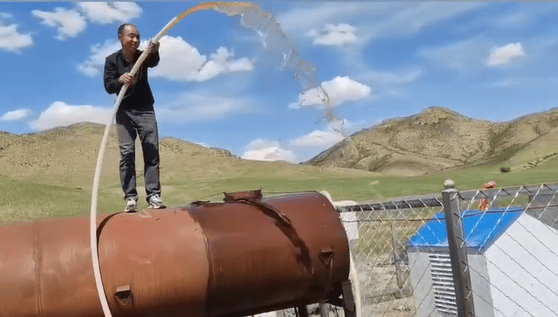
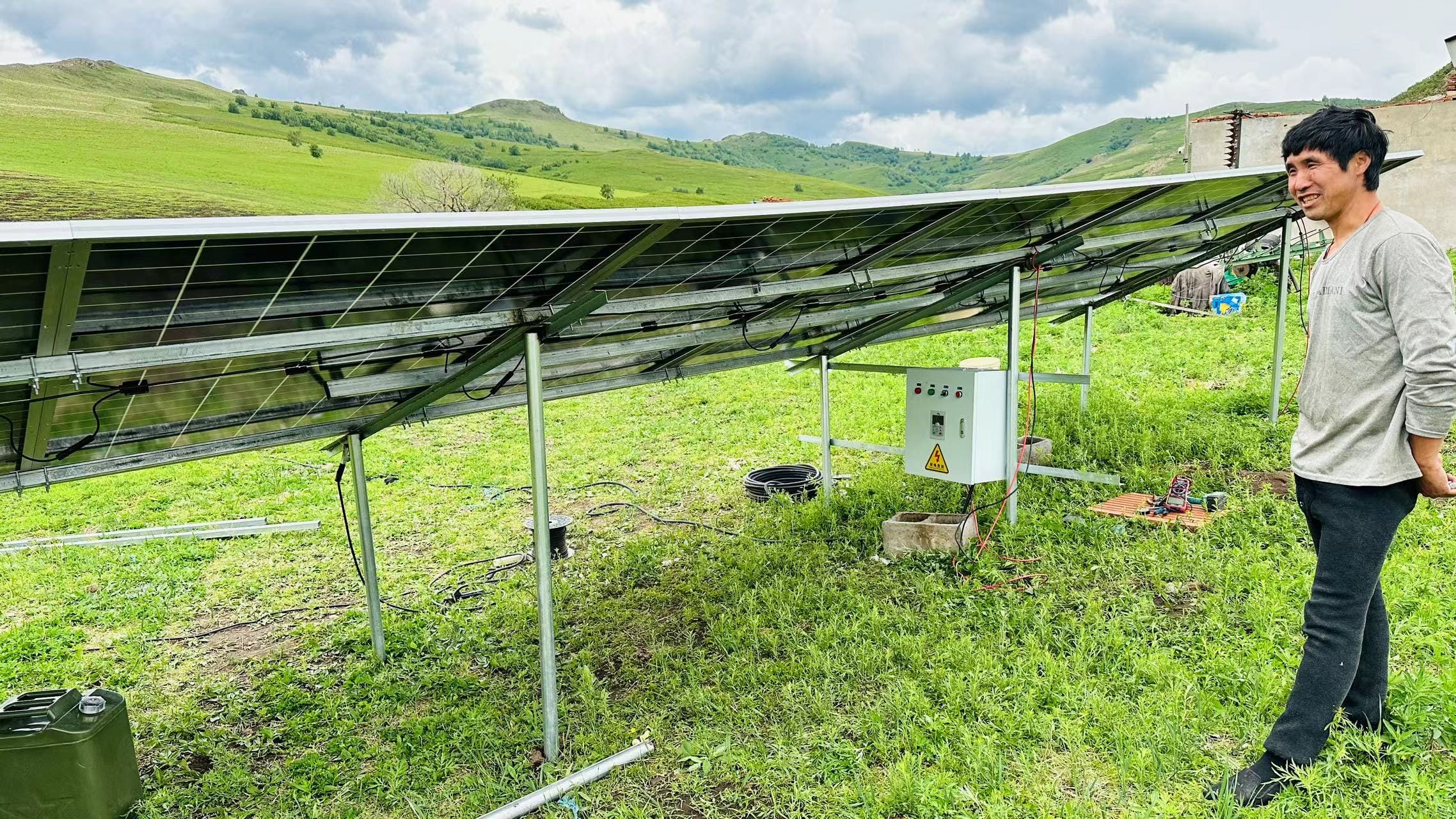
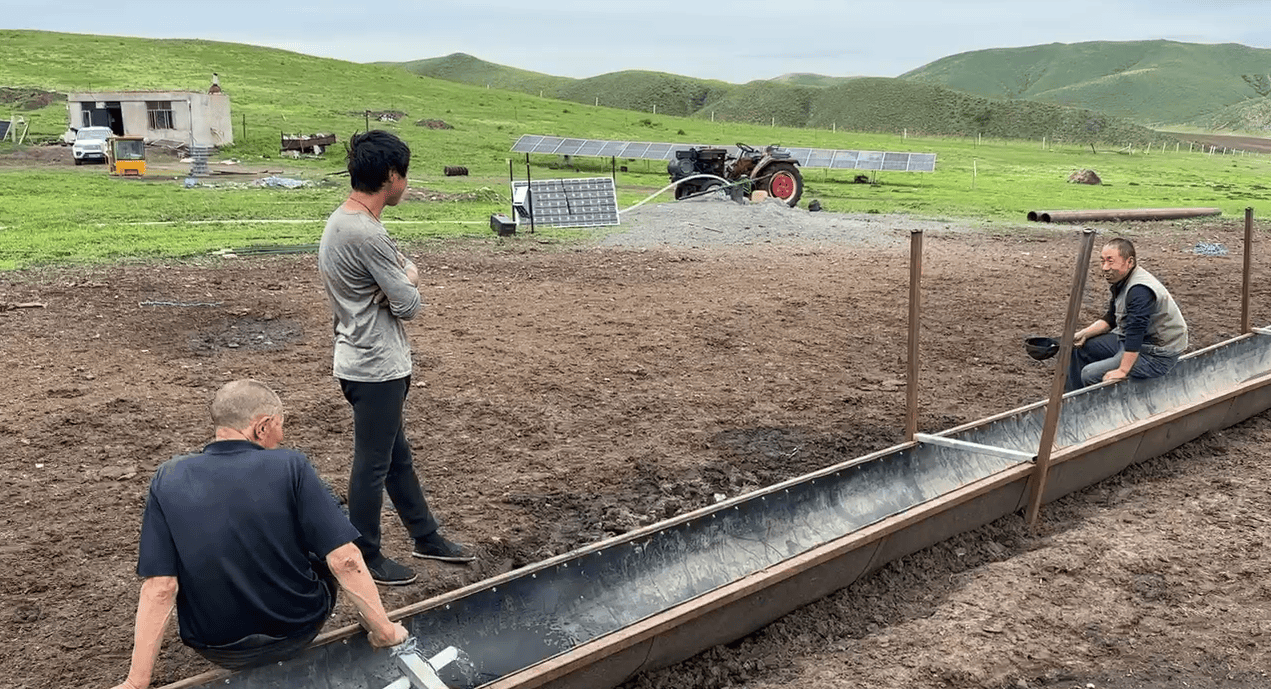
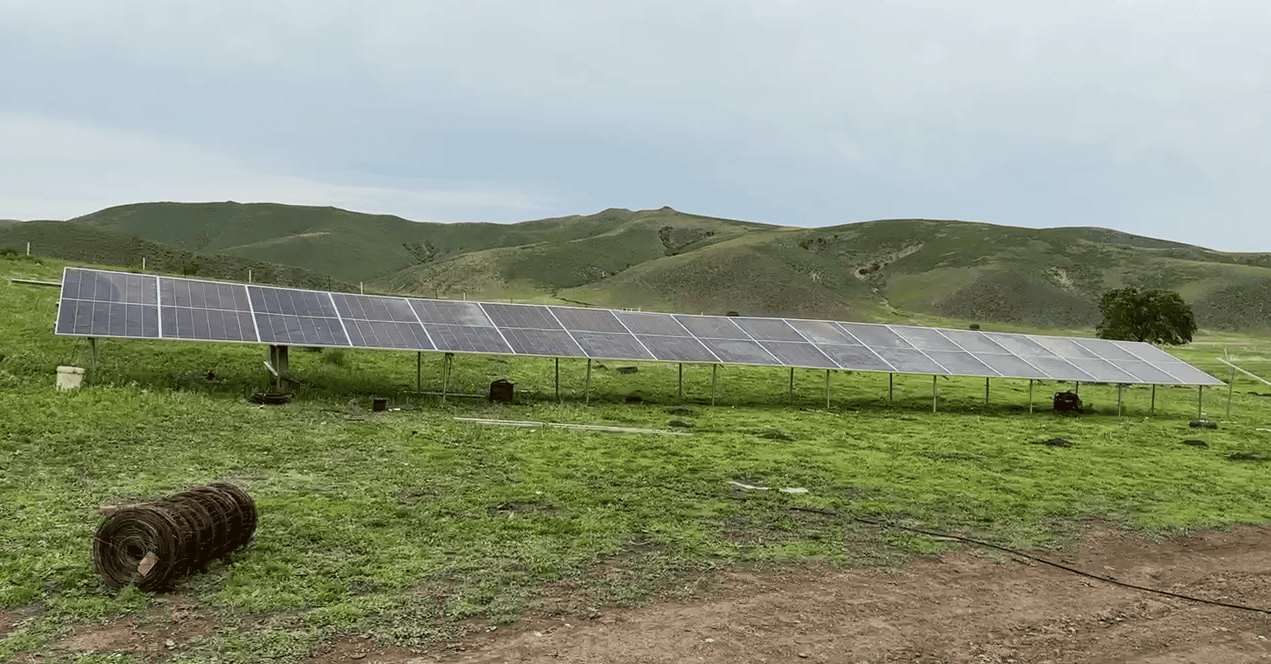
Inner Mongolia livestock watering project
SolarSeeker supplied an SP4005 inverter path for a 4kW high-efficiency submersible pump with 18 x 300W panels. The system supports remote livestock water supply where daily pumping reliability matters more than decorative complexity.
Inverter
SP4005
Pump
4kW submersible
PV Array
18 x 300W
Product Paths
Match the livestock water point to the right equipment group
SP4 Inverter
For 380V three-phase pumps and stronger pasture water systems.
View SP4
Submersible Pump
For well depth, head, flow and pump body selection.
Select pump
Solar Pump Cabinet
For dust, rain, cable protection and easier field inspection.
View cabinet
Accessories and Kits
For float switches, cables, connectors and service spares.
View kits
FAQ
Livestock water supply solar pump FAQ
How do we size a solar pump for livestock water?
Start from animal count, daily water demand, well depth, tank height, pipe distance and pump nameplate. The inverter is then matched to the pump voltage, phase and current.
Does livestock water supply need a storage tank?
Usually yes. Pumping during sunlight and storing water in a tank or trough is simpler than using batteries for most pasture systems.
Which inverter is common for larger pasture pumps?
When the pump is 380V three phase, SP4 is the usual starting point. Smaller 220V systems may use the 220V inverter range.
Can the system protect the pump if the well has low water?
Yes. Dry-run protection and water-level control can be included depending on the pump and site wiring plan.
Can SolarSeeker prepare a repeatable package for farm dealers?
Yes. We can help prepare inverter, pump, panel, cabinet and accessories combinations for repeated livestock water projects.
Next Step
Send herd demand and pump data for a livestock water system check
We will match the inverter, pump, storage direction, cabinet and accessories from the real farm condition.