
Applications / Remote Water Supply
Remote Water Supply Solar Pump System for Off-Grid Wells and Villages
For remote water projects, the goal is not only to start the pump. The system must keep water moving with limited site visits, clear fault diagnosis and enough storage for days when sunlight changes.
PV Array
Sized by pump load and local sunlight
Inverter Control
MPPT, motor protection and fault codes
Pump and Tank
Water supply buffered for daily use
How It Works
Pump during sunlight, store water for daily use
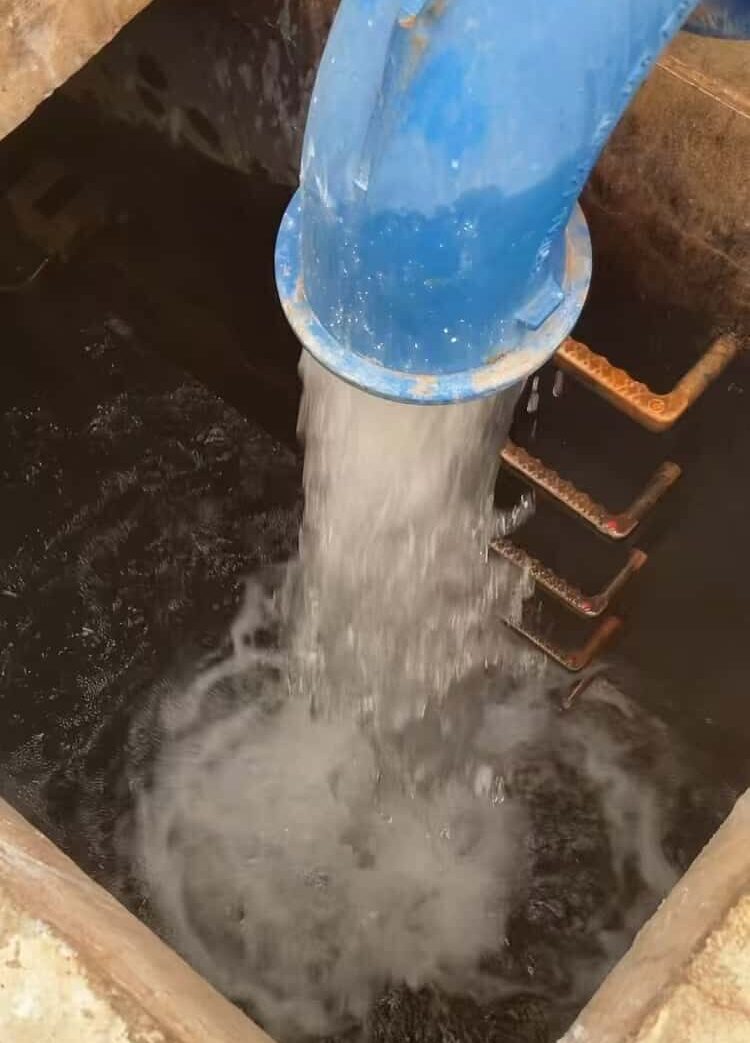
A remote water supply system normally pumps during the best solar window and stores water in a tank. The inverter becomes the main control point between PV energy and pump safety.
We check the full chain: panel voltage, MPPT range, pump motor current, total head, storage volume, cabinet protection and spare parts. That makes the system easier for local installers to maintain.
Off-grid village water supply
Remote farms and field stations
Deep well and borehole pumping
Tank-based daily water supply
Package Checklist
Remote projects need fewer surprises in the box
When the site is far from a supplier, missing sensors, terminals or spare parts can stop the project. We prepare the package around the field team.
View Kits and AccessoriesMatched Inverter or Controller
SP1, SP3, SP4, SP5 or SP6 depending on pump voltage, phase and field protection needs.
Pump and PV Array Check
Panel count, string voltage and pump current are checked before shipment.
Cabinet and Protection Devices
Cabinet, breakers, terminals and wiring labels reduce site assembly errors.
Sensors and Water Level Control
Float switch and dry-run protection support tank-based daily water supply.
Spare Parts for Remote Service
We can include connectors, cables, fans or small accessories for repeated projects.
Clear Installation Guidance
Parameters, wiring and fault-code support help local teams complete the install faster.
Village Operation Notes
Remote supply has a community operation layer
A village water point is usually checked by local staff, not a factory engineer. Clear indicators, safe wiring and a simple daily inspection routine matter.
Public Tap or Tank
We confirm whether the system fills a storage tank, supplies a school, feeds a clinic, or supports a public tap point.
Local Inspection Routine
Daily checks should be simple: panel condition, cabinet indicator, water level, outlet flow and visible cable damage.
Hand-Off Package
For public projects, we can prepare wiring labels, basic parameter notes and spare accessory suggestions for local maintenance.
Field References
Remote water projects with real system data
These cases show how a remote water supply project becomes a full system, not just a pump purchase.
Madagascar
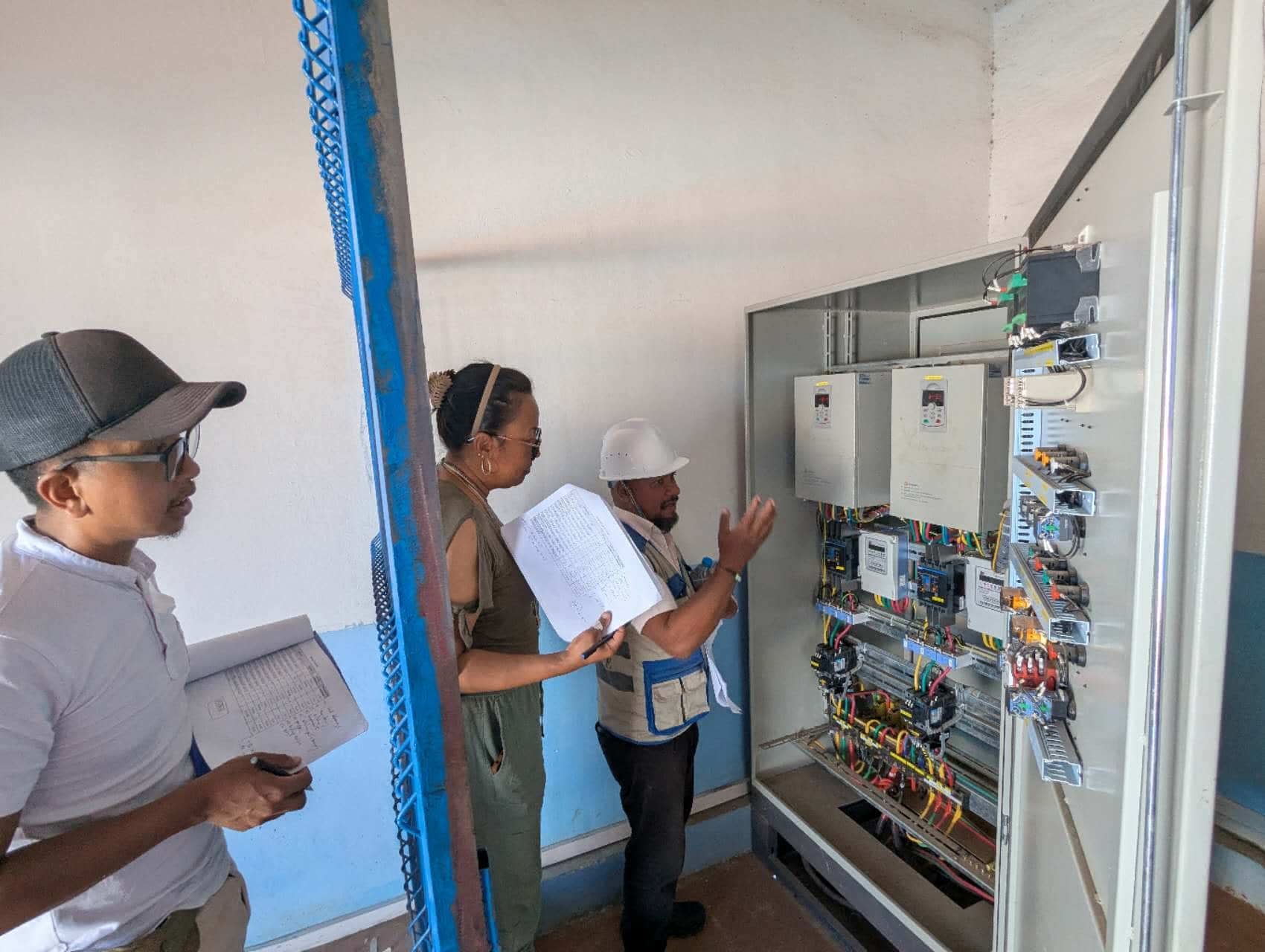
Remote community water supply package
The project includes SP4004-SP4090 inverter cabinets, 380V three-phase pump control, a 30HP pump reference and 84 x 585W panels across the system package.
Range
4kW-90kW
Cabinets
12 units
PV
84 x 585W
Mozambique
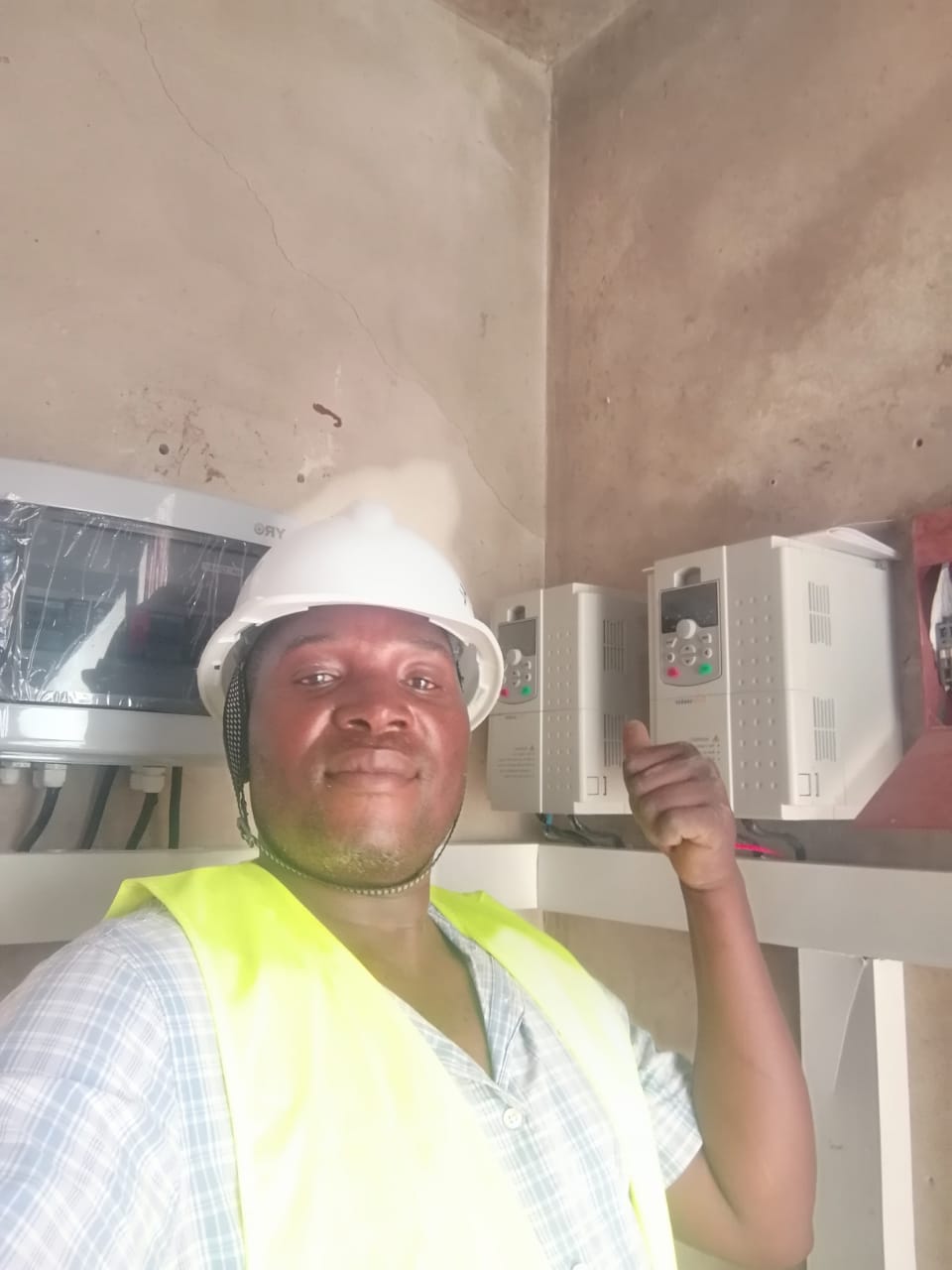
SP4011 for 5.5kW submersible well pump
The system uses an 11kW SP4011 inverter with a 5.5kW submersible pump and 26 x 550W panels wired as 13 panels in series across two strings.
Inverter
SP4011
Pump
5.5kW
PV
26 x 550W
Product Routing
Choose the equipment path from the pump and the site
Solar Pump Inverters
Use when the pump motor needs solar MPPT inverter control.
Open catalogSubmersible Well Pump
Use for well depth, head, flow and pump body selection.
Select pumpSolar Pump Cabinet
Use when wiring, protection and outdoor durability matter.
View cabinetAccessories and Kits
Use for sensors, cables, connectors, spares and packaged support.
View kitsFAQ
Remote water supply solar pump system FAQ
How does a remote solar water supply system work?
Panels power the inverter during sunlight hours. The inverter controls the pump, water is lifted to a tank, and the tank supplies users when pump output changes.
Can SolarSeeker supply a complete package?
Yes. We can support inverter, pump matching, cabinet, sensors, cables, connectors and spare parts based on the project list.
What pump data is needed?
Send voltage, phase, kW or HP, rated current, head, flow, well depth, cable distance, water storage target and project country.
Should remote systems use batteries?
Many remote water systems store water instead of electricity. Batteries are considered only when the site must pump at night or under special operating rules.
How do installers troubleshoot remote systems?
Clear wiring labels, cabinet layout, inverter fault codes and a spare-parts checklist make troubleshooting easier for local teams.
Next Step
Preparing a remote water supply project?
Send the pump nameplate, water source, tank target, well depth and project country. We will help match the inverter, pump and package list.