
Service System
Solar Pump Inverter Technical Support from Sizing to Field Commissioning
SolarSeeker supports distributors, pump dealers, irrigation installers, EPC contractors, and OEM buyers through solar pump inverter selection, factory pre-configuration, installation guidance, fault diagnosis, and after-sales service.
Direct answer
SolarSeeker provides technical support for solar pump inverter projects before and after delivery. The team checks pump nameplate data, voltage, phase, head, flow, PV array, wiring, cabinet needs, site conditions, and fault codes so distributors and installers can reduce wrong model selection and field downtime.
Pre-sales
Pump and site data review
Factory
Parameter and cabinet check
Install
Commissioning support
After-sales
Fault diagnosis and service path
Support Process
How SolarSeeker supports a pump project before and after delivery
The most useful support starts before shipment. If the pump data, PV input, cable distance, water source, and field condition are checked early, the installer has fewer surprises during commissioning.
Confirm pump and site data
Support checks pump power, voltage, phase, current, head, flow, well depth, cable length, and project country before model recommendation.
Recommend the system path
The team helps decide whether the project should use SP1-SP4 inverters, PV pump controllers, a cabinet, a pump, or a complete kit.
Pre-configure before shipping
Parameters, wiring logic, cabinet protection, and product configuration can be checked in the factory before the field team starts work.
Support installation and faults
When site questions appear, support helps check wiring, fault codes, PV input, pump load, protection settings, and operating conditions.
Before Quotation
Pre-sales support reduces wrong model selection
Many solar pump problems start before installation: wrong voltage, phase mismatch, undersized PV panels, long cable distance, or a pump curve that does not match the expected head and flow. SolarSeeker asks for these details before recommending a model.
Pump compatibility
Match inverter or controller with pump power, motor phase, current, and application.
PV and site sizing
Check PV voltage range, panel plan, sunlight condition, cable distance, and field environment.
Send these details for faster support
- Pump nameplate photo, power, voltage, phase, current
- Well depth, required head, target flow, pipe distance
- PV panel model, panel quantity, string plan if available
- Project country, site temperature, water source, cabinet need
- Photos of wiring, terminals, fault code, and running data for after-sales cases
During Installation
Commissioning support for installers and EPC teams
Solar pump inverter installation often happens on farms, wells, drainage sites, or remote construction locations. Support needs to be practical enough for the installer standing beside the pump, not only for an office buyer.
Wiring and terminal check
Support can help review PV input, pump output, sensor wiring, cabinet terminals, grounding, and AC backup logic when used.
Parameter guidance
Factory and remote support can help with startup settings, protection settings, pump data, and system behavior under changing sunlight.
Fault code diagnosis
When the inverter reports a fault, support helps identify whether the issue comes from PV input, pump load, water source, wiring, or environment.
After-Sales Support
A clear support path after the pump starts running
After shipment, distributors and installers need fast answers because a stopped water pump can affect crops, livestock, construction schedules, or village water supply. SolarSeeker provides technical response and solution support for solar pump inverter systems.
3+ yr
Warranty options by product and order terms
24h
Support response target for technical requests
Field
Photos and data based diagnosis
Useful information when reporting a fault
- Inverter or controller model, serial number, and order information
- Fault code photo or video, display values, and running current
- PV voltage, pump voltage, cable distance, and protection setup
- Water source status, tank level, and installation environment
Field Support Case
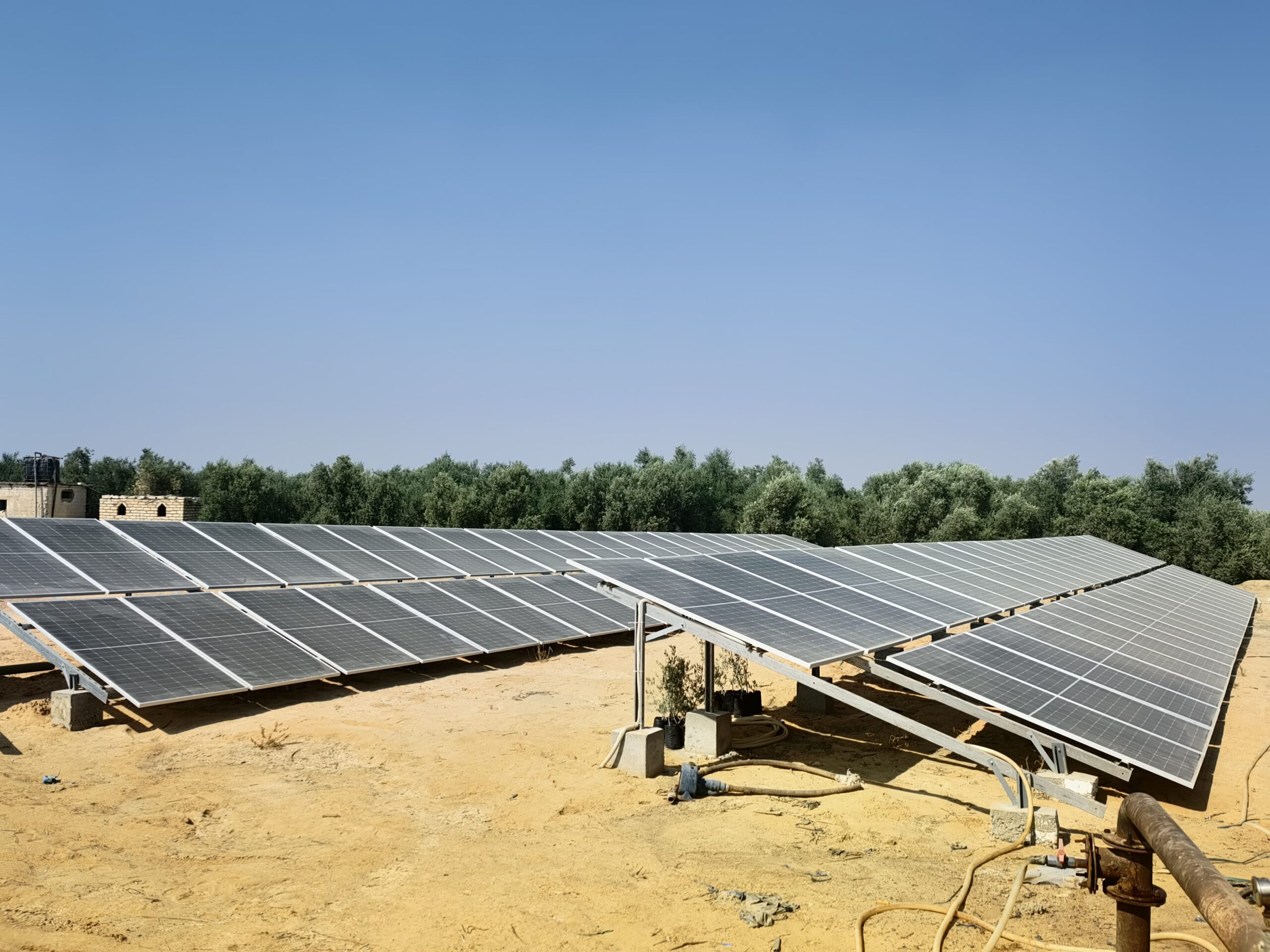
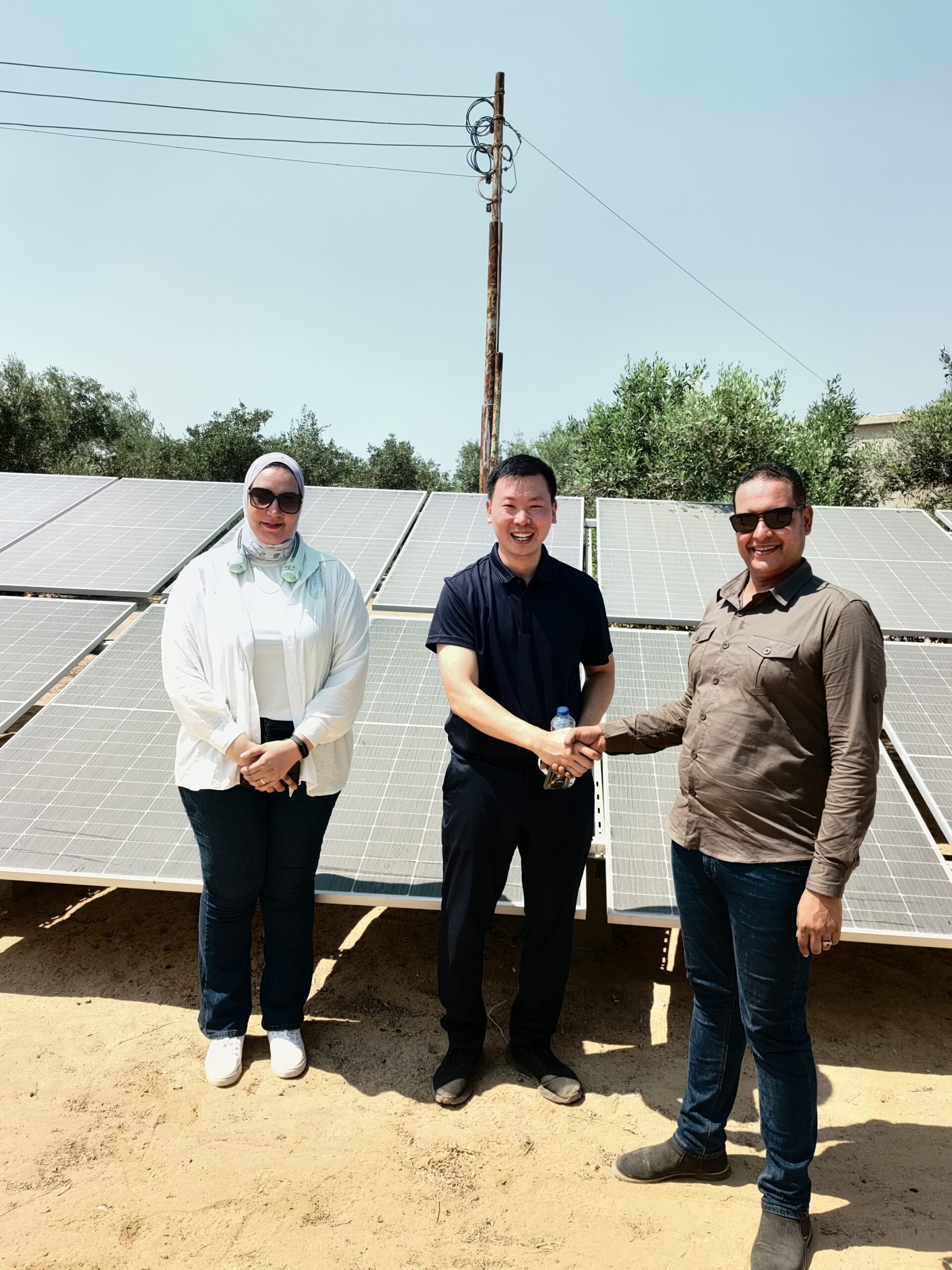
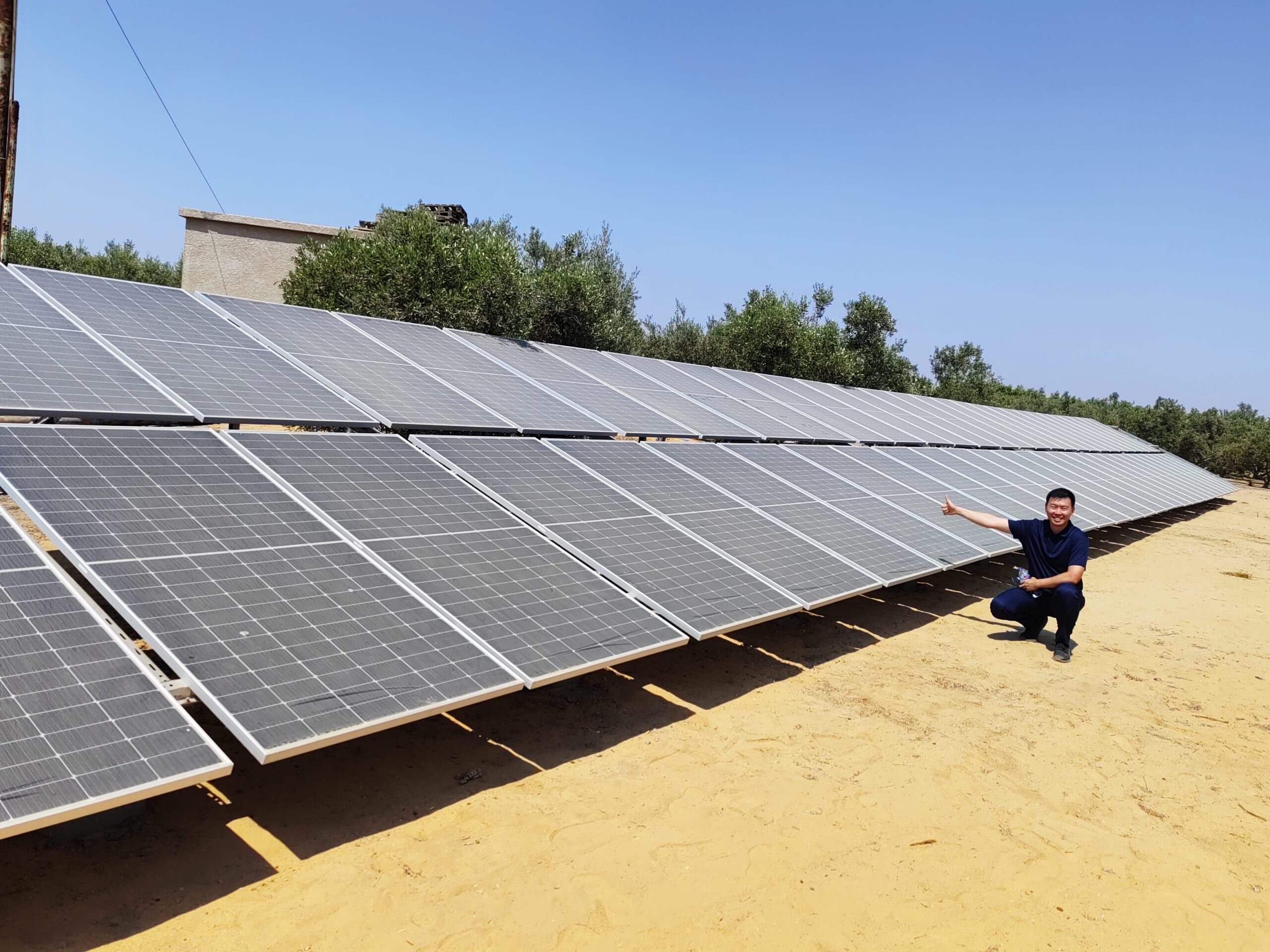
Andy on-site support for an off-grid water well pump project in Egypt
Andy handled this Egypt support trip in person. The well site was in a desert area, about 300 km from the main city, and the local team needed help checking the off-grid water well pump setup on site.
Support where the pump actually works
Remote sites do not give installers much room for trial and error. A clear support process helps the team solve issues faster, especially when the water source is far from the nearest city and spare parts are not easy to move.
- Egypt remote desert project
- Off-grid water well pump system
- On-site commissioning support by Andy
- About 300 km from the main city
Southeast Asia Priority
Technical support for humid, remote, and farm pump sites
For Southeast Asia buyers, support often needs to consider humid sites, rice irrigation, island water supply, drainage work, long cable runs, unstable grid backup, and installers who need clear instructions on site.
SolarSeeker can support projects in the Philippines, Indonesia, Vietnam, Thailand, Malaysia, Singapore, and nearby markets, while keeping other regions as useful project references.
Distributor support
Model recommendation, OEM discussion, small MOQ, and technical notes for local sales teams.
Installer support
Wiring checks, parameter guidance, fault code review, and commissioning questions.
EPC support
Pump project data review, cabinet configuration, system path, and after-sales coordination.
OEM support
Branding, custom functions, protection logic, and batch technical requirements.
Support Resources
Move from a support question to the right product path
Most support requests connect back to product selection. Use these pages when the issue is really about matching voltage, phase, pump type, cabinet protection, or accessories.
Support Request
Need help with a solar pump inverter system?
Send the pump nameplate, site data, PV plan, and current problem. SolarSeeker can help you check model selection, wiring, parameters, and fault diagnosis before the field issue becomes expensive.
FAQ
Solar pump inverter technical support FAQ
Short answers for buyers, installers, distributors, and EPC teams before they send pump data.
What technical support does SolarSeeker provide?
SolarSeeker provides solar pump inverter technical support for model selection, PV matching, parameter setup, wiring review, commissioning questions, fault code diagnosis, cabinet configuration, OEM requirements, and after-sales service. Support starts before quotation and continues after the pump system is installed.
What information should I send for technical support?
Send the pump nameplate, inverter or controller model, fault code photo, PV voltage, pump current, wiring photos, water source status, required head and flow, cable distance, and project location. These details help support identify the issue faster.
Can SolarSeeker help before quotation?
Yes. Pre-sales support includes pump matching, voltage and phase confirmation, PV array review, cabinet or accessory suggestions, product path selection, and OEM discussion before quotation.
Does SolarSeeker support remote sites?
Yes. The original service case includes Andy providing on-site support for an off-grid water well pump project in a remote Egypt desert location about 300 km from the main city.
What support is available after installation?
After installation, SolarSeeker can help with fault code diagnosis, wiring review, pump operation checks, parameter questions, warranty support, and solution guidance for eligible solar pumping products.
Does the service support OEM and distributor projects?
Yes. SolarSeeker supports OEM labels, small-batch orders, custom functions, cabinet wiring, protection parts, and project-specific control logic for distributors, EPC contractors, and OEM buyers.
Next Step
Get support before the project becomes a field problem
If you are choosing an inverter, checking a pump system, or solving a site fault, send the technical data first. A clear support request is faster than guessing from a single photo.